
Reality check for China's carmakers: quality inspection threatens sales
Beijing's nationwide quality check on Chinese-made cars could push buyers to the sidelines, deepening the auto sector's slump.
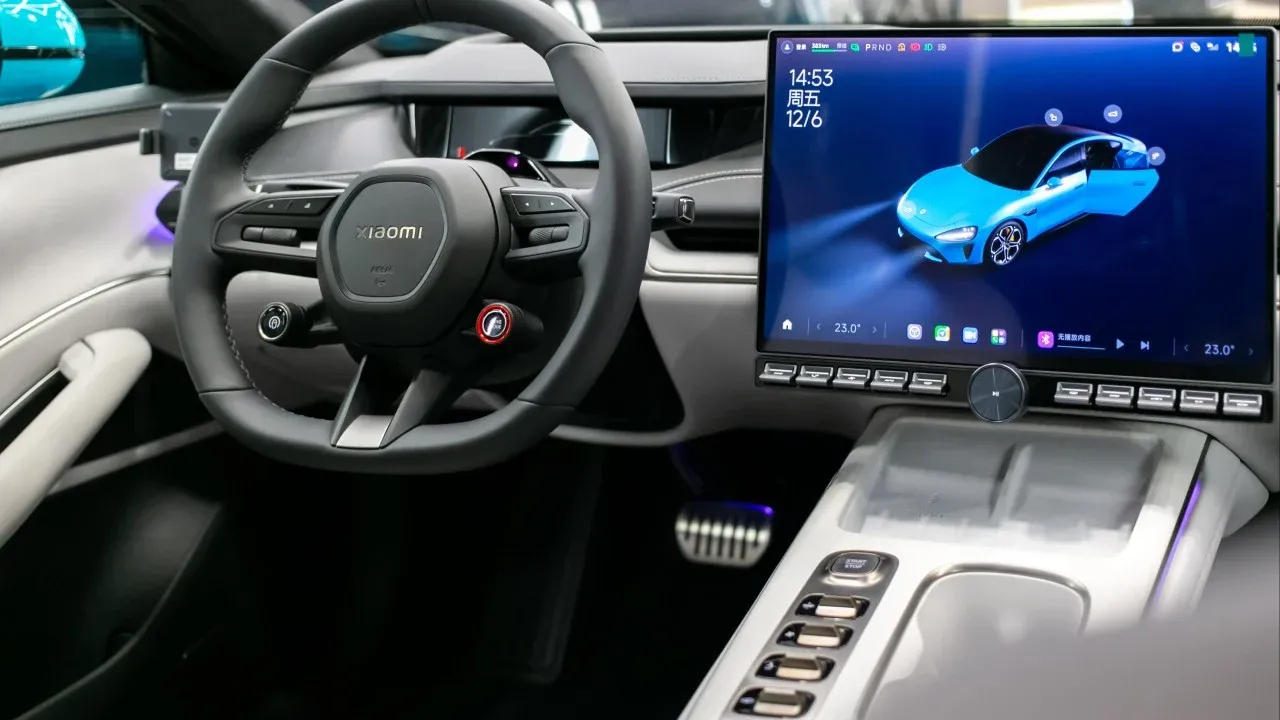
Vice-Minister Xin Guobin announced a nationwide inspection campaign this week to assess the quality of Chinese-made cars, a move that could prompt consumers to delay purchases. The campaign adds pressure to an already shrinking car market, where automakers have leaned on high-tech features to drive sales, and could accelerate a bearish outlook for the sector.
China's car market, already shrinking under the weight of a slowing economy and intense price competition, just got a fresh jolt. Vice-Minister Xin Guobin of the Ministry of Industry and Information Technology told a news conference in Beijing that a nationwide inspection campaign would assess the quality of Chinese-made cars. The announcement, made this week, is a direct response to the industry's heavy reliance on high-tech features to lure buyers-features that regulators now worry may be masking underlying quality problems. For consumers, the message is clear: hold off on that purchase until the results are in. Dealers and analysts said the campaign would likely push some buyers to shelve their plans, exacerbating an already bearish outlook for the sector.
The context is stark. China's auto market has been contracting for years, with sales volumes falling as the post-pandemic recovery fizzled and consumer confidence waned. In this environment, carmakers-both domestic giants like BYD and Geely and foreign joint ventures-have turned to technology as their primary selling point. Smart cockpits, advanced driver-assistance systems, over-the-air updates, and even semi-autonomous features have become the battleground for market share. The logic was simple: if you can't win on price or brand heritage, dazzle with digital bells and whistles. But the inspection campaign threatens to undermine that strategy. If the quality of these tech-laden vehicles is found wanting, the very features that were supposed to drive sales could become liabilities.
The regulatory rationale is straightforward. As vehicles become more software-defined, the line between a glitch and a safety hazard blurs. A faulty sensor or a buggy infotainment system isn't just an inconvenience-it can be a life-or-death issue. The government has been tightening standards across the industry, from battery safety to data security, and this inspection is the latest step in that broader push. By focusing on quality, Beijing is signaling that innovation cannot come at the expense of reliability. For carmakers, that means a recalibration of priorities: invest more in testing, validation, and after-sales support, even if it slows down the release of new models or trims the feature list.
The immediate impact will be felt most acutely by dealers. Showrooms across the country are already struggling with inventory backlogs and thinning margins. A consumer who decides to wait for inspection results is a consumer who isn't signing a contract this month. That could translate into even deeper discounts and more aggressive promotions, squeezing profitability further. For the broader market, the timing couldn't be worse. The industry was hoping for a second-half rebound, fueled by new model launches and government subsidies for electric vehicles. The inspection campaign injects a fresh dose of uncertainty, and uncertainty is the enemy of big-ticket purchases.
There's also a strategic dimension for foreign brands. The inspection covers all Chinese-made cars, which includes vehicles produced by joint ventures like Volkswagen, Toyota, and Tesla's Shanghai factory. For these companies, the campaign is a double-edged sword. On one hand, they have long marketed their quality and safety as a differentiator against domestic rivals. A rigorous inspection could validate that positioning. On the other hand, if any of their locally produced models are found deficient, the reputational damage could be severe, especially in a market where nationalism is increasingly shaping consumer choices. Domestic brands, meanwhile, face a different risk: they've been leading the tech charge, and a quality scandal could undo years of progress in building trust.
The inspection also raises questions about the pace of innovation. China's carmakers have been pushing the envelope on features like lidar, 5G connectivity, and even in-car AI assistants. Some of these technologies are so new that there are no established quality benchmarks. The inspection campaign may force the industry to slow down and define those benchmarks collaboratively, rather than racing ahead in a free-for-all. That could be a short-term drag on innovation, but a long-term win for the market's credibility. After all, a car that's packed with cutting-edge tech but breaks down in the first year is a car that will poison the well for everyone.
For investors and industry watchers, the key metric to watch is consumer sentiment. If the inspection results are largely positive, the market could stabilize quickly, with buyers reassured that the tech they're paying for is backed by solid quality. If the results are damning, the fallout could be significant, triggering a wave of recalls, warranty claims, and a shift in purchasing behavior toward more conservative, proven models. Either way, the era of using tech as a shield against quality concerns is over. The inspection is a reality check, and it's one that the industry-and its customers-will be watching closely in the months ahead.
This story's Key Insights and Take-aways are locked.
Create a free account to unlock Executive Actions for one credit.
Register to UnlockAlways free for Executives Club members. Join the Club
More in Business
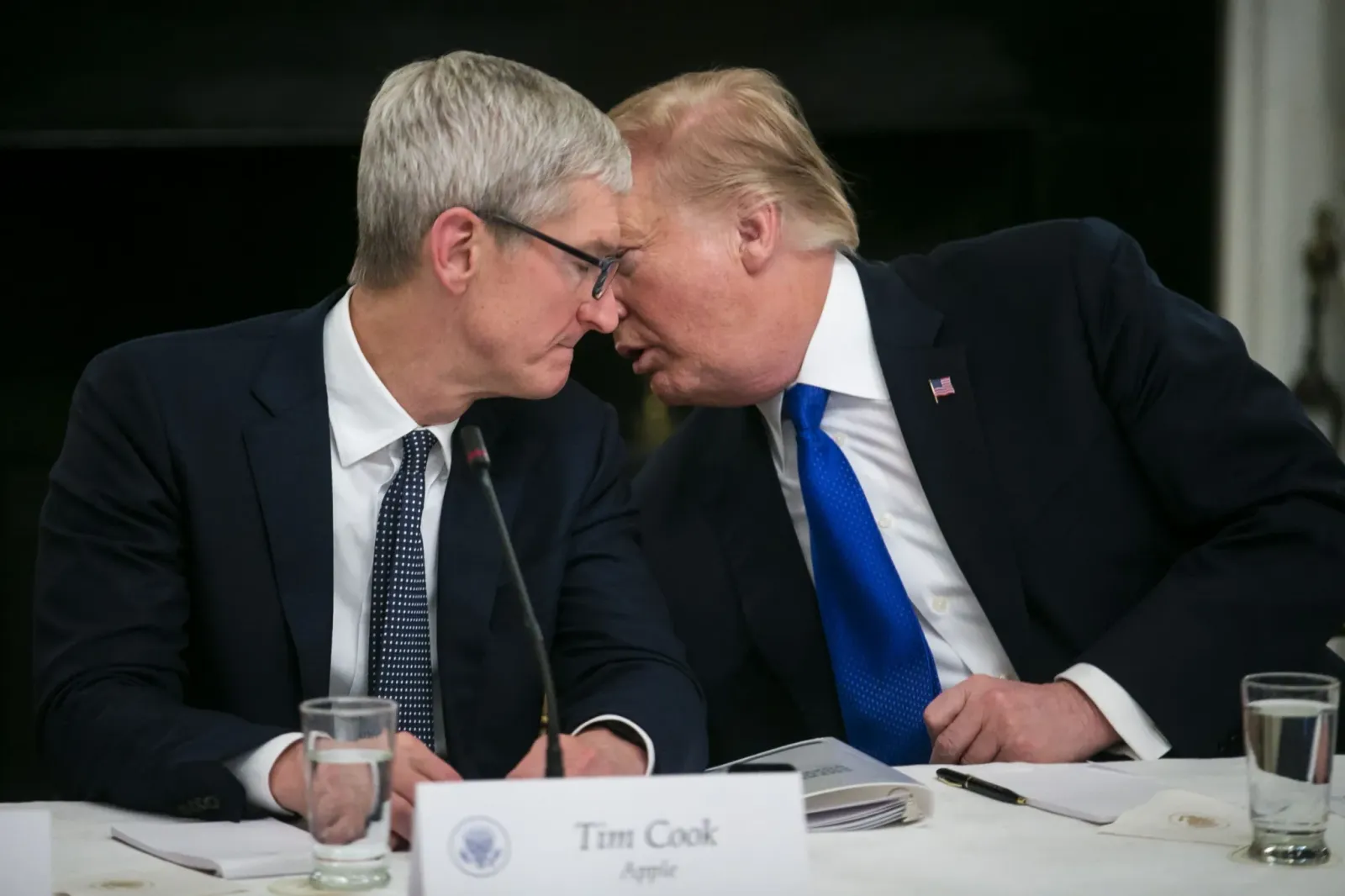
Tim Cook steps down as Apple CEO, stays on as chair with $45M equity
The 'Trump whisperer' keeps his White House and Beijing access as Apple navigates tariffs and a $4.6 trillion market cap.
Snowflake shares surge as AI data demand crushes estimates, lifting full-year forecast
Stocks jumped on stronger-than-expected guidance, signaling enterprise AI workloads are accelerating faster than Wall Street priced in.
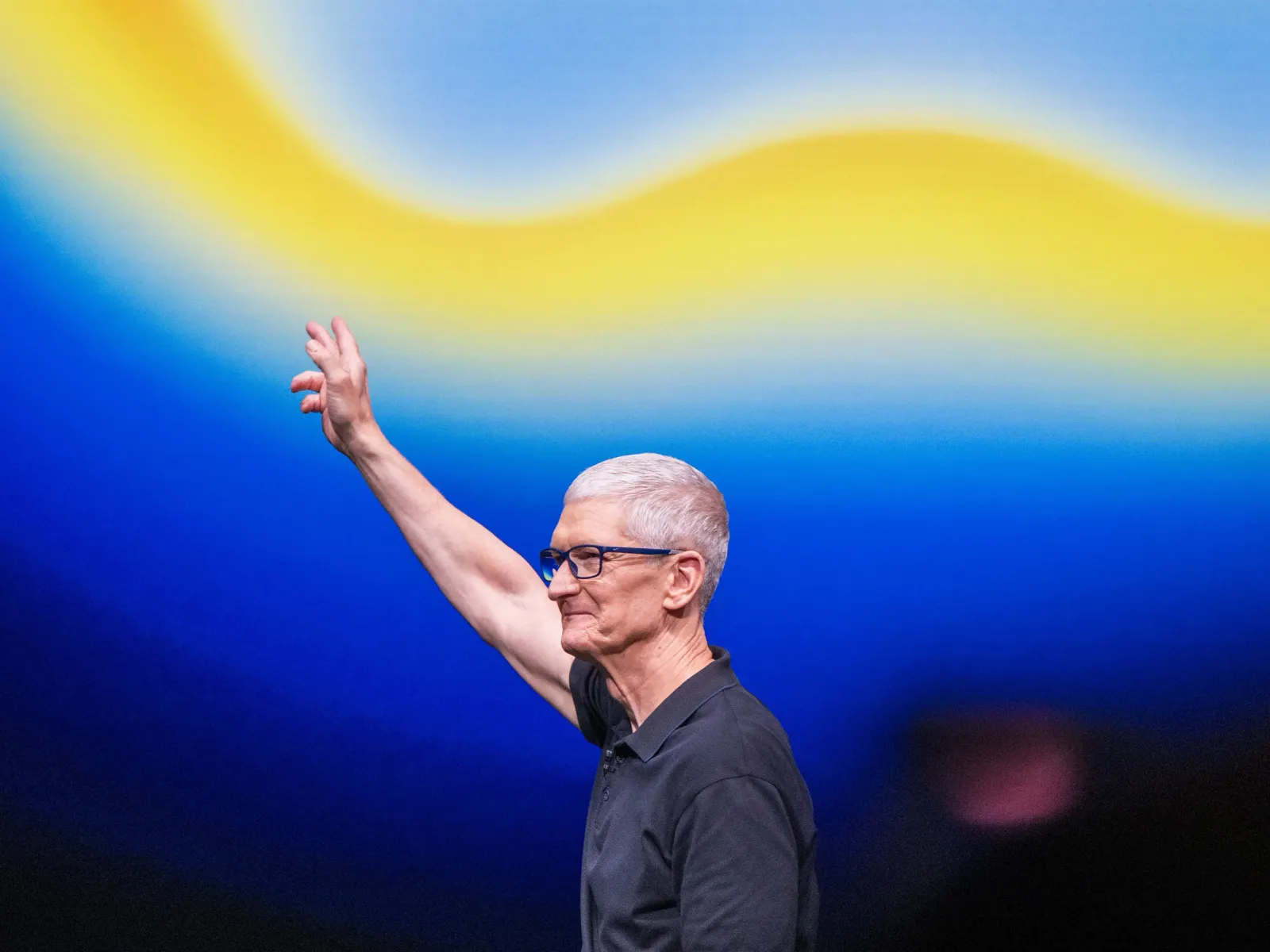
Tim Cook's 15-year Apple CEO run ends: 3 lessons for any successor
After 15 years, Tim Cook hands Apple to John Ternus - here's how he turned a $350B company into a $4.6T juggernaut.