

Retailers split on tariff refunds: lower prices or fatter margins?
Some retailers are passing tariff refunds to customers, while others are pocketing them - here's what it means for your wallet and their stocks.
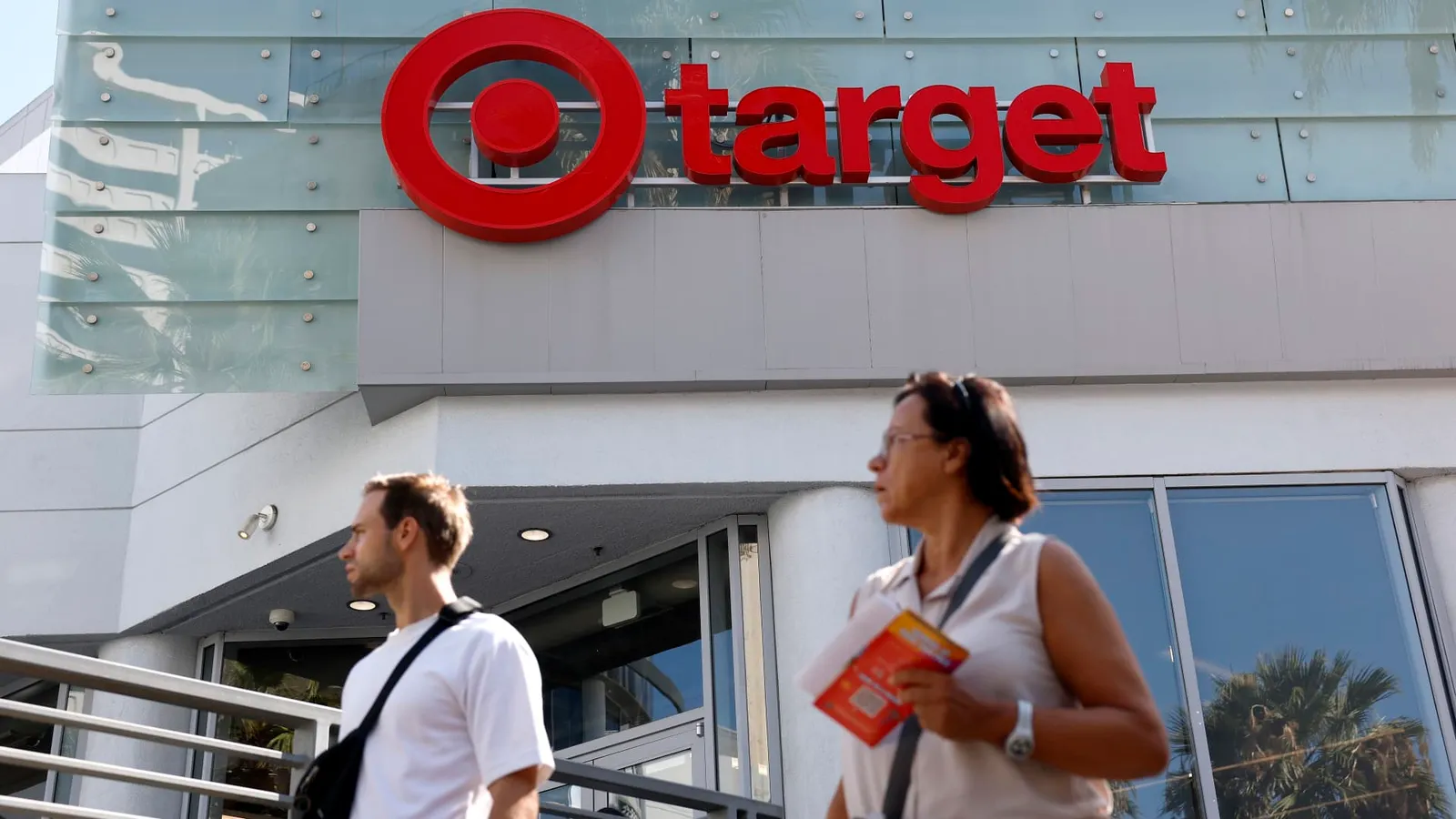
In their latest quarterly earnings, retailers have taken divergent approaches to reporting tariff refunds, with some cutting prices and others boosting profit margins. This split reveals different strategic priorities, and investors should watch which approach pays off as consumer spending remains under pressure.
Retailers are treating tariff refunds like a choose-your-own-adventure story this earnings season. Some are handing the windfall back to shoppers through lower prices, while others are quietly pocketing it as extra margin. The divergence is stark, and it's showing up in the numbers companies are reporting to Wall Street. For consumers, the difference is immediate: a retailer that lowers prices is effectively cutting the cost of goods, which could drive foot traffic and online orders. For investors, the margin boost is a direct hit to the bottom line, potentially lifting earnings per share. But the two strategies aren't mutually exclusive - some retailers might do a bit of both, depending on their competitive position.
Tariffs have been a persistent headache for retailers, squeezing margins on imported goods. When refunds arrive - whether from legal challenges, retroactive adjustments, or policy changes - they provide a rare opportunity to ease that pressure. How a company chooses to deploy that cash says a lot about its priorities. A retailer that lowers prices might be trying to win market share in a crowded field, especially if rivals are also cutting costs. Alternatively, a company with strong brand loyalty might feel less need to discount and instead use the refund to improve profitability. The choice also depends on the retailer's financial health - a company with thin margins might need the extra cushion, while a cash-rich player could afford to be generous.
For analysts, the treatment of refunds is a key question. If a retailer books the refund as a one-time gain, it could inflate earnings without reflecting ongoing operations. On the other hand, if it's spread over time or used to lower prices, the benefit might be more sustainable. Investors should dig into the footnotes to see how these refunds are being accounted for. The distinction matters because it affects the quality of earnings. A one-time boost might look good on a quarterly report, but it doesn't signal long-term strength. Conversely, a price cut that drives repeat purchases could have a lasting impact on revenue and customer loyalty.
The next few quarters will reveal which strategy pays off. If price cuts drive volume gains, retailers might see higher revenue even if margins stay flat. If margin boosts lead to better cash flow, companies could invest in new stores or e-commerce capabilities. Either way, the divergence is a reminder that there's no single 'right' way to handle a windfall. Retailers are also navigating shifting consumer behavior, with many shoppers trading down to cheaper alternatives or delaying big purchases. In that environment, a price cut could be a powerful tool. But it's a risky one if it signals a race to the bottom. Margin protection, meanwhile, might be more prudent in the short term, but it could leave a retailer vulnerable if competitors undercut them.
The choice also reflects the type of retailer. Discount chains and mass merchants often compete on price, so they might be more inclined to pass refunds along to maintain their value proposition. Specialty retailers or luxury brands, on the other hand, may prioritize margin preservation to protect their brand image and fund marketing or store experiences. The mix of products also matters - a retailer with a high proportion of imported goods might feel the tariff impact more acutely, making the refund a larger relative boost. That could influence whether they use it to offset other cost increases or to invest in growth initiatives.
From a broader perspective, the divergence highlights the tension between short-term profitability and long-term competitiveness. Retailers that lower prices are essentially betting that the increased volume will more than compensate for the lower per-unit profit. Those that keep the refund are betting that their current pricing is already competitive and that the extra margin will strengthen their balance sheet. Both approaches have merit, but they carry different risks. A price cut that fails to generate enough extra sales could hurt margins without a corresponding benefit. A margin boost that isn't reinvested could leave a retailer lagging behind more aggressive competitors.
Investors should also consider the timing. Tariff refunds are often unpredictable, and companies may not receive them on a regular schedule. That means a single quarter's earnings might not be indicative of future performance. Savvy investors will look at how management frames the refund in their guidance and whether they signal any ongoing benefit. If a retailer says the refund is a one-time event, it's probably wise to exclude it from valuation models. If they suggest it's part of a broader cost-reduction effort, it might be worth more attention.
Ultimately, the tariff refund divergence is more than a footnote in earnings reports - it's a window into how retailers are positioning themselves for the months ahead. Whether they choose to pass savings along or keep them, the decision will shape their competitive standing and their appeal to investors. As earnings season continues, expect more companies to reveal which path they've taken. For consumers, the immediate takeaway is to shop around - some retailers are offering effectively lower prices thanks to refunds, while others are holding the line. For investors, the key is to understand the strategy behind the numbers and to judge whether it aligns with the company's long-term goals.
This story's Key Insights and Take-aways are locked.
Create a free account to unlock Executive Actions for one credit.
Register to UnlockAlways free for Executives Club members. Join the Club
More in Business

Tim Cook steps down as Apple CEO, stays on as chair with $45M equity
The 'Trump whisperer' keeps his White House and Beijing access as Apple navigates tariffs and a $4.6 trillion market cap.

Snowflake shares surge as AI data demand crushes estimates, lifting full-year forecast
Stocks jumped on stronger-than-expected guidance, signaling enterprise AI workloads are accelerating faster than Wall Street priced in.

Tim Cook's 15-year Apple CEO run ends: 3 lessons for any successor
After 15 years, Tim Cook hands Apple to John Ternus - here's how he turned a $350B company into a $4.6T juggernaut.