

Rivian hits class action over early self-driving claims, accusing the tech never delivered
A lawsuit alleges Rivian’s early vehicles overstated self-driving capabilities, putting regulators and investors on alert.
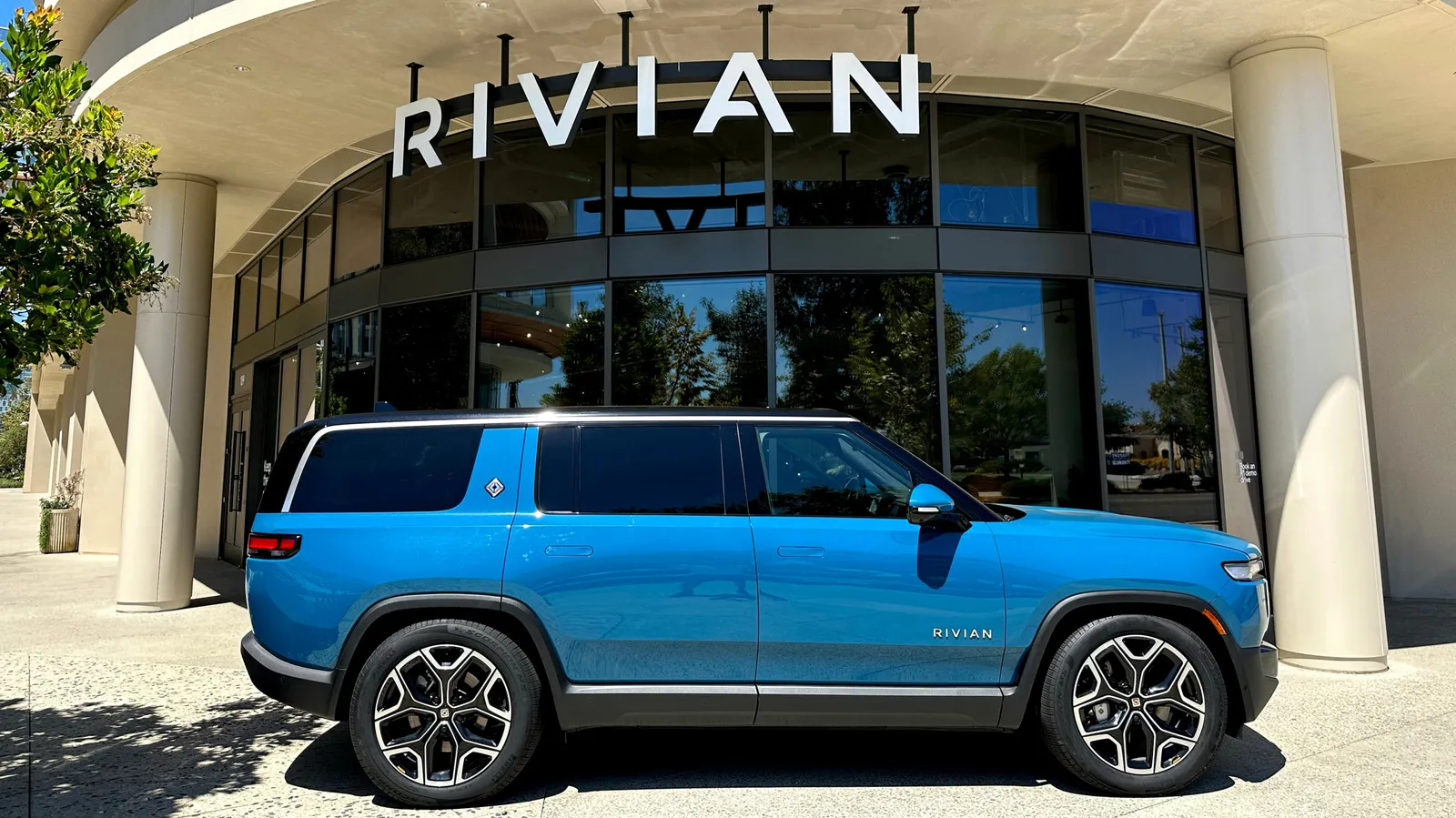
Rivian is facing a class action lawsuit tied to the self-driving capabilities of its early vehicles. The dispute is a reminder that autonomous features are not just product bets, they are legal and regulatory risk.
Rivian is facing a class action lawsuit over the self-driving capabilities of its early vehicles, or more specifically, over what the vehicles do not do. The complaint targets the gap between what drivers may have expected from “self-driving” related functionality and what early deployments allegedly deliver.
For decision-makers, the key point is simple: this is not a consumer complaint about taste or preference. It is a legal challenge built around the product narrative. When a company sells or markets a technology category as “self-driving,” even partially, the burden shifts from engineering alone to claims, disclosures, and how the real-world behavior of the system matches those promises.
To understand why this matters, you have to look at how self-driving marketing typically works in the market. Many automakers and mobility startups describe advanced driver-assistance features that may sound like autonomy, but function more like assistance. The difference is more than semantics. “Assisted” driving features can require driver supervision, periodic attention checks, and immediate human override. If customers interpret those capabilities as full self-driving, regulators, plaintiffs, and courts may treat the mismatch as a potential problem.
This lawsuit comes at a moment when the industry is trying to accelerate commercialization while the regulatory framework still catches up. Across regions, regulators have been steadily clarifying how automated driving systems should be evaluated, monitored, and disclosed. Companies are also being pushed to prove safety through tests, metrics, and incident reporting rather than broad claims. When the market outpaces the paperwork, the paperwork can catch up in court.
Rivian’s situation is especially notable because early vehicles are, by definition, the first real test of a company’s long-term promises. Early adopters are often the users most exposed to the uncertainty of evolving software. If a company’s initial deployments include limited autonomy, constrained operating conditions, or ongoing updates, then the question becomes: what exactly did customers think they were buying at the time of purchase? A class action is designed to answer that question at scale, not one angry driver at a time.
There is also a capital and governance angle here. Rivian, like other players in automotive and autonomy-adjacent tech, has to balance product roadmaps with investor expectations and real-world engineering constraints. Lawsuits like this can create additional costs, management attention drains, and potential liabilities that do not show up neatly in quarterly product metrics. Boards and senior executives often underestimate how fast a narrative risk can turn into a compliance and litigation risk, especially when the underlying category is “self-driving,” a phrase that carries a lot of consumer meaning.
Second-order implications are where executives should pay attention. If plaintiffs can plausibly argue that early vehicles fell short of claimed self-driving capabilities, it can pressure not only Rivian’s legal exposure but also how peers describe similar functionality across their own product lines. Even if other companies are technically different, the pattern can push the whole industry toward tighter marketing language, more explicit limitations, and more robust customer communications.
The strategic stakes are clear for anyone building, funding, or overseeing autonomous systems. Autonomous features are not just engineering features. They are commitments, and commitments are measurable in hindsight. A class action over early self-driving claims signals that the market’s tolerance for “almost” autonomy may be shrinking, and that executives should treat the gap between product reality and product perception as a risk surface, not an afterthought.
In plain terms: Rivian is being sued because of what customers allegedly expected versus what early self-driving capabilities allegedly provided. For decision-makers across the autonomy ecosystem, the message is that software-defined driving is still subject to real-world accountability, and courts can become part of the deployment timeline.
This story's Key Insights and Take-aways are locked.
Create a free account to unlock Executive Actions for one credit.
Register to UnlockAlways free for Executives Club members. Join the Club
More in Technology

Nvidia's $89B data center quarter: the 9 companies cashing in
The AI buildout is minting fortunes beyond GPUs, and memory, cloud, and cooling suppliers are riding the same wave.

Google quietly links your phone number to every Android account on your SIM
Adding a SIM now ties your phone number to all Google accounts - and future accounts inherit it. Here's the security and privacy stakes.

Hijacker AI 'Skynet mode' runs 100,000 attack steps against exposed models
Symantec caught a criminal AI agent that borrows other models, steals data, and mines crypto; the only relief is no confirmed victims yet.