

Rubio meets China’s foreign minister on Trump-Xi summit, avoids election interference claims
A high-stakes Washington meeting gets agenda time, but one explosive allegation stays off the table.

Secretary of State Marco Rubio met with China’s foreign minister to discuss a Washington summit involving President Trump and Xi. For decision-makers, the omission signals where U.S. officials want the conversation to start, and what they may be managing behind the scenes.
Secretary of State Marco Rubio spent much of a meeting with China’s foreign minister discussing the upcoming summit in Washington involving President Trump and Xi. In that same meeting, Rubio did not bring up President Trump’s claims that China interfered in the U.S. election.
That single detail is the whole story: during a diplomatic session focused on the summit, the most combustible topic in Trump’s worldview was left untouched. For U.S. watchers, it creates a meaningful puzzle about what the summit is meant to accomplish, and what it is not. If election interference claims are central to Trump’s political framing, why would the Secretary of State avoid them in a meeting meant to set terms for the highest-level encounter?
Diplomacy is not just speeches and photo ops, it is agenda control. Meetings like Rubio’s are often where sides test tone, establish priorities, and decide what topics can be used as leverage without derailing the entire process. By spending “much of” the meeting on the summit itself, Rubio signaled that this round of engagement is about process and preparation first, and confrontation second. The omission does not disprove Trump’s claims, and it does not mean they are gone. It does suggest the administration may be compartmentalizing issues so one dispute does not swallow the talks.
There is also a domestic optics angle. Rubio is the Secretary of State, a role that sits closer to formal negotiating channels and international protocols than to campaign rhetoric. When the top diplomat keeps a particular accusation off the agenda, it is often less about denying substance and more about protecting negotiating bandwidth. In Washington, these distinctions matter. It is the difference between starting with guardrails versus starting with a fight that cannot be settled in a single meeting.
For executives, this matters because U.S.-China policy is not confined to treaties and tariffs. It spills into export controls, sanctions risk, supply chain planning, and compliance culture. Even without changing any law in this specific meeting, the way officials choose what to raise can influence how businesses interpret near-term government posture. When senior officials focus on the summit logistics and do not foreground election interference, markets and boards often read it as a sign that de-escalation on certain trade or regulatory issues might be at least possible. That is not a guarantee. But it is exactly the kind of signal companies try to extract from a headline, because compliance teams need to know whether the risk environment is tightening or stabilizing.
There is a related regulatory logic here. Election interference claims are politically charged and can easily harden positions across agencies. Bringing them up in summit preparation could raise the temperature for a range of policy decisions, including those handled by departments that do not live on the same diplomatic calendar. Rubio’s approach, as described in the report, suggests he may be keeping the summit narrowly scoped, at least in the meeting in question. If the administration wants to negotiate discrete outcomes, it typically has to prevent every dispute from becoming an existential one.
The summit between Trump and Xi is already a high-stakes moment because it compresses complex bilateral tensions into a short window. In these situations, negotiators often prioritize items that can produce measurable outcomes, like frameworks for communication or pathways to manage disputes. Election interference, however, is not easily routable into a short-form diplomatic deliverable. That mismatch may be the point. Leaving it out could keep channels open for issues that can be packaged into a summit agenda, while saving the more difficult accusations for a different venue where the purpose is confrontation rather than compromise.
Second-order consequences show up on boards and executive committees. They are the teams that translate foreign policy into risk models: are there likely changes to trade enforcement, technology licensing, or targeted restrictions? When the Secretary of State avoids the allegation in a meeting focused on summit planning, that can be read as a preference for continuity over escalation in the immediate run-up. For companies operating near the edge of export compliance and geopolitical scrutiny, that nuance can affect everything from procurement timelines to legal review cycles.
None of this removes uncertainty. The report is clear only on one fact: Rubio spent much of the meeting on summit discussions and did not raise Trump’s election interference claims. But in governance, clarity is rare. What leaders can take from this is that the administration is actively managing the agenda. And in high-voltage U.S.-China relations, agenda management is itself a strategic decision.
If you are a CEO, CFO, or board member trying to plan in real time, the signal is not “everything is fine.” The signal is that the summit preparation may be structured to keep the talks moving. That choice can influence the risk environment you are budgeting for, especially in a world where regulatory posture can shift quickly when officials decide which topics belong at the center of the table.
This story's Key Insights and Take-aways are locked.
Create a free account to unlock Executive Actions for one credit.
Register to UnlockAlways free for Executives Club members. Join the Club
More in Politics
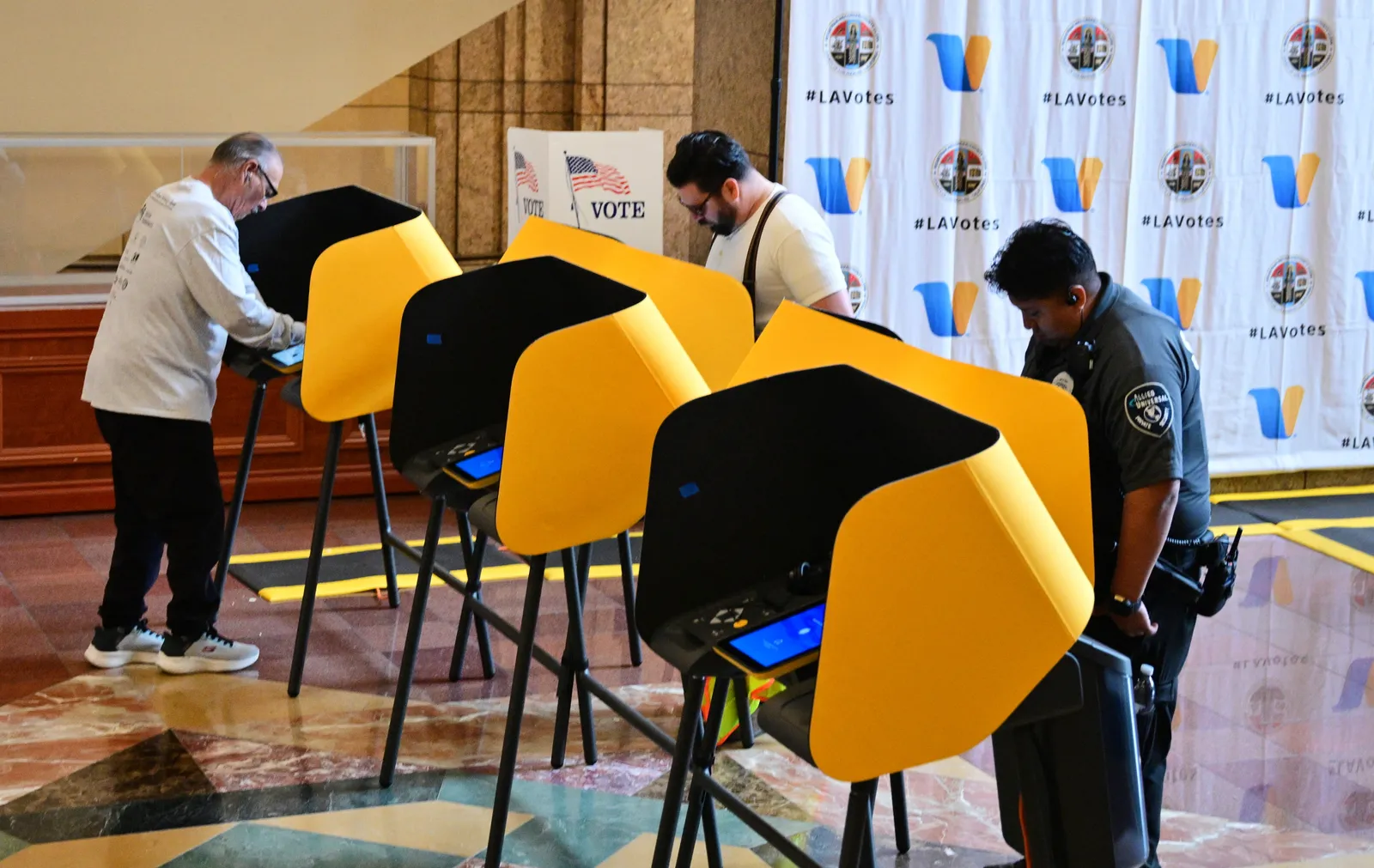
LA County: DOJ's 20,000 'noncitizen' voter list is 'unreliable,' includes U.S.-born
Preliminary review by Los Angeles County election officials finds errors in the federal list, raising the stakes for voter roll integrity ahead of November.
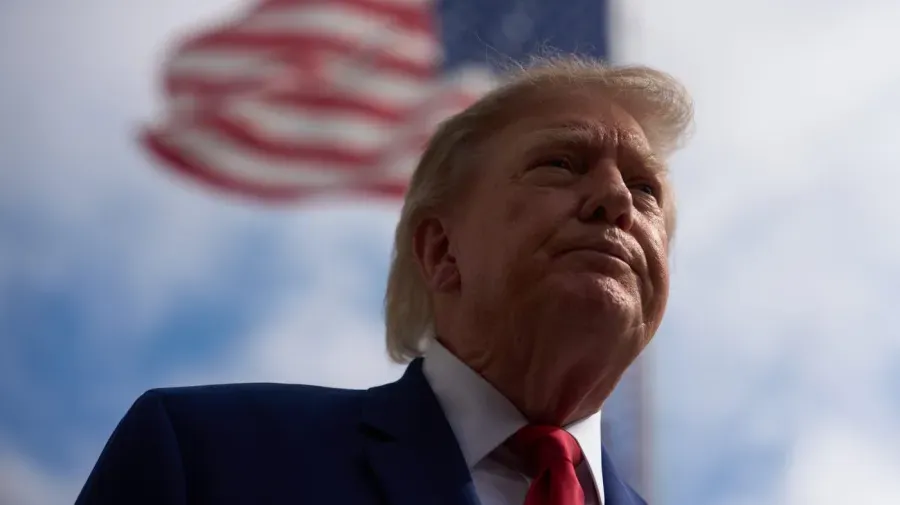
Trump's $1.5B Pentagon chip investment lands in North Carolina
A $1.5 billion defense infusion for North Carolina chipmaking signals a new era of Pentagon-backed reshoring - here's what it means for the industry.
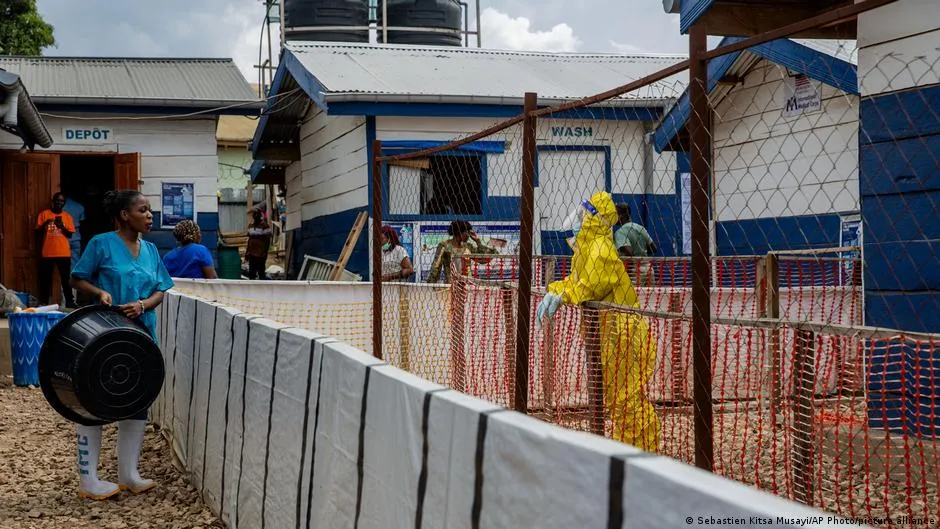
Nigeria confirms first Ebola case in Abuja, a woman just off a Uganda flight
Health Minister Muhammad Ali Pate says the patient flew in from Uganda, putting Africa's latest outbreak on Nigeria's doorstep.