
Russia hits Odesa fuel storage and a Mykolaiv tugboat, ratcheting Black Sea grain risk
Attacks on port fuel infrastructure and a military tug in Mykolaiv land as shipping tension spills into global grain markets.
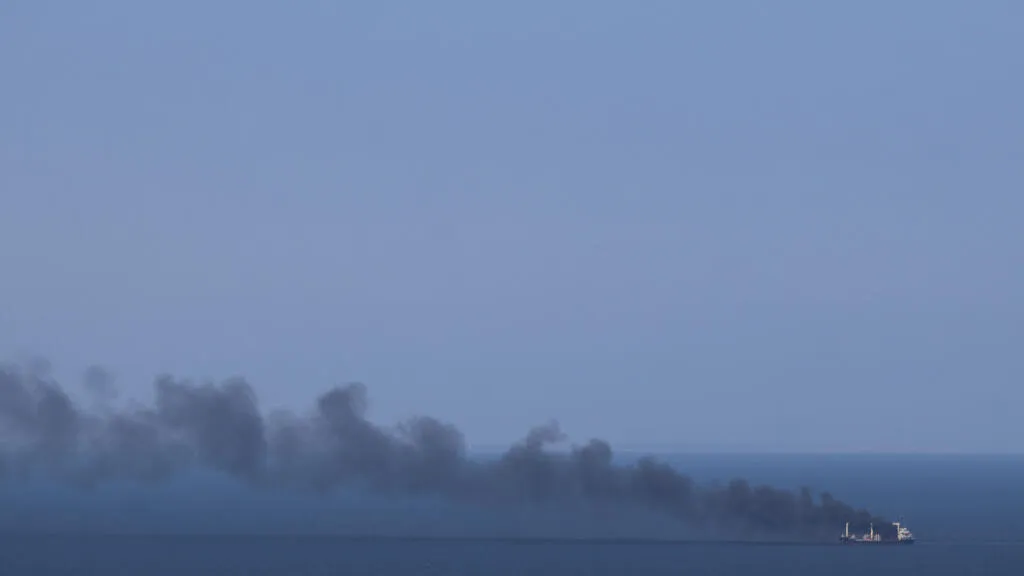
France 24 reports that Russia said on Saturday its forces struck fuel storage facilities in Odesa and a tugboat used by Ukrainian military forces in Mykolaiv. The move adds pressure to Black Sea shipping routes that have been under intensified attacks, with knock-on effects for grain pricing and supply planning worldwide.
Russia said on Saturday its forces struck fuel storage facilities in the Ukrainian port of Odesa and a tugboat used by the Ukrainian military in Mykolaiv. That is the immediate headline, and it matters because ports are not just places ships dock. They are the logistics brains of the operation, with fuel, tug support, and tightly coordinated schedules. When you hit fuel storage, you do not only target a physical site. You raise the odds of delays, rerouting, higher operating costs, and more fragile contingency planning.
At the same time, the location choices point to how the conflict is increasingly entangled with global commerce. Odesa is a key Black Sea port, and Mykolaiv sits in the same broader maritime logistics ecosystem. The source also makes clear that Russia and Ukraine have intensified attacks in recent weeks on Black Sea shipping routes. For executives and decision-makers, that is the real throughline: the threat environment is getting worse right when the world is trying to keep grain flows predictable.
Here is the context that tends to surprise people outside the markets. Grain may feel like a pure commodity story, but the supply chain is physical and timing-sensitive. Vessels need safe passage, port facilities need to be operational, and fuel and tow support have to be reliable. Even when an attack does not directly stop a specific shipment, it can change behavior. Shipping operators may adjust routes, increase insurance-related expenses, schedule buffers, or avoid certain windows. Port operators may shift staffing and safety procedures. That kind of operational friction tends to show up later as higher costs and weaker service levels, and then pricing reacts.
The source does not provide casualty figures or damage assessments. It does, however, specify the target categories: fuel storage facilities in Odesa and a tugboat used by Ukrainian military forces in Mykolaiv. Fuel storage is a pressure point because it underwrites broader port activity, from fueling vessels to supporting equipment that keeps cargo moving. A tugboat is smaller than a cargo ship, but tugs can be critical to safe maneuvering, especially in busy ports or under restrictive conditions. When you remove or impair support capacity, you can make normal turnaround times less dependable.
Why should boards care, even if they are not directly trading grain? Because the Black Sea is a pricing and expectations engine. When attacks intensify, the market does not wait for perfect information. It reprices risk fast. That can ripple into working capital needs for companies dependent on logistics, into procurement costs for food and feed users, and into inflation pressures that affect entire customer segments. It can also alter how exporters and importers structure contracts, including whether they demand more flexibility in shipping terms or seek compensation mechanisms for delays.
There is also a regulatory and policy layer that typically follows heightened maritime risk. While the source does not name specific sanctions, monitoring programs, or regulators, history shows that governments and shipping insurers often tighten scrutiny when conflict spills onto trade routes. That can mean more documentation requirements, more compliance checks on counterparties, and heightened risk scoring for vessels and routes. For executives managing trade operations, compliance is rarely a side project. It is a gatekeeper for whether supply arrangements can actually execute.
Zooming out, this sequence shows how military actions and commercial volatility reinforce each other. Russia frames the strikes as military action against Ukrainian assets. Ukraine and its partners, including commercial stakeholders in affected routes, respond by recalibrating security posture and operational planning. Meanwhile, global grain markets absorb the shock through higher uncertainty, which can lead to more volatile pricing and supply disruptions at the margins. The source explicitly notes that the intensified attacks on Black Sea shipping routes have rattled global grain markets, so the chain from local targeting to global financial impact is already established.
For peers in logistics, commodities adjacent roles, and broader operations leadership, the strategic stakes are straightforward. You cannot eliminate maritime risk from a boardroom, but you can harden decisions around it. That means stress-testing supply timelines, reviewing contingency plans for rerouting or delays, and understanding how rapid market repricing can affect cost assumptions. It also means tracking whether port infrastructure remains functional and whether route disruptions are episodic or turning into a sustained environment. When attacks target fuel storage and tug support in key maritime nodes, the question stops being “Will a shipment move?” and becomes “How stable is the system, and for how long?”
This story's Key Insights and Take-aways are locked.
Create a free account to unlock Executive Actions for one credit.
Register to UnlockAlways free for Executives Club members. Join the Club
More in Politics

LA County: DOJ's 20,000 'noncitizen' voter list is 'unreliable,' includes U.S.-born
Preliminary review by Los Angeles County election officials finds errors in the federal list, raising the stakes for voter roll integrity ahead of November.

Trump's $1.5B Pentagon chip investment lands in North Carolina
A $1.5 billion defense infusion for North Carolina chipmaking signals a new era of Pentagon-backed reshoring - here's what it means for the industry.

Nigeria confirms first Ebola case in Abuja, a woman just off a Uganda flight
Health Minister Muhammad Ali Pate says the patient flew in from Uganda, putting Africa's latest outbreak on Nigeria's doorstep.