

Samuel Samson pushes no-bid human-rights grants totaling $4.9M toward Europe right-wing groups
ProPublica reports State Department officials tried bypassing open competition to fund political causes in wealthy democracies.
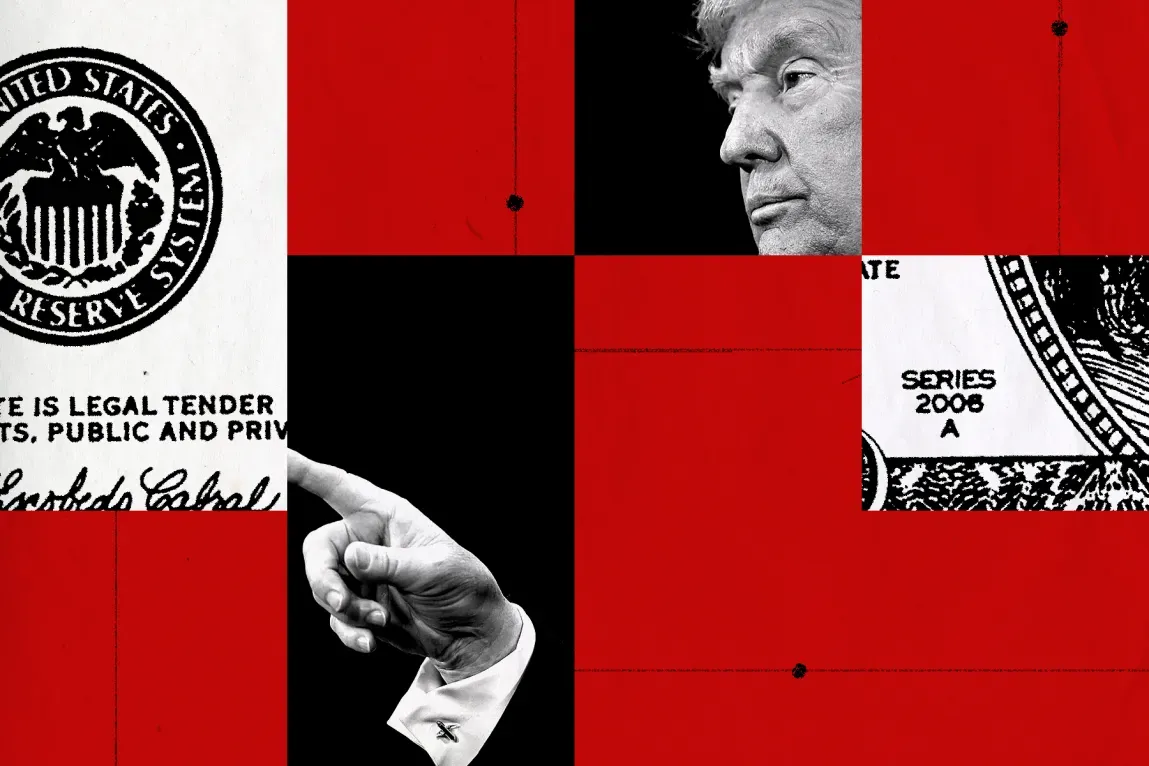
Samuel Samson, a 27-year-old deputy assistant secretary of state, is identified by ProPublica as a key figure behind proposed human-rights grants tied to European right-wing and white South African advocacy. The proposed approach, including a $4.9 million program, raises governance and influence concerns for lawmakers and anyone who depends on U.S. funding integrity.
A 27-year-old State Department official, Samuel Samson, is at the center of a proposed human-rights grantmaking plan that ProPublica says would bypass normal competition to fund political-adjacent causes in Europe. In particular, ProPublica reports at least a dozen grants would be awarded via no-bid or limited-bid paths, including a new $4.9 million competitive program aimed at “civilizational self-confidence in Europe,” slated for “research, conferences, cultural engagements, and support for civil society” in wealthy democracies. For decision-makers watching U.S. taxpayer dollars and the rules that keep them honest, this is the uncomfortable question: when “human rights” funding starts looking like ideological campaign support, who is accountable and on what basis?
According to ProPublica’s interviews and documents, Trump administration officials presented State Department workers with their own list of organizations that should be funded, rather than using the usual process. That process, for decades, has typically meant staffers with deep expertise reviewing detailed information on abuses under the most repressive regimes and then holding an open competition to fund groups to work in those countries. ProPublica says the proposed grants would mark a “stark departure” from that traditional model, which former State Department employees describe as focused on documenting and responding to abuses like torture, rape, and political violence.
One proposed example highlights the friction. ProPublica reports a grant call for proposals tied to “civilizational self-confidence in Europe,” with language that recipients should “not attempt to reform the legislative processes.” Even with that disclaimer, experts and lawmakers have expressed concern that the U.S. could be seeking to influence politics in allied countries. The same Western-nations emphasis shows up in another effort ProPublica describes: a grant the State Department had been working on for months to a fledgling British American think tank dedicated to “renewing our Judeo-Christian culture and civilisational mission.” After pushback from Congress, the State Department abandoned those plans in recent days.
ProPublica’s review also describes how the emphasis on Europe goes beyond vague cultural messaging. It points to a $5 million proposed no-bid grant to the Free Speech Union, a British organization founded in 2020 to counter “cancel culture.” The Free Speech Union has defended people accused of being transphobic and created a petition opposing the U.K.’s proposed ban on discredited therapy practices that attempt to convert gay people to heterosexuality. ProPublica notes it is unclear whether the grant would go to the British-based organization or its international offshoot. ProPublica also reports the grant’s intended uses, including combating “digital overregulation,” providing support for individuals facing “deplatforming,” and advocating against “restrictive online safety and hate speech laws,” based on a document reviewed by ProPublica.
Why would these proposals matter beyond Washington drama? Because, as ProPublica reports, scholars say U.S. government support can give groups a layer of legitimacy they might not otherwise have. That is exactly the kind of second-order effect that boards, nonprofits, and investors should care about: funding is not just money. It can reshape the political oxygen around an organization, help it recruit allies, and influence how mainstream institutions treat ideas that may otherwise remain fringe. In this case, ProPublica includes commentary from William Allchorn, a senior research fellow at Anglia Ruskin University and an expert on radical-right extremism in the United Kingdom, who said, “I’ve never before seen U.S. government funding for such groups. It’s crossing the Rubicon, isn’t it?” ProPublica also reports his view that these groups can intellectualize or sanitize radical-right ideas that then get taken up by parties in power.
The governance concern is not just ideology. It is process. ProPublica says strict agency rules have long required an open bidding process whenever possible to guard against waste, fraud, and abuse. The State Department is generally allowed to make awards directly to a single entity or to a small group of potential grantees only in rare instances, such as when only one organization is capable of the work or an emergency makes open competition impossible. ProPublica adds that the State Department has also used “sole-source” and “limited-source” awards that are not publicly announced in highly sensitive countries where openly working on human rights can be dangerous. But contracting experts and former staffers consulted by ProPublica say none of those justifications appear to apply here.
There is also the question of who chose the recipients. ProPublica reports that Trump officials handpicked the potential recipients, whereas decisions previously made by a panel of government experts evaluated applicants based on experience and qualifications. A former bureau staffer quoted by ProPublica said, “It’s not good governance to have political appointees give grants to individuals for unknown reasons.” Even more, directing awards to organizations in high-income countries complicates the justification process, because an internal waiver is typically required. ProPublica reports the State Department did not answer when asked whether it had sought waivers for grants to high-income countries.
The stakes for lawmakers are immediate, and for peers it is a warning sign about where similar programs could drift. ProPublica reports that during private briefings this month, members of Congress expressed concern over both the list of potential recipients and the plan to award no-bid or limited-bid grants. In response, the State Department sent a short written response saying “programs are still in active deliberation and receipt of a grant is not guaranteed to any organization that does not meet all requirement and standards for federal grants,” and a named official stressed that multiple offices provide input and that the administration has “serious concerns about the human rights situation in South Africa that need to be addressed.” Meanwhile, Sen. Jeanne Shaheen, the ranking member of the Senate Committee on Foreign Relations, told ProPublica that Congress expects the State Department “to invest resources to advance human rights, democratic institutions, civil society, freedom of expression and worker rights,” and called the proposals “an appalling departure from that practice and an affront to our democratic allies.” She added, “These awards suggest that the Department intends to select awardees for federal funding based on their political ideology,” not taxpayers or national security.
If you run a foundation, a think tank, an NGO partnership, or any organization that lives and dies by grant credibility, the lesson is blunt: process controls legitimacy. When grantmaking appears to be shaped by political ideology and bypasses open competition, the second-order impact is a loss of trust that can follow the funded organizations long after the money is spent.
This story's Key Insights and Take-aways are locked.
Create a free account to unlock Executive Actions for one credit.
Register to UnlockAlways free for Executives Club members. Join the Club
More in Politics
LA County: DOJ's 20,000 'noncitizen' voter list is 'unreliable,' includes U.S.-born
Preliminary review by Los Angeles County election officials finds errors in the federal list, raising the stakes for voter roll integrity ahead of November.
Trump's $1.5B Pentagon chip investment lands in North Carolina
A $1.5 billion defense infusion for North Carolina chipmaking signals a new era of Pentagon-backed reshoring - here's what it means for the industry.
Nigeria confirms first Ebola case in Abuja, a woman just off a Uganda flight
Health Minister Muhammad Ali Pate says the patient flew in from Uganda, putting Africa's latest outbreak on Nigeria's doorstep.