
San Francisco Democrats reject billionaire tax in 17-4 vote, splitting the left
The November ballot measure pits revenue against exodus risk, and even Nancy Pelosi won't endorse it.
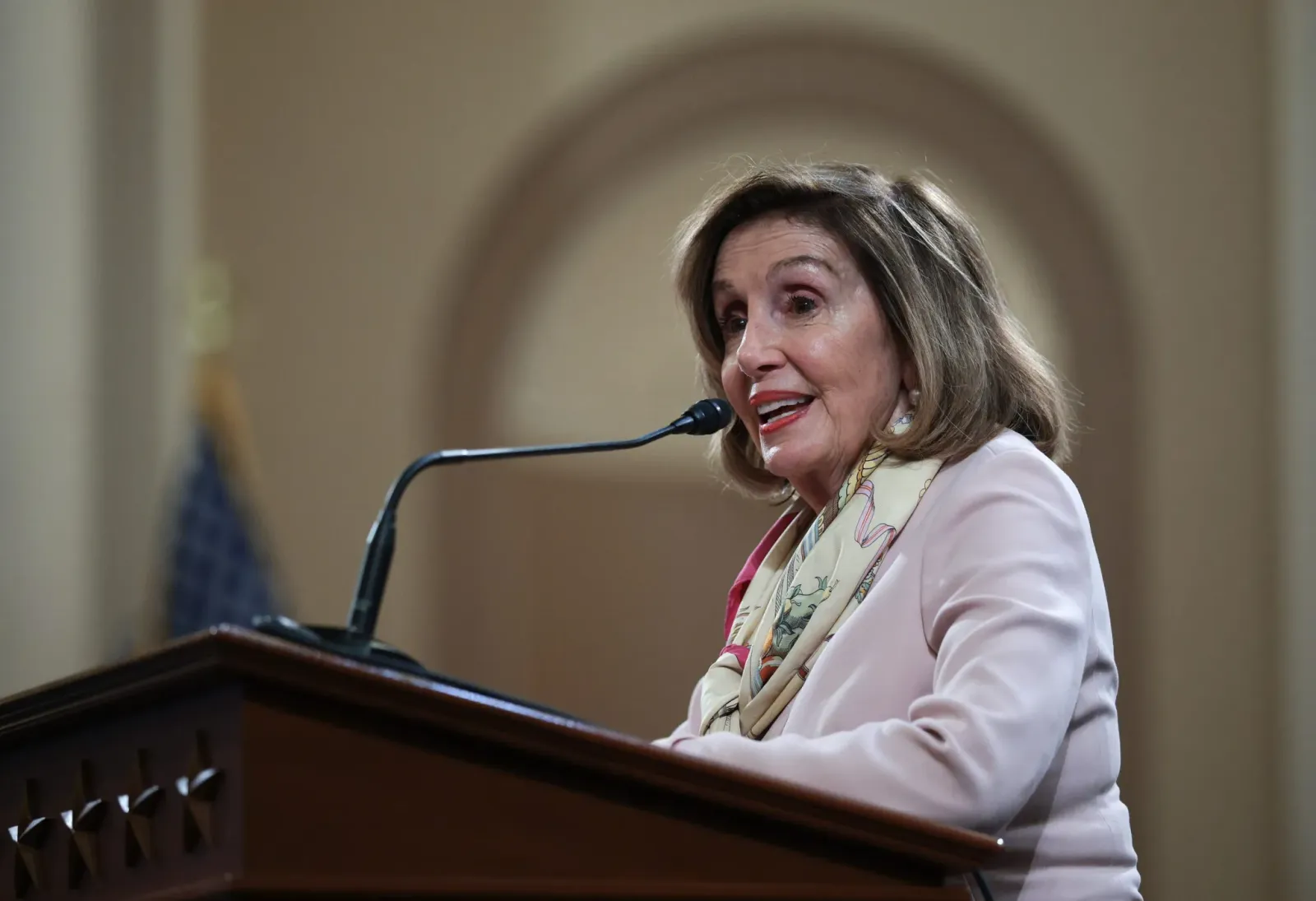
San Francisco Democrats voted 17-4 to oppose California's Proposition 40 billionaire wealth tax, breaking with their statewide party. The split exposes a growing left-wing divide over taxing extreme wealth and its economic consequences.
San Francisco Democrats just threw a wrench into California's billionaire tax push. In a lopsided 17-4 vote - with five abstentions, five absent, and one no endorsement - the local party formally opposed Proposition 40, breaking with the California Democratic Party that endorsed the measure in August after a contentious vote that cleared the 60% threshold. Even Nancy Pelosi chose not to endorse the proposal. The vote is the clearest signal yet that the left is deeply split on whether taxing extreme wealth is worth the economic fallout, and it lands just weeks before the November ballot decides the fate of the one-time 5% net worth tax on billionaires who were California residents on January 1, 2026. About 200 billionaires hold over $2 trillion in total assets, and the state's Legislative Analyst's Office estimates the measure could generate tens of billions of dollars in temporary revenue over several years - but that revenue comes with a catch: billionaires might simply leave. Six have already ended their California residency ahead of the January 1 deadline, and the state's own analysts warn that behavioral responses could reduce ongoing income-tax revenue by less than $1 billion annually, plus tens of millions in administrative costs. The revenue potential is the central thesis for Prop 40's supporters, including SEIU-United Healthcare Workers West, which placed the initiative on the ballot, along with the California Labor Federation, the Teamsters, and progressive politicians like Representative Ro Khanna and Senator Bernie Sanders. A UC Berkeley Institute of Governmental Studies poll shows 48% of potential voters support the tax versus 41% opposed. But the opposition is not just from the right. Governor Gavin Newsom has openly said he's voting no, as has gubernatorial candidate Xavier Becerra. And the ultrawealthy are not just looking to leave - they're funding counter-measures. Billionaire-backed Propositions 41 and 42 would effectively void the billionaire tax: Prop 41 would require state audits of programs funded by new special taxes, making it harder to use the funds, while Prop 42 would outlaw retroactive taxation, directly killing Prop 40. Ripple co-founder Chris Larsen gave an extra $10 million, and Google co-founder Sergey Brin and former Google CEO Eric Schmidt have contributed over $118 million in total. The fight has turned personal. Khanna, a Silicon Valley Democrat and one of Prop 40's most prominent supporters, took to X to propose a mechanism where founders could pledge shares to the state and receive a nonrecourse government loan to pay the tax. That sparked a grudge match with Mark Cuban and Anduril Industries founder Palmer Luckey. Cuban, who has been vocal on the issue, wrote on X that a unique feature of these 10b startups is that even if they raise a billion, little, if any of that money goes to the founders, who are now worth billions of dollars overnight. They are the definition of cash poor, stock rich. That dynamic is exactly why San Francisco Democrats broke ranks. The local party changed its bylaws earlier this summer to allow it to depart from California Democratic Party endorsements, and Prop 40 became the only statewide ballot proposition on its agenda - coming back 17-4. The split is broader than San Francisco, but the city's concentration of tech wealth makes it ground zero for the debate. For executives and boards watching from any state, the lesson is clear: wealth taxes are not just a revenue tool, they are a retention risk. When a state's most productive residents can relocate, the tax base becomes a negotiation, not a given. The November vote will test whether voters prioritize healthcare funding - 90% of the revenue goes to healthcare services - over the risk of driving out the very people who fund the state's existing budget. For founders and investors, the stakes are existential: if Prop 40 passes, their net worth becomes a liability, and the counter-measures on the same ballot will decide whether that liability survives. The San Francisco Democratic Party's 17-4 vote is a warning shot that even the left's base is not united on this. The outcome in November will ripple far beyond California, setting a precedent for every state eyeing billionaire wealth as a piggy bank.
This story's Key Insights and Take-aways are locked.
Create a free account to unlock Executive Actions for one credit.
Register to UnlockAlways free for Executives Club members. Join the Club
More in Business

Tim Cook steps down as Apple CEO, stays on as chair with $45M equity
The 'Trump whisperer' keeps his White House and Beijing access as Apple navigates tariffs and a $4.6 trillion market cap.

Snowflake shares surge as AI data demand crushes estimates, lifting full-year forecast
Stocks jumped on stronger-than-expected guidance, signaling enterprise AI workloads are accelerating faster than Wall Street priced in.

Tim Cook's 15-year Apple CEO run ends: 3 lessons for any successor
After 15 years, Tim Cook hands Apple to John Ternus - here's how he turned a $350B company into a $4.6T juggernaut.