
Saudi citizen stabbed in Mayfair: embassy monitoring, London attack under scrutiny
A Saudi national is hospitalized after a stabbing in London's Mayfair district, with the Saudi Embassy closely tracking his condition and police investigating.

The Saudi Embassy in London is closely monitoring the condition of a Saudi citizen stabbed in Mayfair, a high-end London district. The incident raises security and diplomatic concerns for Saudi nationals abroad and for high-net-worth visitors to London.
A Saudi citizen is in hospital after being stabbed in Mayfair, one of London's most exclusive districts, with the Saudi Embassy in London saying it is closely monitoring his condition. The attack, reported by Asharq Al-Awsat, has put a spotlight on the safety of wealthy international visitors and the diplomatic machinery that swings into action when one of them is harmed abroad. For executives and investors who move between Riyadh, London, and other global hubs, the incident is a reminder that even the most polished postcodes are not immune to violent crime, and that consular response times and protocols matter when things go wrong.
The Saudi Embassy's statement, as carried by Asharq Al-Awsat, confirmed that it is following the citizen's case closely and is in contact with the relevant British authorities. The embassy did not name the victim, provide details of his injuries, or specify the circumstances of the stabbing, but the location alone is significant. Mayfair is not just any London neighborhood; it is the heart of the city's ultra-prime real estate market, home to hedge funds, art galleries, five-star hotels, and the kind of discreet townhouses where Gulf nationals and global billionaires park their money and their weekends. A stabbing there sends a signal that reverberates far beyond the immediate crime scene.
For the Saudi government, the welfare of its citizens abroad is a matter of national pride and soft power. The Kingdom has invested heavily in consular services in recent years, expanding its embassy networks and streamlining emergency response for Saudis traveling or living overseas. The Mayfair stabbing will test those systems in real time. The embassy's public statement, brief as it is, serves multiple purposes: it reassures the victim's family, signals to the Saudi public that the state is engaged, and reminds the British government that Riyadh is watching how the case is handled. Diplomatic pressure, even when applied quietly, can shape how quickly police investigations progress and how seriously they are taken.
For London, the incident is an unwelcome data point in a broader conversation about violent crime in the capital. While stabbings in central London have declined from their peaks in previous years, knife crime remains a persistent political issue, and incidents in wealthy areas attract outsized media attention precisely because they are rare. The Mayfair attack will likely be cited by both sides of the debate: those arguing that crime is a citywide problem that no neighborhood can escape, and those arguing that the police need to do more to protect the commercial and diplomatic districts that drive London's global status. For businesses in the area, from luxury retailers to private banks, the optics of a stabbing outside their doors are uncomfortable, even if the statistical risk to their clients remains low.
The broader context is the deep and growing relationship between Saudi Arabia and the United Kingdom. The two countries have long had intertwined business interests, from arms deals to energy investments, and London has historically been a favored destination for Saudi tourists, students, and investors. The Saudi government has encouraged its citizens to travel and study abroad as part of its Vision 2030 diversification push, which means more Saudis are spending more time in Western capitals than ever before. Each consular incident, whether a lost passport or a violent attack, becomes a test of whether those citizens are protected and whether the bilateral relationship delivers tangible benefits for ordinary people, not just for elites.
For executives and boards, the practical takeaways are straightforward. Companies with employees traveling to high-profile urban centers should review their security protocols and ensure they have clear lines of communication with local embassies and consulates. The Saudi Embassy's response in this case, while still unfolding, demonstrates the importance of having a designated point of contact who can act quickly when a citizen is in distress. For multinational firms with Saudi staff or clients, the incident is also a reminder that consular affairs are not just government business; they are a risk factor that can affect operations, reputations, and duty-of-care obligations.
The investigation itself will be watched closely. British police have not yet released details about a suspect, a motive, or whether the attack was targeted or random. Those answers will determine how the story is framed: a random act of violence in a wealthy neighborhood, or a targeted attack on a Saudi national with diplomatic implications. Until then, the Saudi Embassy's measured public stance, combined with its promise of close monitoring, is the only official signal available. For the victim and his family, the priority is medical care and recovery. For everyone else, the incident is a sharp reminder that global mobility carries risks, and that the institutions built to manage those risks, from embassies to police forces, are only as good as their response when the worst happens.
The coming days will reveal more about the attack, but the immediate lesson is already clear. In a world where capital and talent move across borders at unprecedented speed, the safety of individuals is the foundation on which all other international activity rests. A stabbing in Mayfair is a small event in the grand scale of global affairs, but it touches on everything from diplomatic relations to corporate duty of care to the perceived safety of London as a destination for the world's wealthy. For the Saudi Embassy, the priority is the citizen in the hospital. For the rest of us, the priority is understanding what the incident says about the world we operate in, and how we prepare for the moments when it turns violent.
This story's Key Insights and Take-aways are locked.
Create a free account to unlock Executive Actions for one credit.
Register to UnlockAlways free for Executives Club members. Join the Club
More in Business
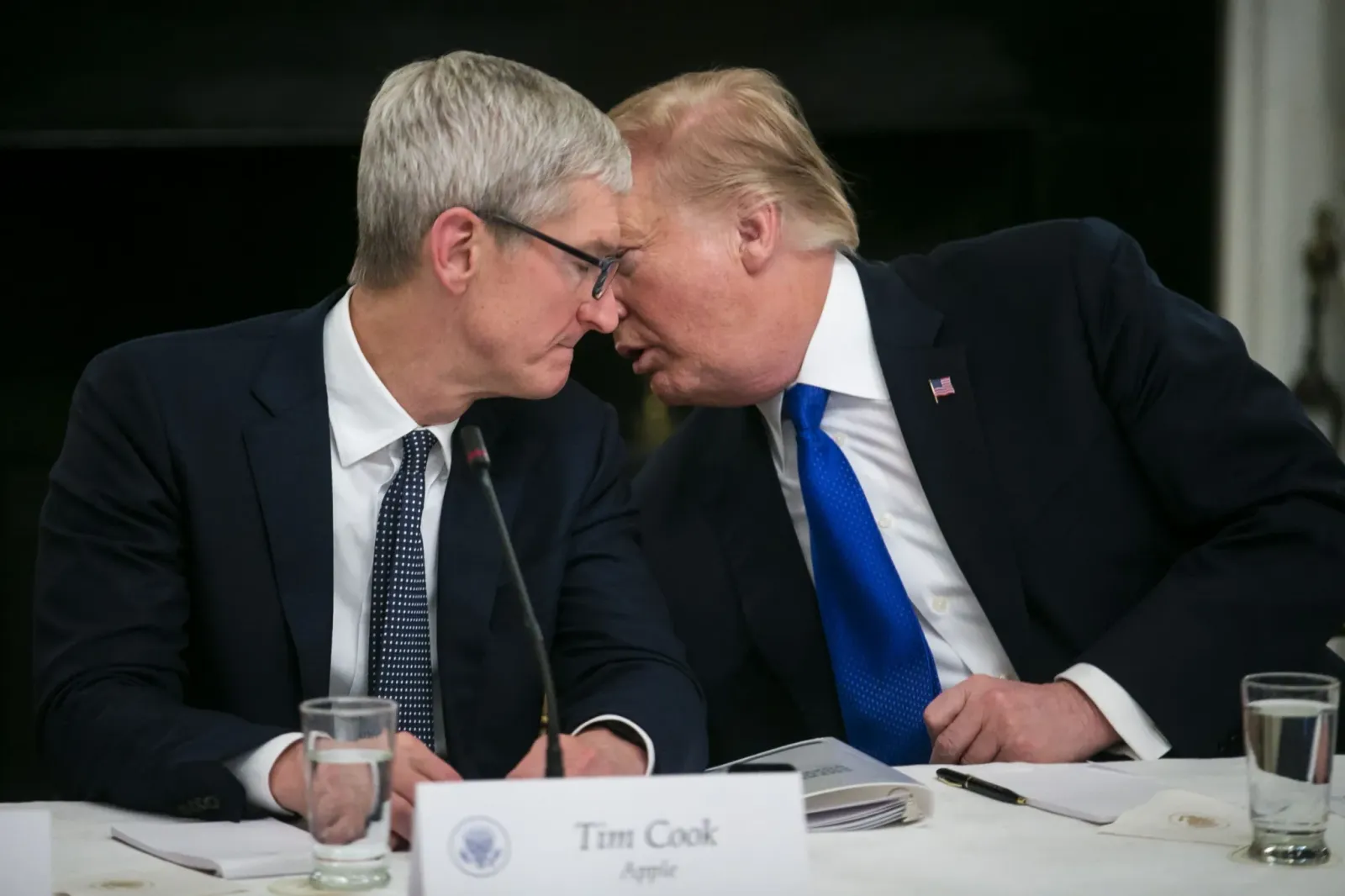
Tim Cook steps down as Apple CEO, stays on as chair with $45M equity
The 'Trump whisperer' keeps his White House and Beijing access as Apple navigates tariffs and a $4.6 trillion market cap.

Snowflake shares surge as AI data demand crushes estimates, lifting full-year forecast
Stocks jumped on stronger-than-expected guidance, signaling enterprise AI workloads are accelerating faster than Wall Street priced in.

Tim Cook's 15-year Apple CEO run ends: 3 lessons for any successor
After 15 years, Tim Cook hands Apple to John Ternus - here's how he turned a $350B company into a $4.6T juggernaut.