
Seth MacFarlane brings Dungeon Crawler Carl to live-action TV
The 'Orville' creator is moving a bestselling sci-fi hit into live-action, and streaming buyers should care.

Seth MacFarlane, best known as the creator of The Orville, is officially turning the bestselling sci-fi series Dungeon Crawler Carl into a live-action TV show. For decision-makers, it signals continued mainstream demand for high-concept genre properties, especially ones built for binge-ready streaming.
Seth MacFarlane, creator of The Orville, is officially turning the bestselling sci-fi series Dungeon Crawler Carl into a live-action TV show. That is the headline fact Collider is reporting, and it matters because Dungeon Crawler Carl is already proven at the audience level, not just pitched on a slide deck. When a show like this jumps formats, it is less of a gamble on “will people try it?” and more of a fight over “who gets to own the next big streaming obsession?”
The series brings an apocalyptic, science-fiction premise with a twist. Collider frames surviving the apocalypse as a hugely popular trope, then points out that what separates Dungeon Crawler Carl is its specific brand of weird, including the prospect of a talking cat in a tiara. In other words, this is not just another wasteland and undead story. The hook is that the genre armor is familiar, but the inside is dramatically different, and that difference is what gives streaming services a reason to bet.
Zoom out and the “why now” becomes clearer. Apocalyptic sci-fi has been on screens for years, and the trope itself is not exactly rare. The challenge for streamers and studios is avoiding sameness. They want world-scale stakes, fast pacing, and a premise that can survive promotion, clip culture, and season-to-season retention. Collider’s framing implies Dungeon Crawler Carl offers exactly that combination: a recognizable sci-fi survival structure paired with offbeat character energy. For executives, that reduces some creative uncertainty, even if it does not eliminate production risk.
MacFarlane is a particularly interesting executive catalyst here because his track record sits at the intersection of genre and mass appeal. The Orville has helped show that you can do science fiction with broad entertainment value, not only hardcore niche credibility. So when MacFarlane moves into live-action adaptation, it tells you something about how successful mainstream genre IP can be when it is handled with both pacing instincts and comedic timing. That matters for boards and investors because it suggests the adaptation is not merely about transferring a title, it is about translating a tone.
The live-action format also carries practical implications that decision-makers will recognize immediately. Sci-fi properties live or die by production choices: creature and environment work, set scale, costume realism, and the ability to make stylized elements feel tangible. When the source material includes exaggerated comedic artifacts like a talking cat in a tiara, the adaptation has to find a production solution that lands the joke without undermining the broader world. That creates cost and scheduling pressure, which is where investors and executive teams get especially sensitive. However, it is also a reason to believe in the bet: distinctive visuals can differentiate a series in a crowded marketplace.
There is also the streaming ecosystem angle. Live-action adaptations from bestselling series are often a direct response to audience discovery behavior. People sample, they binge, they share moments, and they decide quickly. A “bestselling” property built around an instantly understandable premise has an advantage in that environment. Collider’s description underscores this: it is a cult science fiction series heading toward a new streaming service. That phrasing matters. Cult can convert if the adaptation package is right, but it also means the buyer has to balance fidelity for existing fans with accessibility for new ones.
Second-order effects show up in what this might do to competitive planning. If MacFarlane is effectively endorsing Dungeon Crawler Carl as live-action-ready, other genre-friendly creators and rights holders will feel pressure to move from development to commitments. That could push more genre adaptations into the pipeline, increasing competition for actors, production capacity, and even specialist creative talent who can deliver hybrid tone storytelling. In practical board terms, it raises the question of differentiation: can your streaming slate deliver a “familiar trope, fresh twist” combination like Collider describes, or will it blend into the background of apocalypse content?
For executives watching the space, the strategic stake is straightforward. A proven sci-fi brand getting a high-visibility live-action push is a reminder that streaming winners are still made by confident programming decisions, not just marketing budgets. Dungeon Crawler Carl is positioned as a genre survival story with a specific comedic edge, and MacFarlane’s involvement elevates the conversion odds. The next move for decision-makers is to treat this as a demand signal: audiences are still hungry for apocalypse stories, but they are choosing the ones that feel different in the moments that matter.
This story's Key Insights and Take-aways are locked.
Create a free account to unlock Executive Actions for one credit.
Register to UnlockAlways free for Executives Club members. Join the Club
More in Entertainment

Steam drops four paid games to free for 24 hours starting June 20
Management sim, grand strategy, sports, and mech FPS go free this weekend, so plan installs and playtime like a release week.
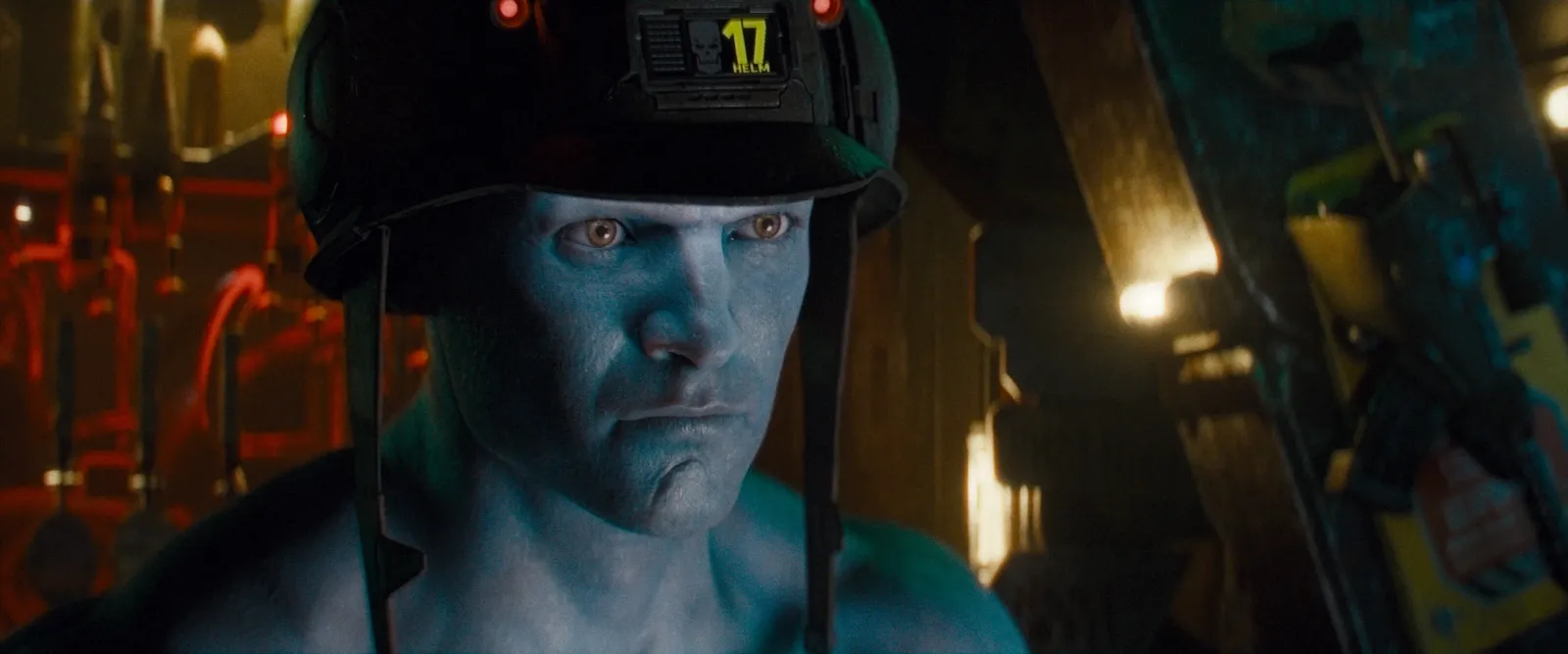
Duncan Jones says “Rogue Trooper” has no AI, then sells its indie-size miracle
The director-writer and producer break down how they landed major voice talent and kept the process clean.

Dua Lipa posts first photos of her custom Chanel wedding dress after Palermo celebrations
The Grammy winner and Callum Turner share debut wedding-dress images from a separate three-day Palermo event.