

Shein trades $100bn dream for discounted Hong Kong IPO
The fast-fashion giant once valued at $100 billion is now seeking a listing in Hong Kong at a marked-down price, signaling a sobering turn for the company and its investors.
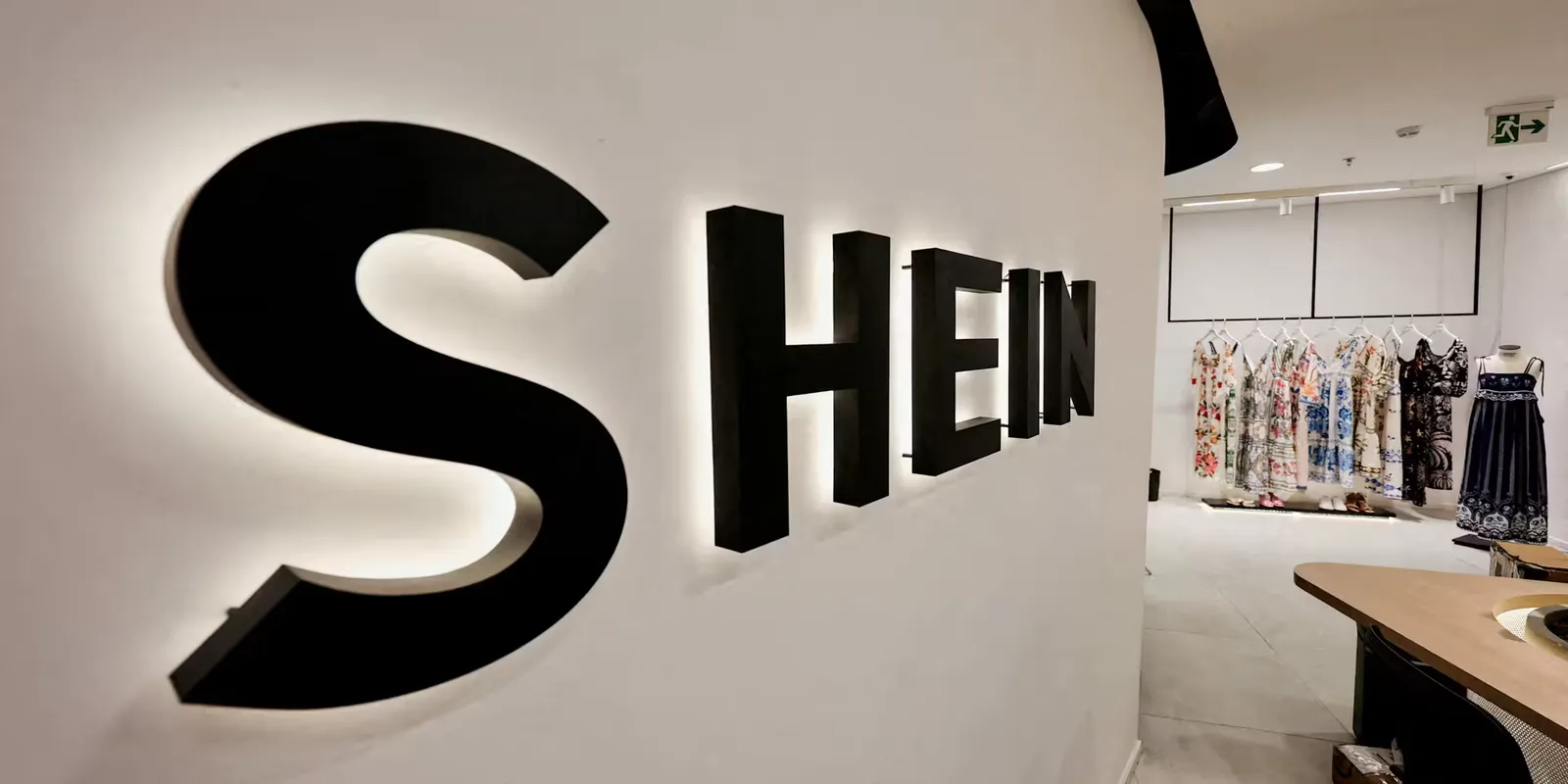
Shein, the fast-fashion e-commerce giant, is pursuing a Hong Kong listing at a valuation far below its previous $100 billion peak, according to Nikkei Asia. This discount reflects a reality check for the company amid regulatory scrutiny and a cooling IPO market, forcing investors to recalibrate expectations.
Shein, the fast-fashion behemoth that once commanded a $100 billion valuation, is now preparing for a listing in Hong Kong at a marked-down price. That's the reality check according to Nikkei Asia, and it's a stark reversal for a company that was the poster child of hypergrowth. The discount is more than a number; it signals that the era of unlimited private capital for growth-at-all-costs startups is over. For Shein, which rode a wave of viral marketing and ultra-fast supply chains to become a global phenomenon, the shift to a discounted Hong Kong IPO is a humbling acknowledgment that the market's appetite for its story has cooled.
Shein's rise was meteoric. Founded in China, it leveraged a network of suppliers to produce trendy clothing at breakneck speed, undercutting traditional retailers and even fast-fashion peers like Zara and H&M. By 2022, it had become one of the most valuable private companies in the world, with a $100 billion price tag that put it in the same league as tech giants. Investors lined up for a piece of the action, betting on its ability to dominate the global apparel market. The company's algorithm-driven approach to trend spotting and its direct-to-consumer model allowed it to scale with unprecedented speed, making it a darling of venture capital and private equity funds alike.
But the dream has soured. Regulatory scrutiny has intensified, with concerns over data privacy, labor practices, and the environmental impact of its business model. The US and other markets have raised barriers, and a planned listing in the US was reportedly shelved. Now, Shein is turning to Hong Kong, a venue that has seen its own share of turbulence but remains a gateway to Chinese capital. Hong Kong has become the default destination for Chinese tech firms seeking public listings, especially those facing political headwinds in the West. For Shein, the move is both pragmatic and symbolic: it acknowledges the regulatory realities while still providing access to a deep pool of Asian investors.
The discount is a direct consequence of these headwinds. Investors are no longer willing to pay a premium for growth that comes with regulatory risk. The IPO market has also cooled globally, with many tech companies accepting lower valuations to get deals done. Shein's move to Hong Kong at a discount is a pragmatic, if painful, step to provide liquidity to its early backers and raise fresh capital. The exact valuation remains undisclosed, but the fact that it is being framed as a discount to the $100 billion peak speaks volumes about the shift in sentiment. In a market that once rewarded narrative over numbers, Shein is now being judged on its fundamentals, and those fundamentals are under intense scrutiny.
For investors, this is a moment of reckoning. Those who bought in at the $100 billion valuation are likely facing significant markdowns, and the prospect of a discounted IPO means their paper gains may never materialize into real returns. New investors, however, might see an opportunity to enter at a more reasonable price, betting that Shein can navigate its regulatory challenges and continue to grow. The listing will test the market's appetite for a company that has become synonymous with fast fashion, and its success or failure could set the tone for other startups considering IPOs. It also raises questions about the viability of the entire fast-fashion sector, which has come under fire for its environmental footprint and labor practices.
The broader implications extend beyond Shein. The company's journey from a $100 billion dream to a discount listing is a cautionary tale for the entire startup ecosystem. It underscores the shift from a market that rewarded growth at any cost to one that demands profitability and sustainability. Private valuations are being recalibrated across sectors, and Shein is just the most prominent example. The days of frothy valuations and easy money are over; investors are now asking tougher questions about unit economics, governance, and long-term resilience. For other unicorns, Shein's experience serves as a warning that a high private valuation is not a guarantee of a successful public debut.
In the end, the Hong Kong discount listing is a reality check that many had seen coming. For Shein, it's a chance to reset and prove that it can build a durable business. For the market, it's a reminder that even the most celebrated unicorns are not immune to gravity. The question now is whether Shein can turn this discount into a foundation for the next chapter, or whether it will be remembered as the moment the fast-fashion bubble burst. Either way, the company's trajectory offers a powerful lesson: in today's market, a $100 billion dream is only as strong as the reality behind it.
This story's Key Insights and Take-aways are locked.
Create a free account to unlock Executive Actions for one credit.
Register to UnlockAlways free for Executives Club members. Join the Club
More in Business

Tim Cook steps down as Apple CEO, stays on as chair with $45M equity
The 'Trump whisperer' keeps his White House and Beijing access as Apple navigates tariffs and a $4.6 trillion market cap.
Snowflake shares surge as AI data demand crushes estimates, lifting full-year forecast
Stocks jumped on stronger-than-expected guidance, signaling enterprise AI workloads are accelerating faster than Wall Street priced in.

Tim Cook's 15-year Apple CEO run ends: 3 lessons for any successor
After 15 years, Tim Cook hands Apple to John Ternus - here's how he turned a $350B company into a $4.6T juggernaut.