

Sony drops the Xperia 1 VIII’s continuous optical zoom telephoto, keeps the $1,850 price
A flagship camera overhaul and a US no-show collide with Xperia staples, forcing Sony fans to decide what matters most.
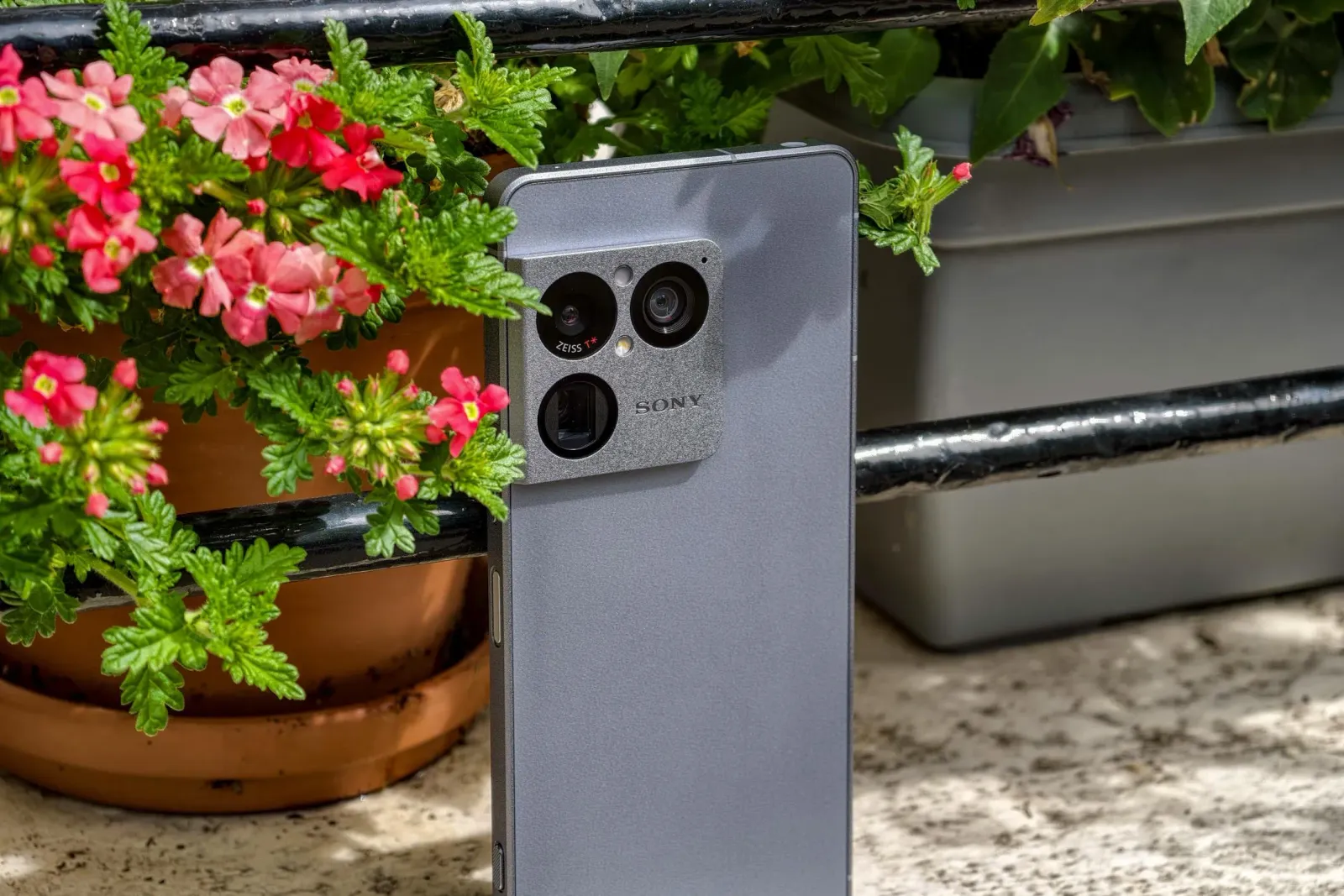
Sony’s Xperia 1 VIII arrives with an aesthetic overhaul and a revamped camera system that drops the continuous optical zoom telephoto used for the last four generations. For decision-makers tracking premium handset strategy, it signals how Sony is repositioning its flagship value proposition without changing key hardware conveniences.
Sony’s Xperia 1 VIII signals a real shift, not just a refresh: it drops the continuous optical zoom telephoto that has defined the last four generations of Xperia phones. That camera change matters because “continuous optical zoom” is the kind of spec that users can feel in day-to-day shooting, and it also tends to anchor brand expectations. Sony is also not keeping the overall vibe the same. The Xperia 1 VIII doesn’t look much like any Xperia that’s come before, with an aesthetic overhaul aimed at a step change for Sony’s flagship line.
The other big number: in the UK and Europe, the Xperia 1 VIII starts from £1,399 / €1,499, which comes out to about $1,850. The wrinkle for executives watching premium phones is that it is not launching in the US. So the price gets all the gravity while the distribution gets some of the friction, which can change how the launch story lands with reviewers, carrier negotiations, and long-term brand momentum.
To understand why Sony’s choice here is strategically loaded, it helps to translate the spec into incentives. Continuous optical zoom telephoto is not merely a hardware detail, it is a promise about how the camera behaves when you want to reframe without losing optical quality. Dropping it means Sony has to justify the new camera system in a different way, whether that is with other focal coverage, different optical mechanisms, computational photography, or some mix of all three. The source confirms Sony revamped the camera system, but the headline act is the removal of that telephoto continuity feature. For Xperia loyalists, that is the emotional trade: the “defined for the last four generations” element is going away, which makes the remaining Sony staples even more important.
Sony’s staples are staying, and that is the second half of the message. The Xperia 1 VIII keeps a 3.5mm headphone jack and a microSD card slot. It also keeps specific design touches like a thick front bezel that fits stereo speakers. Those features are less about chasing the mainstream and more about serving a particular slice of buyers who still want wired audio reliability and expandable storage. In other words, Sony appears to be betting that fans will accept a camera identity change if the device still behaves like a Sony flagship in the ways that matter to them.
Now connect this to the market context around premium smartphones. Flagship pricing in Europe and the UK is already punishing, and the source indicates Sony’s ambitious pricing hasn’t changed. With the Xperia 1 VIII not launching in the US, Sony’s position becomes narrower. The absence in the US can affect ecosystem reach, developer attention, and the “default choice” dynamics that shape long-term momentum. It can also shift the launch’s business reality from broad-market adoption to a more fan-driven outcome, where brand loyalty and niche feature retention do a larger share of the work.
There is also a regulatory and compliance angle that rarely gets airtime but matters operationally. The source doesn’t mention regulations, but handset launches typically require region-specific certifications for radios and other components. Choosing to launch only in the UK and Europe can be read as a focus decision: concentrate effort, packaging, and compliance work where the company expects the strongest demand. That can reduce complexity, but it also limits revenue capture if the broader market fails to come to the same conclusion that Xperia fans do.
The strategic stake for executives at other handset companies is that this is a credible attempt at a “step change” while still holding onto long-running differentiators. Sony is not abandoning headphone jacks or microSD, and it is still using design cues like thick bezels for stereo speakers. But it is also signaling that it believes the camera system needs a redesign serious enough to remove a signature element. That combination is a useful case study for boards and operators: you can reshape a flagship, but you need a replacement narrative that does not alienate your most valuable cohort.
For decision-makers, the question is not whether the Xperia 1 VIII is “better” in some abstract sense. The actionable question is: which part of the flagship experience is Sony trying to sell, and to whom, given the £1,399 / €1,499 (about $1,850) starting price and the explicit non-launch in the US. If Sony’s repositioning resonates, it reinforces the idea that premium phone identity can survive major spec changes when core fan expectations remain intact. If it doesn’t, the story becomes a warning about how quickly a flagship line can lose relevance when it drops a defining camera feature while keeping price level unchanged.
This story's Key Insights and Take-aways are locked.
Create a free account to unlock Executive Actions for one credit.
Register to UnlockAlways free for Executives Club members. Join the Club
More in Technology

Nvidia's $89B data center quarter: the 9 companies cashing in
The AI buildout is minting fortunes beyond GPUs, and memory, cloud, and cooling suppliers are riding the same wave.

Google quietly links your phone number to every Android account on your SIM
Adding a SIM now ties your phone number to all Google accounts - and future accounts inherit it. Here's the security and privacy stakes.

Hijacker AI 'Skynet mode' runs 100,000 attack steps against exposed models
Symantec caught a criminal AI agent that borrows other models, steals data, and mines crypto; the only relief is no confirmed victims yet.