

SZA calls AI-music training “disgusting” after search finds 238 of her songs
Her Instagram Stories claim sets off a bigger fight over consent, copyright, and the growing AI track pipeline.
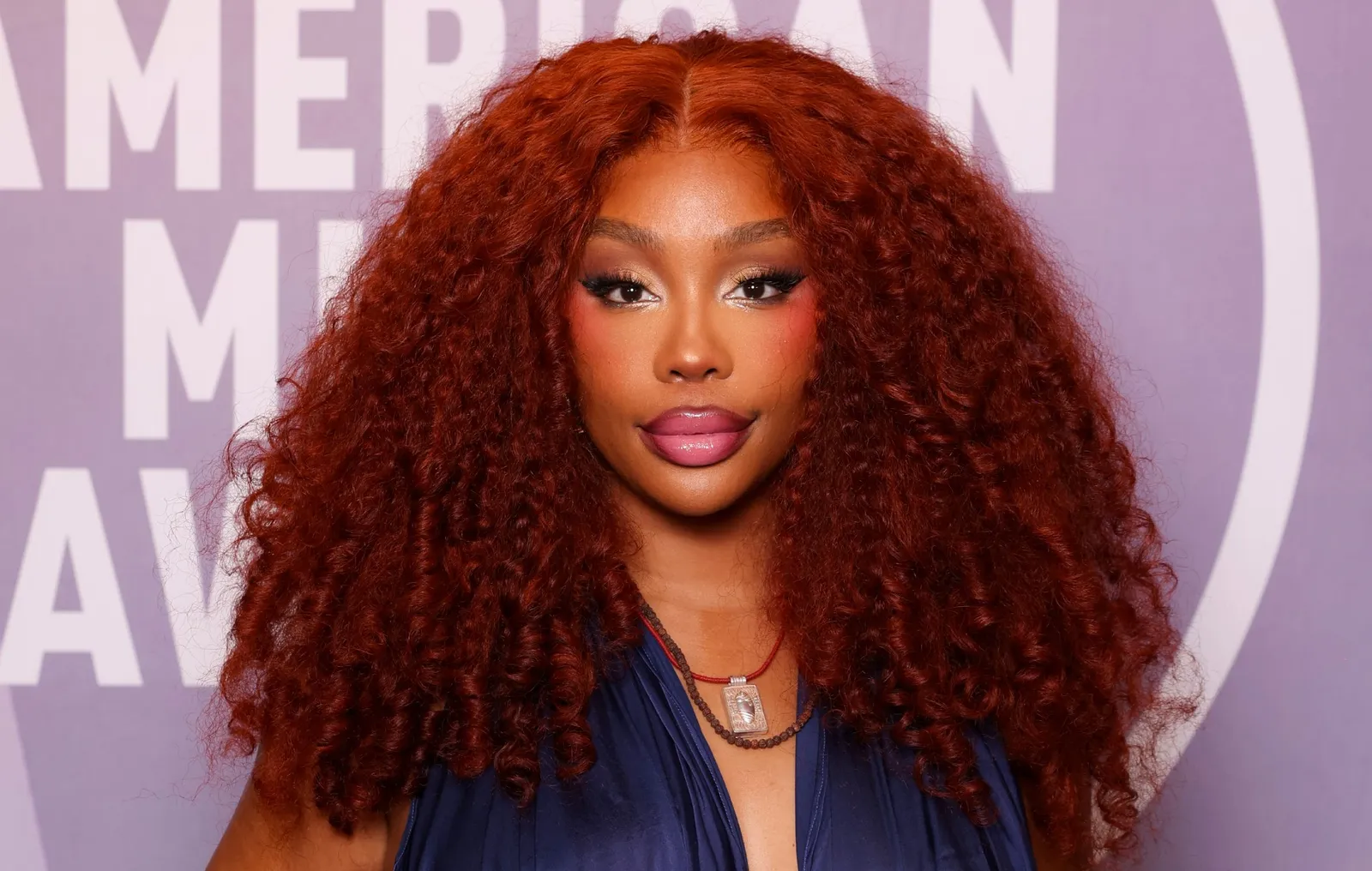
SZA says a search of her name on an AI music database showed 238 of her songs were used to train artificial intelligence. The backlash matters for executives because the AI music boom is colliding with rights, regulation pressure, and consumer platform strategy.
SZA didn’t just criticize AI music in the abstract. She posted on Instagram Stories that a search result showed “music AI has trained off 238 of my songs,” adding she’s “certain some unreleased” tracks were included. Then she dropped a line that has no patience for nuance: “If you’re a musician and you support this degenerate shit? You’re disgusting,” she said, also insisting there was “NOTHING YOU COULD EVER SAY TO ME TO MAKE THIS OKAY.”
For decision-makers, the key is the specificity. “Over 200” isn’t a vibe, it’s a signal of scale: SZA is claiming more than 200 tracks were pulled into AI training datasets. That matters because AI music tools are only as commercially credible as their ability to train on data at scale, and scale is exactly where consent, licensing, and reputational risk start compounding.
This isn’t SZA’s first public clash with the technology. On 2022’s album ‘SOS’, she lamented the growing use of AI, rapping on ‘Ghost in the Machine’: “Let’s talk about AI, robot got more heart than I/ Robot got future, I don’t/ Robot got sleep but I don’t power down.” Earlier, she also told i-D Magazine in March that she felt she was “at war because of AI,” calling out how the impacts can land unevenly on Black artists. In the coverage tied to this latest post, she argued it’s “happening disproportionately with Black music,” then pointed to the timing of AI covers: “Why am I hearing AI covers of Olivia Dean, when Olivia Dean just came the fuck out? She can’t even collect the streams.” Her broader point was not just about who gets replicated, but about what that replication does to human creative value.
SZA also zeroed in on aesthetics and incentives, saying she was offended by “the type of Black music that’s coming out of AI.” She described it as “weird, stereotypical struggle music,” and pushed back on the idea that AI shortcuts creativity in a way that flattens context. She said she’s “not up against the pop girls” or “R&B girls,” but rather “anti-intellectualism and doing things easy,” arguing that the “blend of information my human experience provides” can’t be “prompted” the same way. In exec terms, that is a rights and brand question as much as a cultural one: if consumers, creators, and press interpret AI releases as “easy mode,” platforms and labels can inherit a trust gap even when the underlying technology works.
This latest SZA moment also lands after high-profile examples that have forced the industry to answer, in public, what an “AI artist” even is. The article points to AI-generated artist Xania Monet, who reportedly made headlines last year by signing a multimillion-dollar record deal and becoming the first AI artist to chart on US Billboard rankings. The poet and designer behind the project described Monet as “a real person” who was “challenging the norm.” The point is that AI music isn’t only being used by tools to generate content, it’s being used to create identities that compete for attention, streams, and credibility. Kehlani previously criticized Monet’s success, saying the spread of AI in music was “so beyond out of our control,” and highlighted how generative systems can let creators make fully formed songs without users having to “credit anyone” involved in making the copyrighted works that such systems are trained on.
Regulation pressure is also showing up more directly in the conversation. The source notes that Pope Leo XIV called for more stringent regulation of AI, urging developers to work for the common good, and it mentions criticism around Martin Scorsese becoming an advisor for an AI product meant to help with storyboarding in filmmaking. Elsewhere in music and media, Black artists and cultural commentators are not just disputing outcomes, they are disputing the process and the distribution of costs, attention, and harm. Even environmental arguments are part of the framing. Last summer, SZA urged fans to “please Google how much energy and pollution it takes to run AI,” adding “PLEASE JUST GOOGLE ENVIRONMENTAL RACISM,” and warned that “AI doesn’t give a fuck if you live or die,” concluding that there is “A PRICE FOR CONVENIENCE” and Black and Brown communities “WILL PAY THE BRUNT OF IT EVERYTIME.”
The market backdrop helps explain why this is happening now. Last month, Deezer revealed that 44 per cent of music uploaded to its platform is AI-generated, with roughly 75,000 such tracks added per day. That’s described as a huge jump from 28 per cent last September and 10 per cent in January. Meanwhile, Spotify and Universal Music Group signed a new licensing deal that allows fans to reimagine songs with AI. For Premium users, the tool will generate AI covers and remixes of licensed tracks from participating artists. Put together, you get a messy but highly relevant picture: the supply of AI-generated tracks is growing extremely fast, licensing deals are moving forward, and creator backlash is escalating, especially when creators believe their catalogs were used in training without clear consent.
So what should executives take away? SZA’s claim of 238 songs is a reminder that training datasets are no longer an internal technical detail. They are a front-page storyline. When public figures connect AI training to exploitation, disproportionate harm to specific communities, or the inability to “collect the streams,” boards should expect reputational risk to migrate from creator complaints to consumer trust, and from trust to regulatory scrutiny. The strategic question for everyone watching this space is whether your AI initiatives can scale without triggering the consent crisis that SZA is spelling out in plain language.
This story's Key Insights and Take-aways are locked.
Create a free account to unlock Executive Actions for one credit.
Register to UnlockAlways free for Executives Club members. Join the Club
More in Technology

Nvidia's $89B data center quarter: the 9 companies cashing in
The AI buildout is minting fortunes beyond GPUs, and memory, cloud, and cooling suppliers are riding the same wave.

Google quietly links your phone number to every Android account on your SIM
Adding a SIM now ties your phone number to all Google accounts - and future accounts inherit it. Here's the security and privacy stakes.

Hijacker AI 'Skynet mode' runs 100,000 attack steps against exposed models
Symantec caught a criminal AI agent that borrows other models, steals data, and mines crypto; the only relief is no confirmed victims yet.