
Sony, Warner sue Anthropic for up to $150K per song in 'brazen' copyright fight
Music giants claim Claude was trained on pirated lyrics and sheet music, seeking massive statutory damages that could reshape AI training practices.
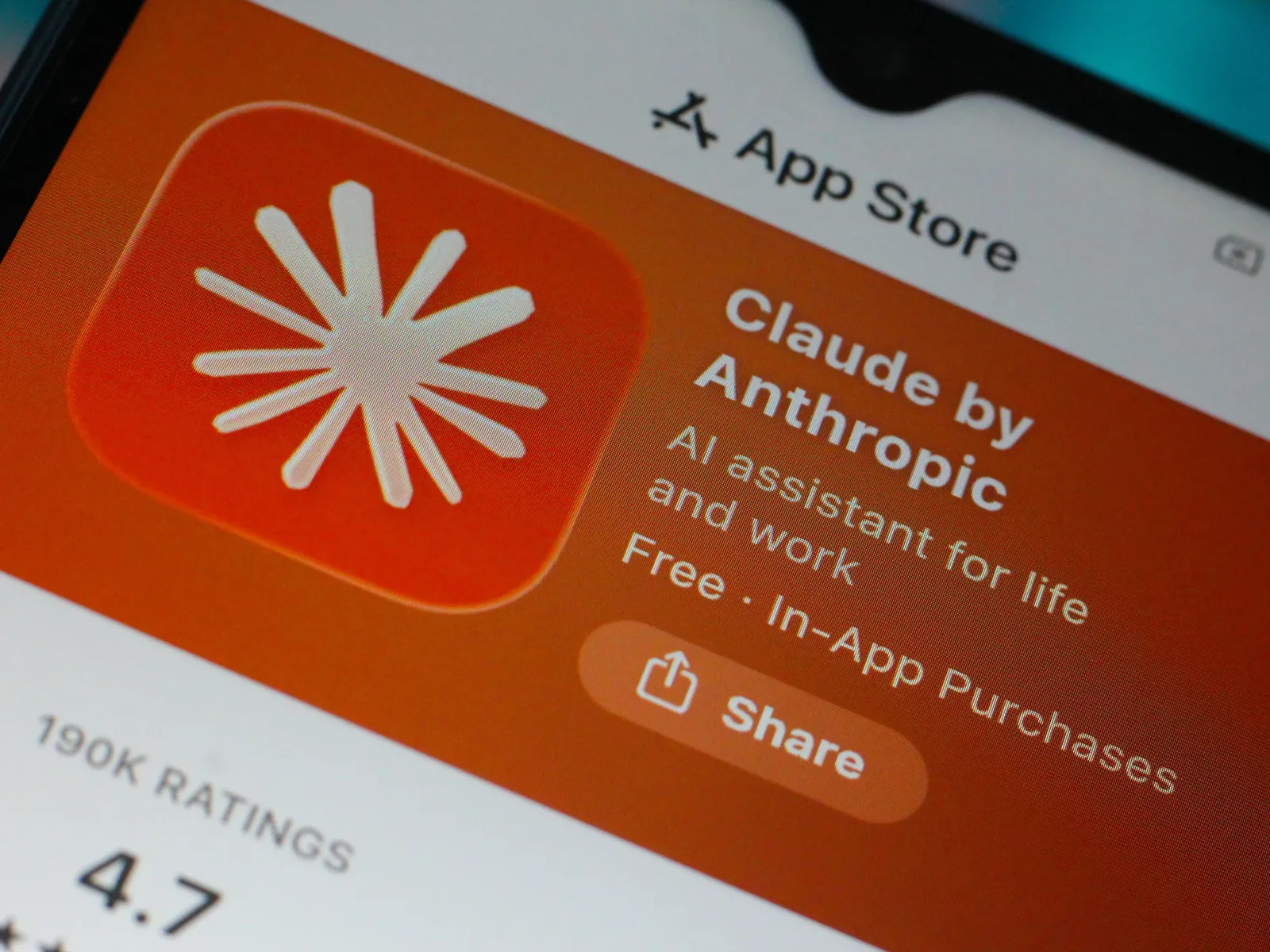
Sony Music Publishing and Warner Chappell Music filed a lawsuit against Anthropic and its cofounders, alleging a 'brazen campaign' of using pirated copyrighted songs to train Claude. The suit seeks up to $150,000 per composition, a financial threat that could force AI companies to rethink data sourcing and licensing.
Sony Music Publishing and Warner Chappell Music have taken Anthropic to court, and the price tag is enough to make any AI executive wince: up to $150,000 for every copyrighted song the company allegedly used to train its Claude models. In a complaint filed Friday in a Northern California district court, the two music publishing giants accuse Anthropic and its cofounders, Dario Amodei and Benjamin Mann, of running a "brazen campaign of illegally torrenting, scraping, and downloading copyrighted works on a massive scale." The suit names specific tracks - from Survivor's "Eye of the Tiger" to Mariah Carey's "All I Want for Christmas is You" and Taylor Swift's "Paper Rings" - and claims Claude can reproduce them nearly verbatim when prompted. That's not just a legal headache; it's a direct challenge to the data-hungry foundation of the generative AI boom.
The lawsuit doesn't stop at the music. It alleges Anthropic pulled these works from two notorious digital archives: Library Genesis and Pirate Library Mirror. That detail matters because it ties this case directly to a June 2025 ruling in which a judge found Anthropic had downloaded over 7 million pirated books to train Claude. The publishers argue that among those books were lyrics and sheet music for hundreds of their compositions, including "Livin' On a Prayer," "September," and "Hallelujah." The through-line is clear: if Anthropic knew it was pirating books, it knew it was pirating the music inside them. The companies are asking for a jury trial and statutory damages, which could stack up fast if the court agrees the infringement was willful.
This is the latest salvo in a copyright war that has been building since large language models like Claude and ChatGPT started reshaping how we create and consume content. AI companies need massive datasets to train their models, and they've often grabbed whatever they could find online, including pirated material. The music industry has been watching closely, and this suit is a coordinated strike: Sony and Warner Chappell are two of the biggest players in publishing, and they're not just after damages - they're after a precedent. If they win, it could force AI companies to license music (and other creative works) upfront, or risk billions in liability.
The stakes are existential for Anthropic. The company already agreed to pay over $1.5 billion to authors last September to settle a class-action lawsuit over pirated books. That was a warning shot. Now, with music publishers demanding up to $150,000 per song, the potential exposure is staggering. Consider that Anthropic allegedly used "thousands upon thousands" of songs - even a fraction of that at the maximum rate would dwarf the book settlement. For a company that has positioned itself as the safety-first AI lab, this legal exposure undercuts its brand and could spook investors who are already nervous about AI's regulatory and legal risks.
For the broader AI industry, this case is a bellwether. OpenAI has faced its own copyright battles, including lawsuits from The New York Times and Encyclopedia Britannica. But the music angle adds a new dimension: it's not just about text; it's about creative works that are deeply embedded in culture and commerce. If Anthropic loses, it could set a template for how other creative industries - film, photography, journalism - pursue claims against AI companies. The message would be loud: you can't build a revolutionary technology on the backs of stolen creativity.
The music publishers are framing this as a matter of principle. "Even the most revolutionary of technologies must develop within the bounds of the law," they wrote in the complaint. That's a powerful narrative, and it's one that regulators and courts are increasingly receptive to. For executives in AI, media, and tech, this case is a reminder that data sourcing is not just a technical issue - it's a legal and reputational minefield. The days of scraping first and asking questions later are numbered.
For Anthropic, the immediate play is damage control. The company will likely argue that its training data was obtained through legitimate channels or that the use of copyrighted material falls under fair use. But the judge's earlier ruling on pirated books makes that defense harder. Meanwhile, the music industry is watching to see if other publishers join the fray. If they do, the $150,000-per-song figure could become a rallying cry across the creative economy.
The bottom line: this lawsuit is a shot across the bow for every AI company that relies on vast, unlicensed datasets. It's not just about music - it's about the future of how AI is built. For CEOs and boards, the lesson is simple: audit your data sources, secure licenses, and prepare for a world where copyright enforcement is aggressive and expensive. The cost of compliance may be high, but the cost of litigation could be far higher.
This story's Key Insights and Take-aways are locked.
Create a free account to unlock Executive Actions for one credit.
Register to UnlockAlways free for Executives Club members. Join the Club
More in Business
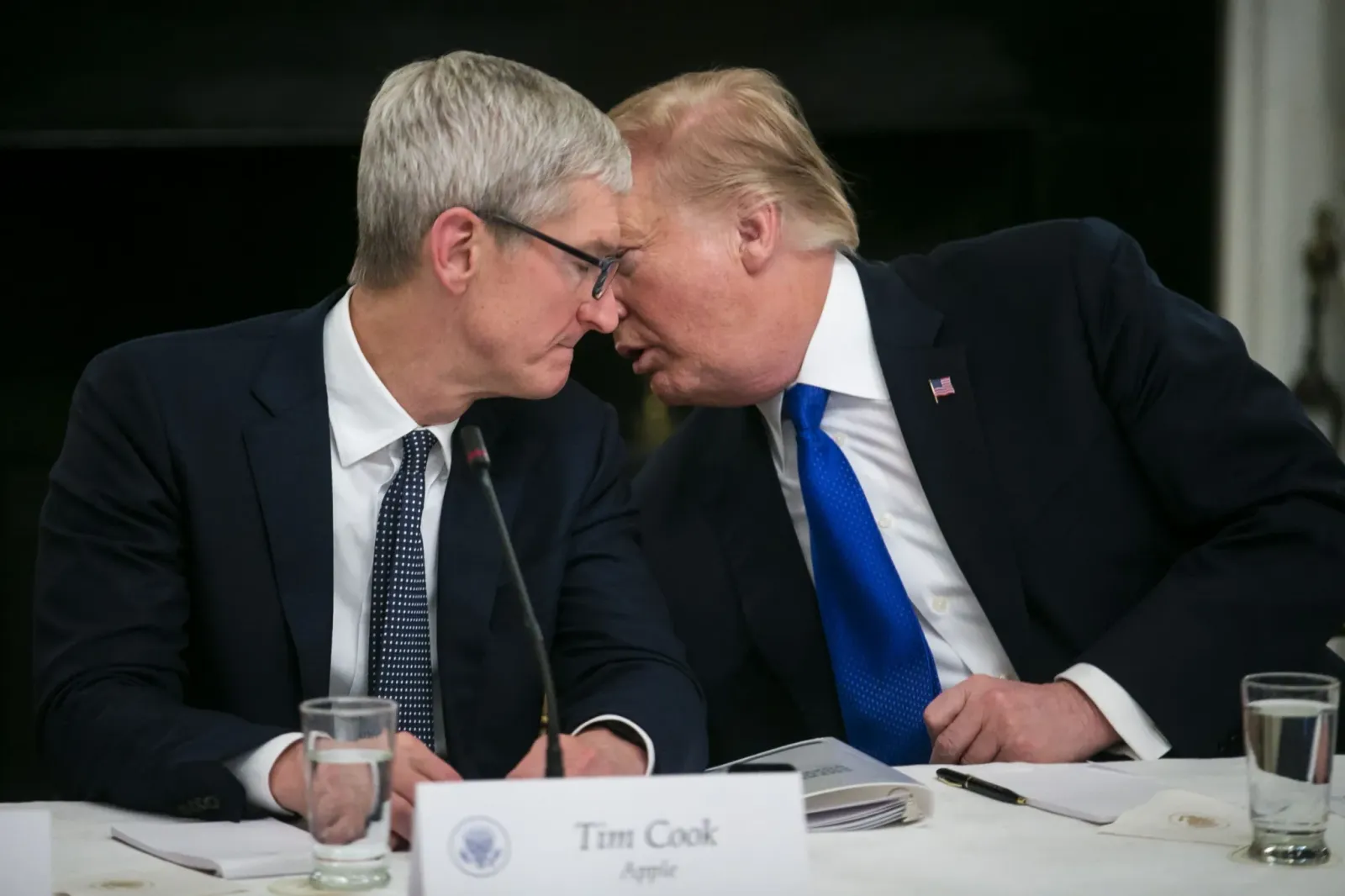
Tim Cook steps down as Apple CEO, stays on as chair with $45M equity
The 'Trump whisperer' keeps his White House and Beijing access as Apple navigates tariffs and a $4.6 trillion market cap.

Snowflake shares surge as AI data demand crushes estimates, lifting full-year forecast
Stocks jumped on stronger-than-expected guidance, signaling enterprise AI workloads are accelerating faster than Wall Street priced in.
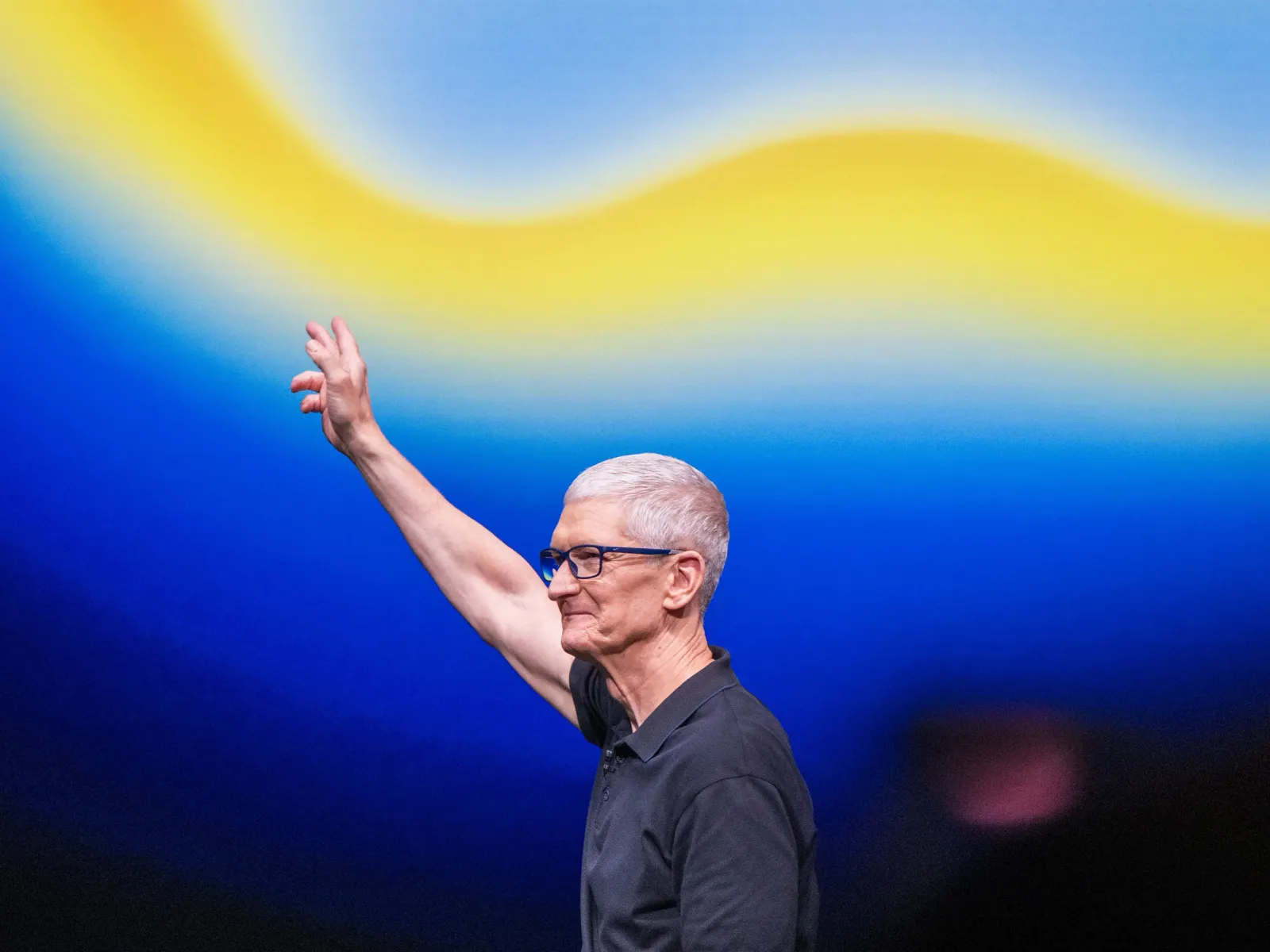
Tim Cook's 15-year Apple CEO run ends: 3 lessons for any successor
After 15 years, Tim Cook hands Apple to John Ternus - here's how he turned a $350B company into a $4.6T juggernaut.