
Sperm whales off Dominica shift clicks near boats, researchers can predict ship proximity
A four-year study finds a boat-related “vowel” pattern in sperm whale clicks, enabling near-real-time detection of marine traffic.

Researchers from Project Ceti (the Cetacean Translation Initiative) tracked clicks from 15 sperm whales off Dominica for four years and found distinct “vowel” variations when boats were nearby. The resulting pattern can predict when ships are near, turning whale sound into a practical signal for marine traffic awareness.
Sperm whales off the Caribbean island of Dominica change their audible clicking “vowel” sounds when boats are nearby, and a team says the pattern is distinct enough to predict ship proximity. That is the headline-sharp finding from researchers listening in the marine soundscape around Dominica, where sperm whales produce a specific clicking pattern in response to the noise of boats.
In plain terms: the researchers can hear the difference. They say the clicking pattern is so distinct that once you know what to listen for, you can anticipate when ships are close, based on the whales’ vocal behavior. The team behind the discovery is Project Ceti, a non-profit research organization focused on decoding sperm whale communication. The work took four years of “tuning in” to whale calls, using recordings to isolate how the clicking changes in the presence of marine traffic.
Here is why this matters beyond animal trivia. Marine traffic is already one of the loudest, most persistent forms of ocean disturbance, and whale communication is one of the clearest ways biology can show stress, adaptation, or plain sensory disruption. If sperm whales reliably modify their clicks in the presence of boat noise, that becomes a measurable proxy for human activity in places where traditional ship tracking might be incomplete, delayed, or inaccessible. In other words, the ocean’s own sensor network might be getting smarter, even if unintentionally.
The study’s setup also hints at why the signal could be usable. According to the source, Project Ceti researchers spent four years tuning in on the calls of 15 sperm whales off the coast of Dominica. That is not a throwaway observation. It is enough time and enough individual whales to move from “we noticed something” to “we can identify a consistent pattern.” The researchers’ stated goal is to decode sperm whale communication, which frames this discovery as more than a one-off acoustic curiosity. The implication is that if you can identify a boat-linked modification in click structure, you might be building toward a broader translation framework where different acoustic features map to different stimuli or contexts.
There is also a regulatory and governance angle hiding in the acoustics. In many marine jurisdictions, regulators and environmental managers increasingly rely on combinations of sources: AIS ship data, onboard logs, protected-area rules, and field monitoring. But AIS coverage varies by region and conditions, and enforcement is only as strong as the information that arrives to decision-makers. If scientists can use whale clicking patterns to predict when ships are nearby, that suggests an additional monitoring pathway that is ecological rather than purely technological. It also raises questions boards and compliance teams will care about: how should acoustic wildlife indicators be treated in environmental impact assessments, and how might they complement existing surveillance rather than replace it?
Now zoom out to the second-order implications for executives and boards in industries tied to oceans, shipping, and conservation. A working “whale-click signal” could affect reputational risk and operational planning. Even without new rules, better detection means better documentation. That can influence stakeholder scrutiny, especially for companies that operate in marine areas where noise pollution and wildlife impacts are politically and publicly monitored. If marine traffic is detectable through whale communication, then “we didn’t know” becomes a weaker defense when complaints or assessments rely on ecological evidence.
Finally, there is a strategic stake for peers who care about science-based decision-making. Project Ceti is a non-profit, but the discovery sits at the intersection of research, monitoring, and real-world constraints. When a communication signature is described as predictable, it moves from academic curiosity toward a potential tool. For decision-makers, the key question is less “can whales change sounds” and more “what systems can absorb this kind of signal fast enough to matter.” The ocean does not wait for committee cycles, and the ability to predict ship proximity from whale clicks hints at a future where environmental sensing is not only instrumentation-based, but also biology-encoded.
This story's Key Insights and Take-aways are locked.
Create a free account to unlock Executive Actions for one credit.
Register to UnlockAlways free for Executives Club members. Join the Club
More in Science

Juno sees Io’s subsurface heat surge: 40+°F rising just feet down
Two close flybys let NASA measure below Io’s surface, proving tidal heating and reshaping how scientists read volcanoes.
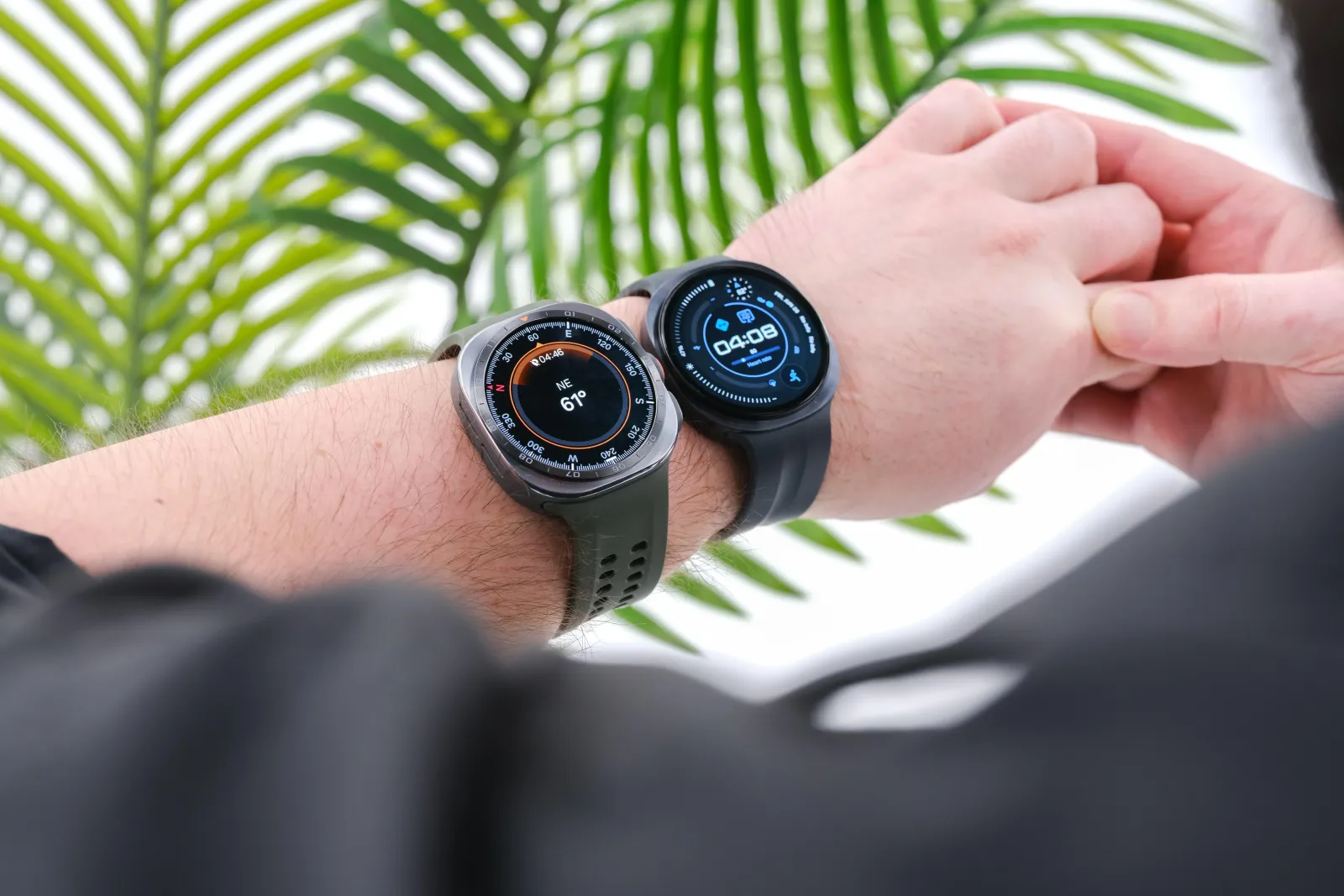
Galaxy Watch Ultra 2 adds 800mAh battery, costing $699.99
Samsung lifts battery specs and preventive health focus, including a 35% jump on Ultra 2’s 47mm model.

China moves first to regulate AI relationships, aiming to protect users from “digital companions”
A new legal push is China’s attempt to prevent the worst harms from AI companions, and it tests whether regulation can keep pace.