
Spotify launches Reserved, holding 2 tickets for superfans before public sales
A new Spotify ticketing system pre-allocates “Reserved” seats for superfans, with rollout details that shift how artists and fans get access.
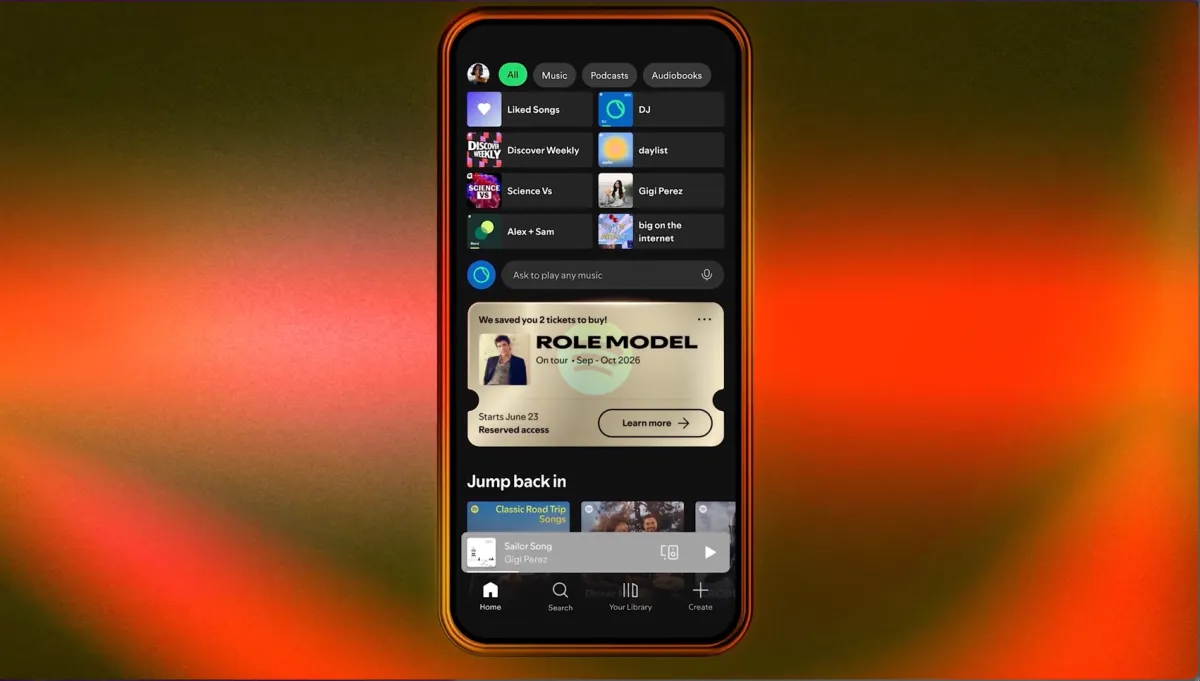
Spotify is launching “Reserved,” a ticketing system that holds two concert tickets for an artist's superfans before tickets go on sale to the public. The move gives Spotify a new lever in artist relationships and fan engagement, while changing the economics and fairness optics of ticket access.
Spotify is rolling out “Reserved,” a new ticketing system designed for music superfans. The core mechanic is simple and kind of spicy: for each artist, Spotify will hold two concert tickets for that artist's superfans before those tickets are made available to the general public.
That matters because it inserts Spotify into one of the most visible and contentious parts of the music economy: who gets access to live shows. Ticket sales are already a battlefield of scalpers, bots, and unequal information. Reserved is Spotify saying it wants a cleaner pipeline, where the most engaged listeners are first in line, and it can do that without waiting for a public on-sale moment.
Zoom out a bit and you can see why this is strategically interesting for Spotify. Live entertainment sits at the intersection of music discovery, community building, and revenue diversification. Streaming can be a long game, but concerts are where fans feel like the relationship is real, not just algorithmic. If Spotify can identify superfans and then translate that into early ticket access, it turns engagement into a concrete benefit. That can increase loyalty on Spotify, but it can also make artists more enthusiastic about deeper integrations with the platform.
Reserved also raises the question of how Spotify decides who counts as an “artist's superfans.” The source is specific about the system and the number of tickets held, but it does not provide extra criteria in the snippet provided. Still, the second-order implication for decision-makers is the same: whatever logic Spotify uses has to be defensible and consistent. In the world of ticketing, fairness claims can become headlines fast. If fans perceive the “Reserved” group as opaque, overly broad, or easily gamed, the program could create reputational drag that outweighs the goodwill it aims to generate.
There is also a regulatory and policy context lurking in the background, even when the feature is purely digital. Ticketing markets are increasingly scrutinized for issues like discriminatory access, anti-competitive behavior, and the ways platforms shape consumer choice. Reserved is not being framed in the source as a regulatory response, but it does change the ordering of access. From a board or legal perspective, the main diligence questions would be about transparency, user consent, and how Spotify communicates selection and eligibility. Even where regulation is not direct, regulators and courts often care about how gatekeeping is implemented.
Then there is the artist relationship. Spotify's move is not just about helping fans buy tickets; it is about giving artists a new distribution channel that can be presented as a benefit to their most passionate listeners. But artists will also care about operational friction. Reserving tickets before a public on-sale means the capacity is already allocated, so artists and promoters must align on ticketing workflows, timing, and how those held tickets are released if something changes. The source notes that Reserved tickets are held before public sales go live, which implies a deliberate sequencing decision, not a last-minute tweak.
For Spotify competitors and adjacent players, this creates a new pattern to watch. If early access tied to engagement becomes a feature expectation, the competitive bar shifts from “recommendation quality” to “relationship-to-benefits conversion.” Music platforms have tried to drive ticketing before, but holding a small, specific number of tickets for superfans is a clear, measurable wedge. Two tickets per artist's superfans is not enormous, but it is enough to be meaningful, and it is small enough that Spotify can test how well it works without fully replatforming the entire concert ticketing lifecycle.
Strategically, Reserved also tests whether Spotify can own a bigger slice of the fan journey. If it succeeds, Spotify could make itself harder to replace by becoming the platform where superfans get prioritized. If it fails or triggers backlash, Spotify still gains data and operational learning from the rollout. Either way, this is a product bet with ripple effects across streaming, live events, and platform influence. For executives at music and tech companies, the stake is not just tickets. It is who controls access, and whether superfans feel rewarded or excluded when the doors open.
This story's Key Insights and Take-aways are locked.
Create a free account to unlock Executive Actions for one credit.
Register to UnlockAlways free for Executives Club members. Join the Club
More in Technology

Nvidia's $89B data center quarter: the 9 companies cashing in
The AI buildout is minting fortunes beyond GPUs, and memory, cloud, and cooling suppliers are riding the same wave.

Google quietly links your phone number to every Android account on your SIM
Adding a SIM now ties your phone number to all Google accounts - and future accounts inherit it. Here's the security and privacy stakes.

Hijacker AI 'Skynet mode' runs 100,000 attack steps against exposed models
Symantec caught a criminal AI agent that borrows other models, steals data, and mines crypto; the only relief is no confirmed victims yet.