
State Department report ties Cuba to U.S. protests, including George Floyd unrest in 2020
A 100-page report released Monday alleges Cuba helped spark a “new and distinct kind” of protest activity.
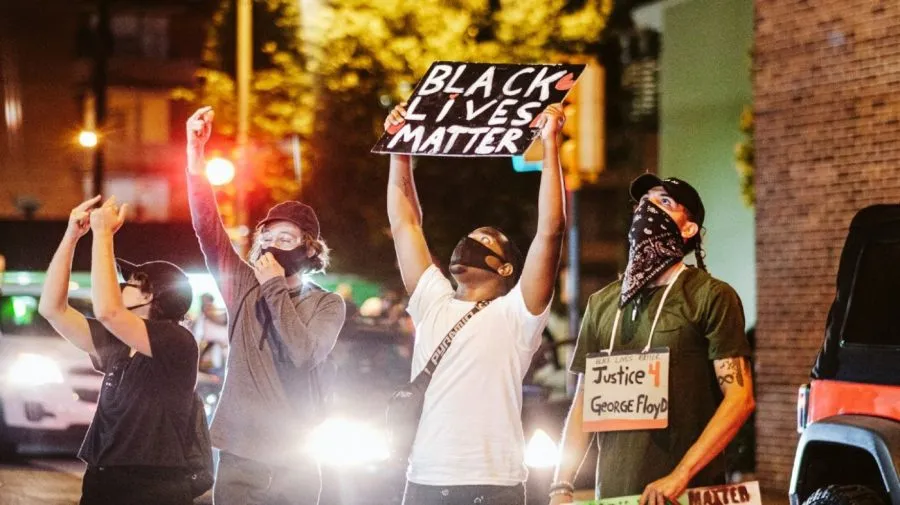
The State Department released a new 100-page report Monday linking Cuba to a wide range of U.S. protests, including demonstrations around the murder of George Floyd in 2020. The report says the Cuban regime, beginning in the 1960s, served as the “beating heart” of what it describes as a distinct kind of protest activity.
The State Department just released a new 100-page report Monday that links Cuba to a wide range of U.S. protests, including the demonstrations surrounding the murder of George Floyd in 2020. The document makes the claim that the Cuban regime, dating back to the 1960s, “has served as the beating heart of a new and distinct kind” of protest activity.
That first detail matters because it is not just another political headline. It is a U.S. government frame that tries to connect events Americans experienced on the streets in 2020 with an alleged long-run influence operation that, per the report, starts in the 1960s. For decision-makers, that kind of linkage is exactly how reputational and compliance risk can jump jurisdiction and time: once the government narrative is on the record, companies, platforms, and investors often have to reassess exposure to information operations, partner risk, and how they explain their own roles in public discourse.
Stepping back, this is a classic State Department move: produce a long, specific document that does two things at once. First, it offers a timeline and a conceptual storyline, in this case beginning in the 1960s. Second, it broadens the set of “relevant events” beyond one incident, because the report links Cuba not to one protest but to a “wide range” of U.S. protests, including the George Floyd demonstrations in 2020.
For executives, the practical question becomes: what does “linked” mean operationally? The source headline does not give us the report’s full evidence or methodology, but it does give enough to understand how the document is likely to be used. Government reports like this often become reference points for subsequent scrutiny. That scrutiny can land on communications teams, legal departments, government affairs, risk committees, and boards that oversee policy and platform governance.
There is also a second-order effect on capital and corporate strategy. When regulators and the U.S. government publish broad allegations tied to protest activity, it tends to raise the compliance temperature around content moderation, election and civic-integrity tooling, and vendor selection. Even if a company is not directly accused of wrongdoing, boards typically do not want to be the slow one who missed the shift in the external risk landscape.
Then there is the reputational tightrope. The report’s focus on U.S. protests, including those tied to George Floyd in 2020, means it is adjacent to a period of intense public attention and societal fracture. When foreign influence claims intersect with domestic unrest, executives must be careful about how they communicate, what they document internally, and how they coordinate with legal counsel. Silence can look like avoidance, while overstatement can look like ideology. The safest path is usually process: clear governance, auditable decisions, and a coherent explanation that matches what the government actually said, not what people assume it meant.
Finally, there is the institutional implication: a 100-page report released Monday is not a quick talking-point document. It signals effort and durability. The specific phrasing cited in the source, that Cuba has served as the “beating heart” of a “new and distinct kind” of protest activity, suggests the report is trying to do more than name a moment. It is offering a taxonomy. When a government agency develops that kind of framing, it can shape what gets funded, what gets investigated, and what gets treated as an ongoing pattern.
Peers in similar roles across tech, finance, and public policy should take the same lesson: monitor how narrative claims evolve from headlines into formal government records. A linkage like “Cuba to a wide range of U.S. protests” that explicitly includes George Floyd unrest in 2020 is the kind of fact pattern that can ripple outward into compliance programs, board-level risk assessment, and the way organizations prepare for regulatory questions. In the world of modern scrutiny, the first mover advantage is not in reacting to controversy, it is in preparing for the next round of questions before they arrive.
This story's Key Insights and Take-aways are locked.
Create a free account to unlock Executive Actions for one credit.
Register to UnlockAlways free for Executives Club members. Join the Club
More in Politics

LA County: DOJ's 20,000 'noncitizen' voter list is 'unreliable,' includes U.S.-born
Preliminary review by Los Angeles County election officials finds errors in the federal list, raising the stakes for voter roll integrity ahead of November.

Trump's $1.5B Pentagon chip investment lands in North Carolina
A $1.5 billion defense infusion for North Carolina chipmaking signals a new era of Pentagon-backed reshoring - here's what it means for the industry.

Nigeria confirms first Ebola case in Abuja, a woman just off a Uganda flight
Health Minister Muhammad Ali Pate says the patient flew in from Uganda, putting Africa's latest outbreak on Nigeria's doorstep.