
Sword Art Online returns July 2026 with an all-new adventure
A July 2026 return signals franchise momentum. Here is what it means for fans, studios, and IP investors.

Sword Art Online, the long-running anime franchise, officially returns in July 2026 with a brand-new experience. For decision-makers, this is a reminder that legacy IP can still mint demand across anime, light novels, and games.
Sword Art Online is officially returning in July 2026 with an all-new adventure, and that timing matters. For fans, it is a direct promise that the digital-world formula is not just resting on nostalgia. For the people who finance, license, and build around IP, it is also a signal that a franchise with decades of history can still generate fresh attention when it ships something meaningfully new, not just re-releases.
The franchise has built its enduring legacy on one core idea: protagonists get immersed in digital worlds where deadly stakes drive the plot. According to the source, Sword Art Online has consistently pulled fans across multiple formats, including light novels, anime, and video games. That cross-medium footprint is exactly why a July 2026 return is more than a schedule update. It is a chance for the broader Sword Art Online ecosystem to synchronize demand, pull in newcomers, and reward long-time viewers who already know the premise.
To understand why this matters, look at how legacy anime IP tends to survive market shifts. The source notes that Sword Art Online has had some less-than-stellar moments in its history, but it remains a hot property with plenty of potential. In plain terms, even when a franchise stumbles creatively, the combination of a recognizable premise and a loyal fanbase can keep it commercially viable. The July 2026 announcement is the kind of move that turns that viability into momentum again, especially when it is framed as an all-new experience rather than a sequel that feels like it is phoning it in.
Now zoom out to incentives. Franchises like Sword Art Online sit at the intersection of creative storytelling and revenue discipline. Anime studios, publishers, game developers, and licensors all want the same thing: predictable engagement that can travel across formats. The source highlights that SAO immerses fans in digital worlds as protagonists battle deadly foes and also get moments of swooning. That mix matters because it helps different segments of the audience stay invested. Action-focused viewers stay for the battles. Romance or character-driven fans stay for emotional beats. Broad appeal is not a buzzword here. It is an operational advantage when you are trying to keep an IP alive between releases.
There is also a second-order effect that boards and investors care about: fan attention is a capital allocation input. The longer a franchise can remain top-of-mind, the easier it is for partners to justify spend on marketing, localization, and product tie-ins. A July 2026 return can act like a planning anchor for the ecosystem. If the franchise performs well at launch, downstream formats can ride that wave. If it underperforms, it still provides a structured runway for future adjustments. Either way, timing announcements reduce uncertainty for stakeholders who need to coordinate release calendars across anime, light novels, and video games.
Regulatory background is not the headline here, but the incentives around content distribution are still relevant. Media companies often operate in a patchwork of regional rules, platform policies, and licensing requirements. Even without specific regulatory details in the source, the broader reality for decision-makers is that distribution and monetization depend on compliance and availability. When a legacy IP returns, stakeholders can benefit from established distribution pathways and existing audience data, which can lower execution friction. That does not guarantee success, but it can make the launch strategy more robust.
The strategic stakes for peers are straightforward. Sword Art Online is not just returning. It is returning with an all-new adventure, which is the difference between “the brand is still alive” and “the IP is actively generating new demand.” For executives considering investments in long-running franchises, the lesson is that fanbase durability plus a strong premise can keep a franchise investable even after imperfect eras. For decision-makers watching the content market, July 2026 becomes a near-term datapoint on whether legacy anime IP can still win attention in a crowded entertainment landscape, and whether cross-medium immersion remains a reliable engine for growth.
This story's Key Insights and Take-aways are locked.
Create a free account to unlock Executive Actions for one credit.
Register to UnlockAlways free for Executives Club members. Join the Club
More in Entertainment
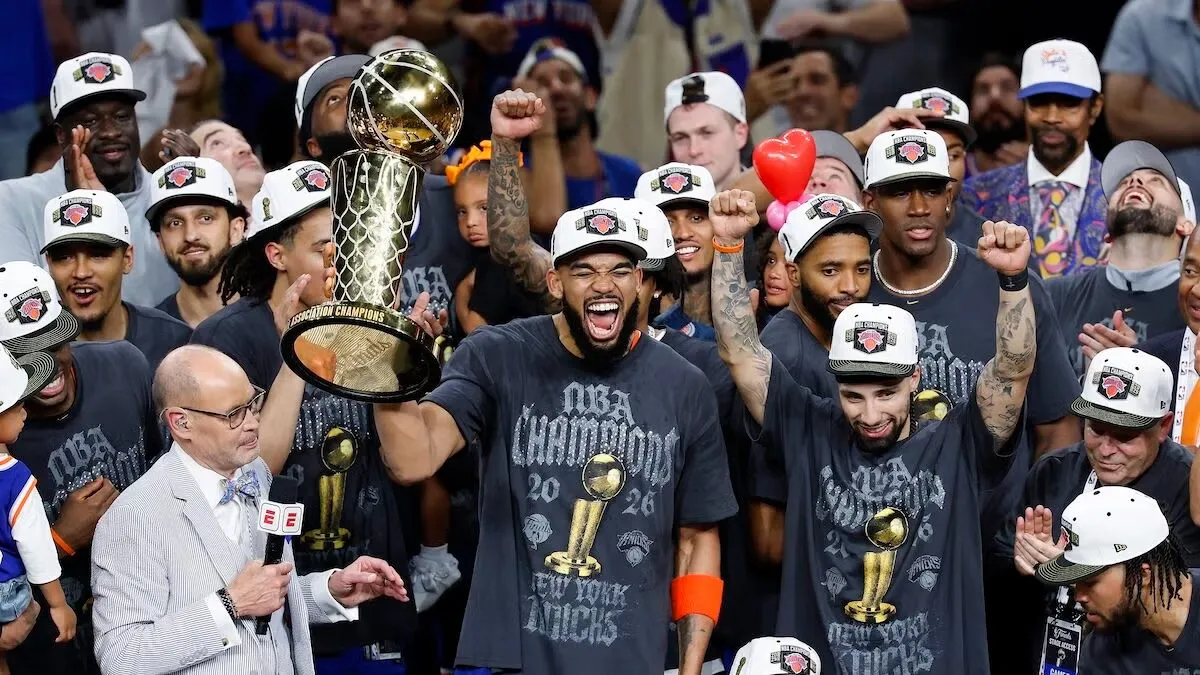
Knicks smash Game 5 ratings: 24.5 million viewers, biggest since 1998
A 157% jump lifts the NBA Finals audience, resetting what ABC and ESPN can expect from Game 5.
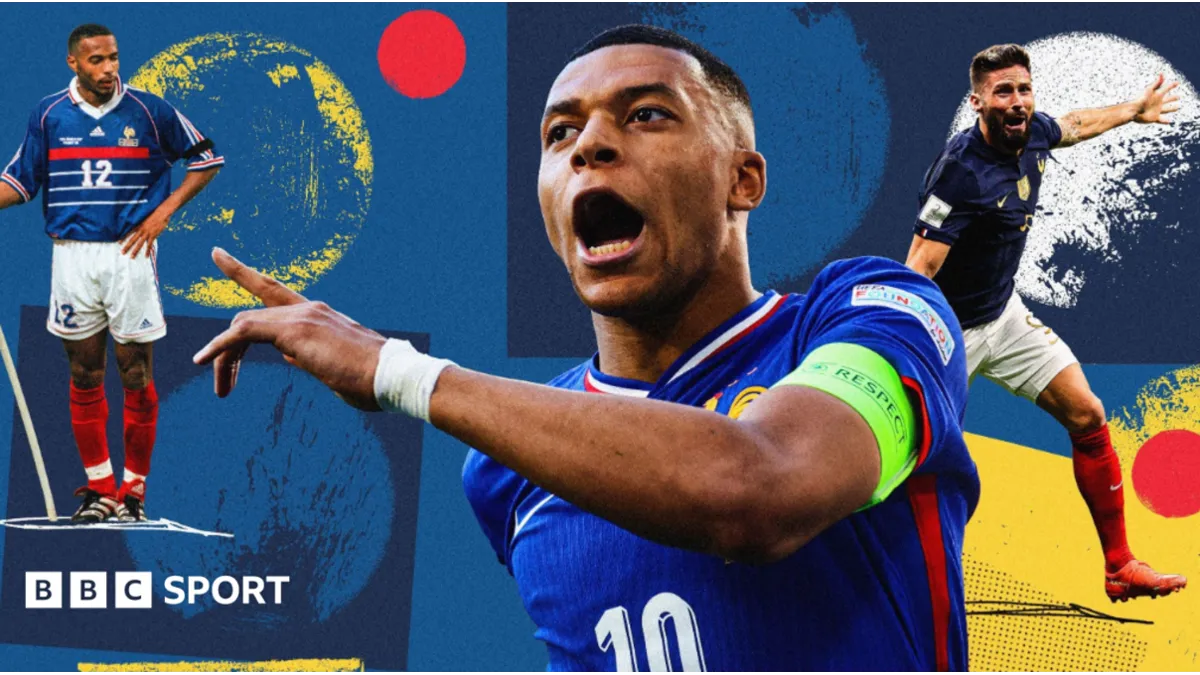
Mbappe becomes France's joint record scorer at 27, rewriting the meaning of longevity
A quick timeline of Kylian Mbappe's rise to France's joint scoring record, and why it matters for football’s next generation.
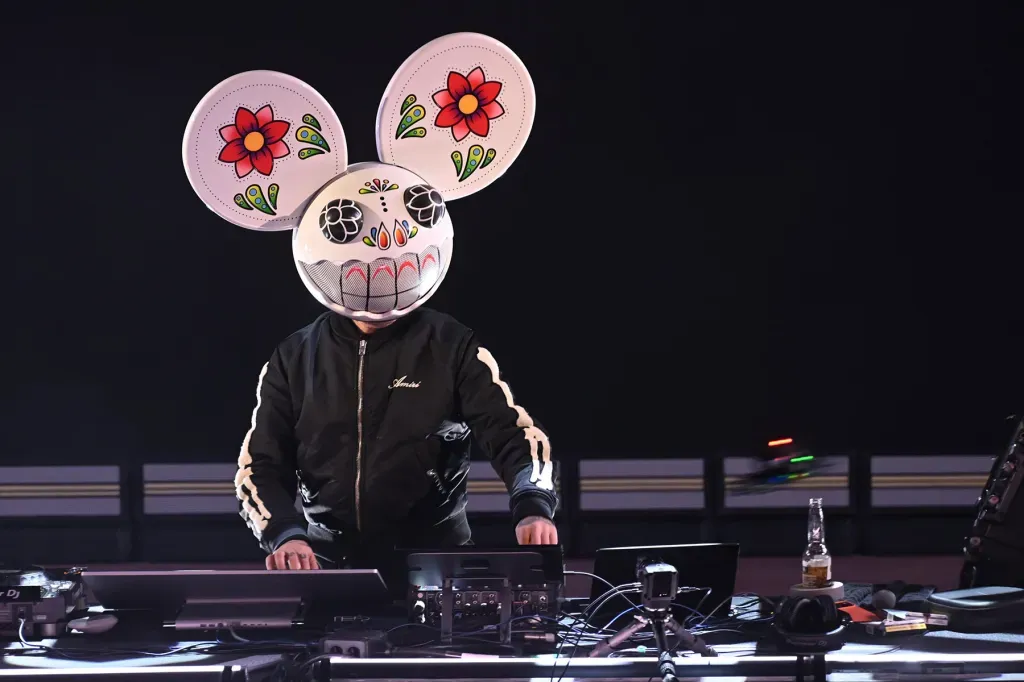
deadmau5 adopts Cathulhu after Humane Society plea, adding a fourth cat on June 16
The producer confirms he took in a new tabby during Adopt a Cat Month after a $30,000 rescue effort.