
Texas Rejected Alpha School's Charter Bid, Then Funded It via Vouchers
The state's education board called the AI-led model 'untested' and 'experimental.' A year later, the comptroller's office approved its private campuses for taxpayer-funded vouchers.

Alpha School, co-founded by MacKenzie Price, was rejected for a Texas charter last summer over its AI-led teaching model, but its private campuses were approved for the state's new voucher program, making it one of the largest chains in the initiative. The approval bypassed the education board's concerns, highlighting gaps in voucher oversight that could affect other states and operators.
Last summer, Texas's State Board of Education rejected Alpha School's bid to open a charter, with Republican board member Keven Ellis voicing skepticism about the AI-led model's claims of massive academic gains. A year later, the same company's private campuses are being funded by the state's new voucher program, making Alpha one of the largest private school chains in the initiative. The reversal is stark: the board had characterized the model as "untested" and "experimental," but the voucher program's gatekeeper never asked those questions.
Alpha didn't reapply to the education board. Instead, it went to the Texas comptroller's office, which runs the voucher program and checks only four criteria: operating in Texas, accreditation, two years in operation, and annual standardized tests. None of the concerns about the AI teaching model, test scores, or curriculum standards mattered, according to Travis Pillow, a spokesperson for the program: "Our role is to make sure that a school meets the requirements in the law." Democrat Tiffany Clark, who voted against Alpha's charter application, called it a "backdoor approach": "They said, 'You know what, we can't get in as a charter, but we can continue to be a private school and take these funds.'"
The expansion is striking. Alpha started with one campus in Austin and now has private schools in 17 states and Puerto Rico, with more than 30 virtual and in-person campuses in Texas alone. Co-founder MacKenzie Price and her husband Andy donated over $2 million to Texas legislators and PACs that helped pass the voucher program. The company's mission was supercharged four years ago when tech mogul Joe Liemandt poured $1 billion into the AI-guided platform, with a goal of reaching 1 billion students. The schools have attracted attention from Bill Ackman and Elon Musk, whose Starlink will be used to launch more Alpha schools.
Alpha's charter applications were rejected in multiple states. In North Carolina, a board member feared two hours of academics was "not nearly enough." In Utah, an official worried instructors might act more like "a life coach" than a teacher. Only Arizona said yes to a charter. Price acknowledged the difficulty in an Instagram post, saying "change is hard," but didn't mention that Texas was rolling out the voucher program that would benefit her schools. The company's model centers on students "crushing academics" in two hours a day, with AI software teaching lessons and human "guides" focusing on motivation and emotional support.
Education experts remain skeptical of Alpha's claims. MIT's Justin Reich said, "I don't believe their claims that typical students will see rapid improvements." Private schools can self-select affluent students, and they aren't required to share internal data, making it easy to cherry-pick positive examples. ProPublica and the Texas Tribune examined Alpha's outcomes among lower-income students and a charter partnership, finding either insufficient data or test scores that fell far short of the company's predictions. The experts interviewed noted that private schools aren't required to share internal data, so they can easily cherry-pick positive examples.
The Texas voucher program was designed with guardrails, but Alpha's acceptance shows their limits. The comptroller's office didn't require Alpha to meet state curriculum standards or demonstrate how its model would lead to student success. As ProPublica reported in July, private schools have multiplied alongside voucher programs, often with little oversight, leading to taxpayer dollars going to school leaders with histories of misuse or abuse. The Alpha case underscores that voucher eligibility criteria, focused on basic operational checks, may not evaluate educational quality.
Texas and Arizona appear to be the first states where Alpha's campuses have been approved for school choice programs, but the company could qualify in others. Alpha leaders didn't answer most questions from the newsrooms, including about test scores, but have defended their model in interviews and podcasts, claiming students rank in the top 1% to 2% nationally. The company's rapid growth and high-profile backers suggest a playbook for scaling private education with public funds, but the lack of verified outcomes raises questions about long-term sustainability and reputational risk.
For executives and boards in education and adjacent sectors, the Alpha story is a case study in regulatory arbitrage: when one gatekeeper rejects a model, another may welcome it if the criteria are narrower. The $2 million in political donations, the rapid expansion, and the high-profile backers suggest a playbook for scaling private education with public funds. But the skepticism from experts and the lack of verified outcomes raise questions about long-term sustainability and reputational risk, especially as voucher programs face scrutiny.
This story's Key Insights and Take-aways are locked.
Create a free account to unlock Executive Actions for one credit.
Register to UnlockAlways free for Executives Club members. Join the Club
More in Business
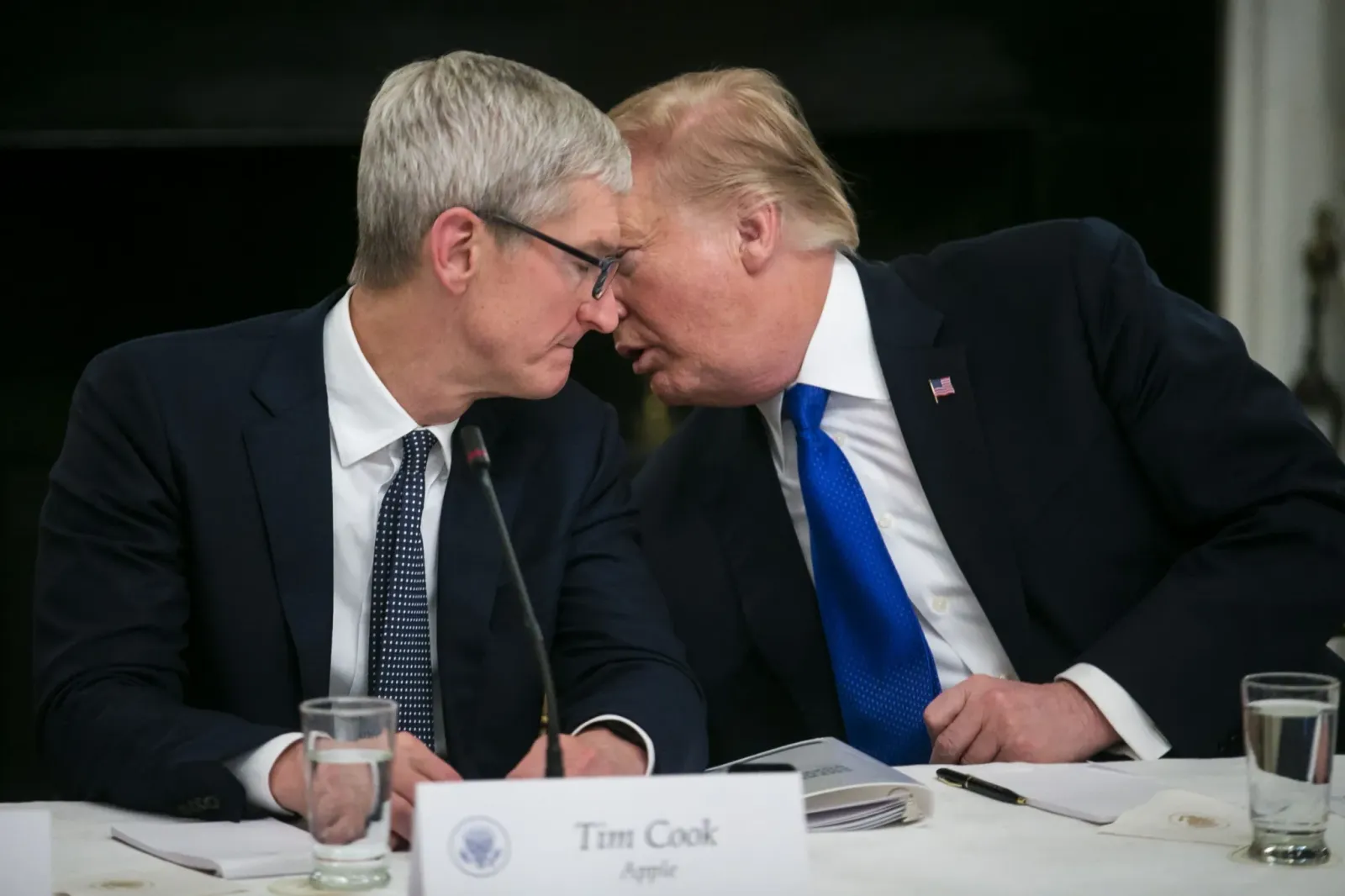
Tim Cook steps down as Apple CEO, stays on as chair with $45M equity
The 'Trump whisperer' keeps his White House and Beijing access as Apple navigates tariffs and a $4.6 trillion market cap.
Snowflake shares surge as AI data demand crushes estimates, lifting full-year forecast
Stocks jumped on stronger-than-expected guidance, signaling enterprise AI workloads are accelerating faster than Wall Street priced in.
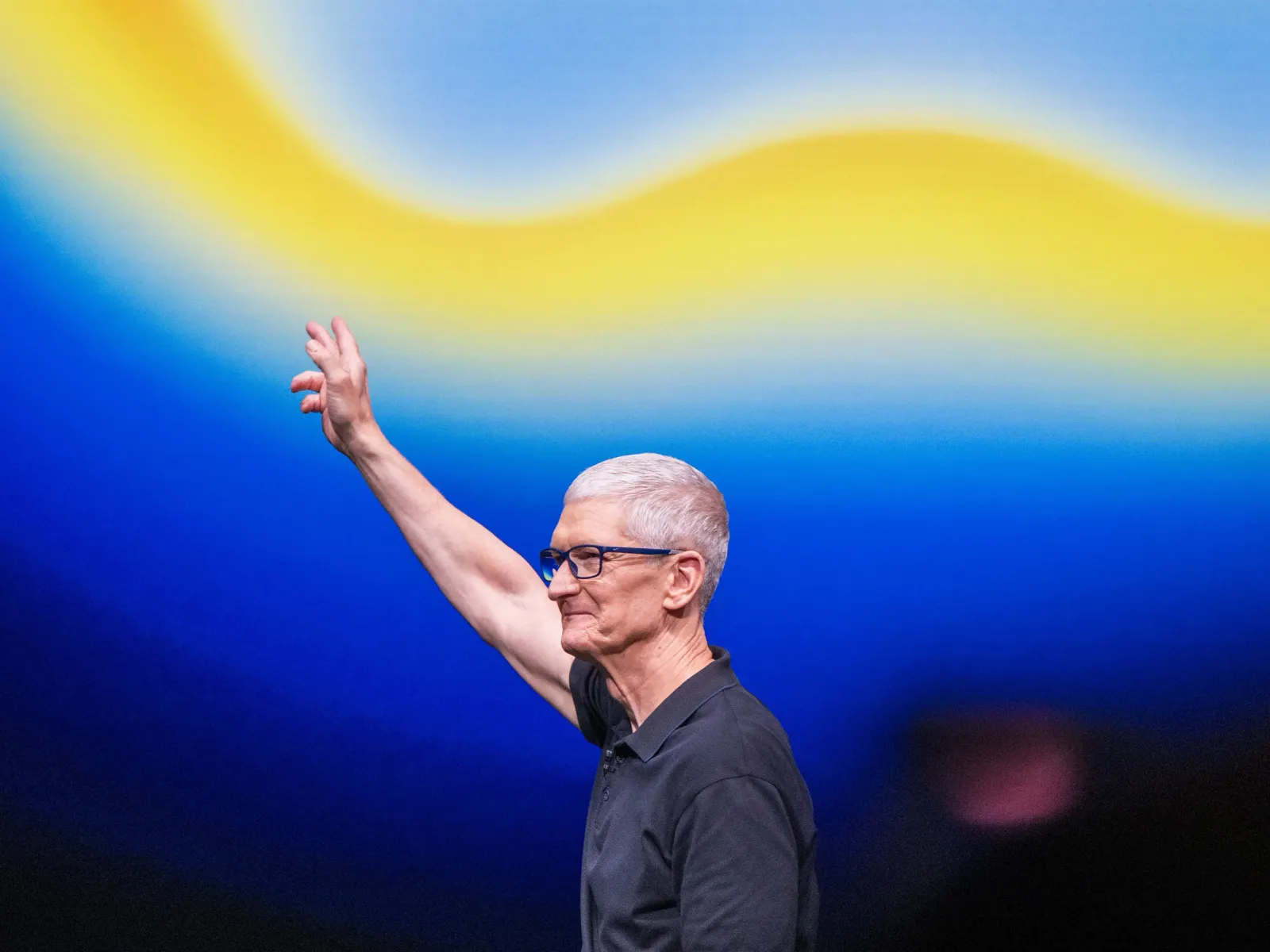
Tim Cook's 15-year Apple CEO run ends: 3 lessons for any successor
After 15 years, Tim Cook hands Apple to John Ternus - here's how he turned a $350B company into a $4.6T juggernaut.