
Thailand's tourist levy sparks backlash: hotels warn it will scare off backpackers
Industry groups say the proposed fee could hit budget travelers hardest, threatening a key segment of the country's tourism recovery.
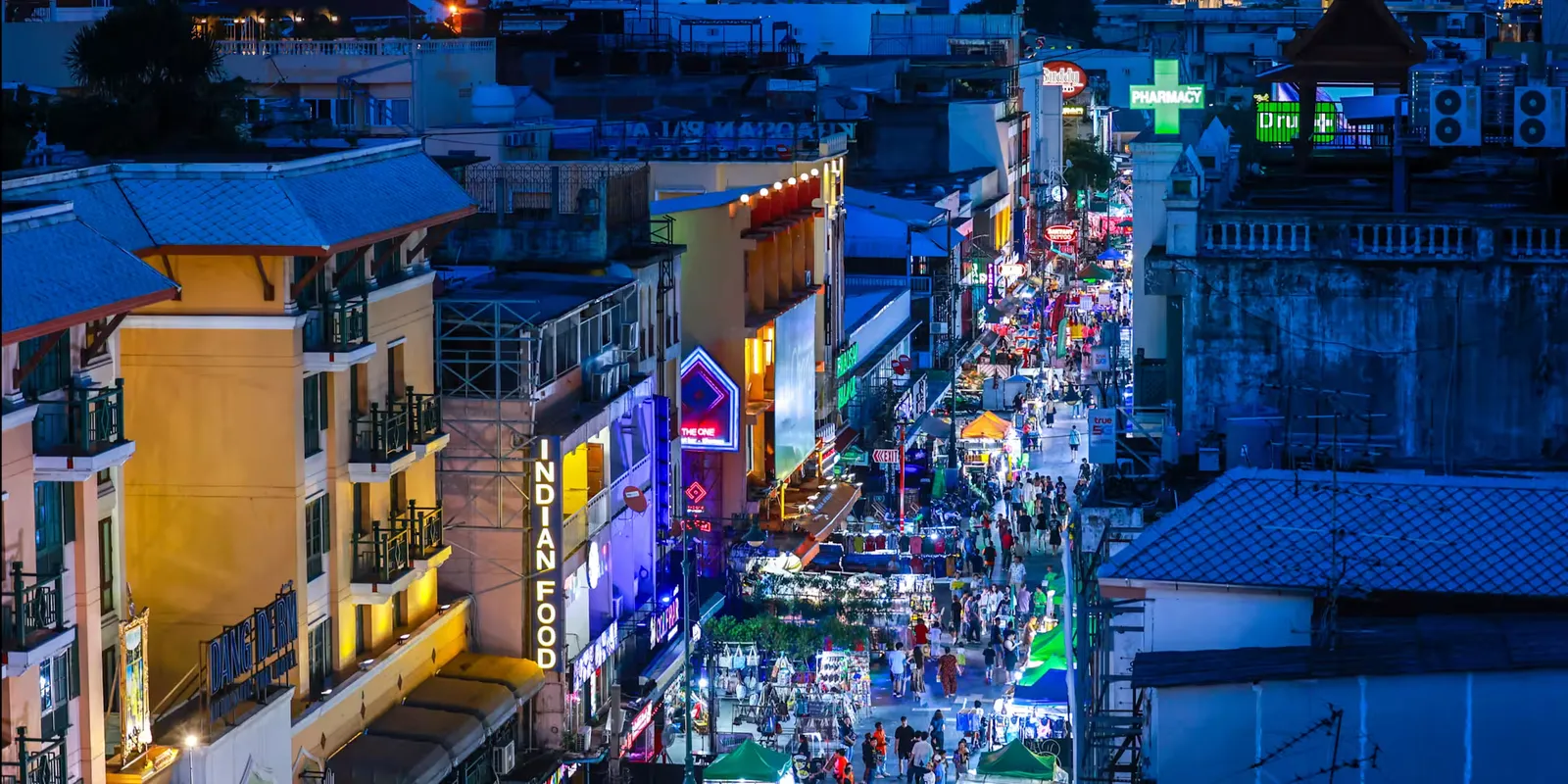
Thai hotel and restaurant associations are warning that a proposed visitor levy will deter backpackers, a crucial demographic for the country's tourism-dependent economy. The fee, intended to fund infrastructure and safety, risks undermining the price-sensitive segment that fuels much of Thailand's travel sector.
Thailand's tourism industry is pushing back against a proposed visitor levy, with hotel and restaurant groups warning that the added cost will drive away the backpackers who form a vital part of the country's travel economy. The warning comes as the government considers a fee on foreign arrivals, a measure designed to raise revenue for infrastructure upgrades and tourist safety programs. But industry leaders argue that the levy, even at a modest level, could tip the scales for budget-conscious travelers who already face rising costs for flights, accommodation, and food across the region.
The tourism sector is a cornerstone of Thailand's economy, accounting for roughly 20% of GDP and millions of jobs. Before the pandemic, the country welcomed nearly 40 million international visitors annually, with backpackers and budget travelers making up a significant share. These travelers often stay longer, spread spending across local businesses, and return multiple times, making them a high-value segment despite their lower per-day expenditure. The proposed levy, which has been floated at various amounts over the years, is now being revived as part of a broader push to boost revenue and improve tourist facilities. However, the timing could not be worse, as the industry is still recovering from the pandemic's devastating impact on arrivals.
The levy is not a new idea. Thailand has debated a tourist tax for over a decade, with previous proposals ranging from 100 to 500 baht per person. The current iteration, reportedly around 300 baht (roughly $8), would be collected on arrival or through airlines. Proponents argue that the fee is negligible compared to the overall cost of a trip and that it would fund essential services like medical insurance for tourists and upgrades to airports, roads, and national parks. They also point to similar taxes in other destinations, such as Bali's tourism levy and Japan's departure tax, as successful models. But critics counter that Thailand's competitive advantage lies in its affordability, and any additional cost could push budget travelers to neighboring countries like Vietnam, Laos, or Cambodia, where entry is cheaper and the backpacker trail is well established.
The backlash from hotel and restaurant associations is particularly sharp because these businesses rely heavily on the backpacker trade. Small guesthouses, street food vendors, and local tour operators often cater exclusively to this demographic, which tends to prioritize low costs over luxury. A 300-baht fee might not break the bank for a single trip, but for a traveler on a shoestring budget, it represents a meaningful chunk of their daily spending. Moreover, the levy could be perceived as a bureaucratic hurdle, especially if it requires advance payment or paperwork. The industry fears that the added friction will discourage spontaneous travel, a hallmark of the backpacker experience.
Beyond the immediate impact on arrivals, the levy could have longer-term consequences for Thailand's tourism brand. The country has long marketed itself as a budget-friendly destination, and any move that erodes that image risks alienating a generation of young travelers who are increasingly conscious of value. Social media amplifies these perceptions, and a single viral post about the fee could deter thousands of potential visitors. The industry also warns that the levy's implementation could be chaotic, with confusion over exemptions, collection methods, and enforcement. Thailand has a history of poorly executed tourism policies, and a botched rollout could damage the country's reputation for hospitality.
The government, for its part, has defended the levy as a necessary investment in the future of tourism. Officials argue that the revenue will help maintain the natural and cultural attractions that draw visitors in the first place, from the beaches of Phuket to the temples of Chiang Mai. They also note that the fee is modest compared to the overall cost of a trip and that it will be used to improve the tourist experience, not just line government coffers. However, the industry remains skeptical, pointing out that previous promises of infrastructure spending have often fallen short. The debate highlights a broader tension between short-term revenue needs and long-term competitiveness, a challenge that many tourism-dependent economies face as they seek to rebuild after the pandemic.
For now, the levy remains a proposal, and the government has not set a firm timeline for its introduction. But the industry's vocal opposition suggests that the battle is far from over. Hotel and restaurant associations are lobbying for a lower fee, exemptions for certain nationalities, or a delay until the tourism sector fully recovers. They are also calling for more transparency about how the revenue will be spent, hoping to build public trust and minimize backlash. The outcome will depend on the government's willingness to listen to the industry's concerns and its ability to design a policy that balances fiscal needs with the realities of a competitive global market.
The stakes are high. Thailand's tourism recovery is still fragile, and any policy that deters visitors could have a ripple effect across the entire economy. The backpacker segment, while often overlooked in favor of high-spending luxury tourists, is a critical engine of growth for small businesses and local communities. If the levy drives these travelers away, the impact will be felt far beyond the hotel lobby. It could undermine the very infrastructure projects the fee is meant to fund, creating a vicious cycle of declining revenue and deteriorating facilities. The industry's warning is not just about protecting profits; it is about safeguarding the future of a sector that millions of Thais depend on for their livelihoods.
In the coming months, the government will need to decide whether to push forward with the levy or heed the industry's calls for caution. The decision will send a signal about Thailand's priorities and its understanding of the travel market. For now, the hotel and restaurant associations are making their case loudly and clearly: a tourist tax, however well-intentioned, could do more harm than good. As the debate unfolds, the world will be watching to see if Thailand can find a solution that satisfies both the treasury and the travelers who keep its tourism industry alive.
This story's Key Insights and Take-aways are locked.
Create a free account to unlock Executive Actions for one credit.
Register to UnlockAlways free for Executives Club members. Join the Club
More in Business

Tim Cook steps down as Apple CEO, stays on as chair with $45M equity
The 'Trump whisperer' keeps his White House and Beijing access as Apple navigates tariffs and a $4.6 trillion market cap.

Snowflake shares surge as AI data demand crushes estimates, lifting full-year forecast
Stocks jumped on stronger-than-expected guidance, signaling enterprise AI workloads are accelerating faster than Wall Street priced in.

Tim Cook's 15-year Apple CEO run ends: 3 lessons for any successor
After 15 years, Tim Cook hands Apple to John Ternus - here's how he turned a $350B company into a $4.6T juggernaut.