
The Matt Mercer Effect myth is ruining RPG first games, and it starts with session zero
The fix is not finding a better voice actor. It is setting expectations before anyone sits down to play.
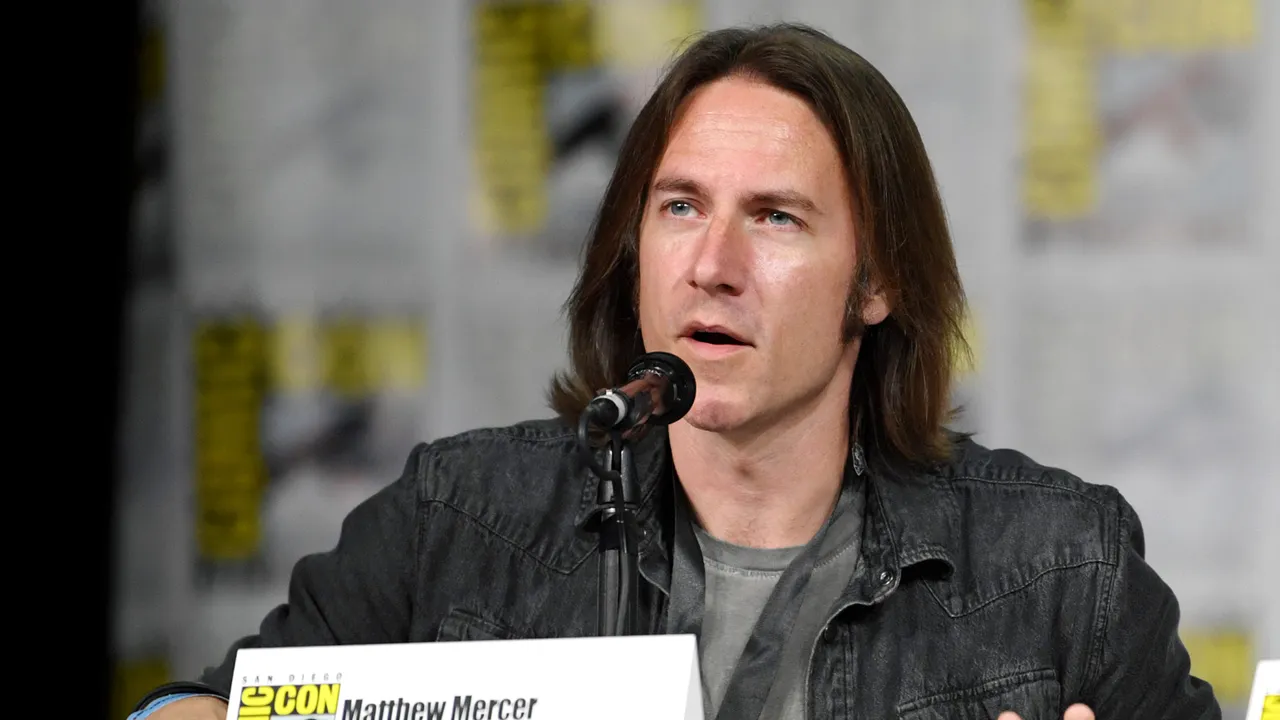
PC Gamer argues the so-called “Matt Mercer Effect” is a mismatch of expectations, not a curse caused by actual-play series. The consequence for decision-makers is clear: the biggest determinant of a great RPG experience is session zero, not Matt Mercer-adjacent benchmarks.
PC Gamer makes a clean case: there is no “Matt Mercer Effect” the way internet headlines frame it. Yes, actual-play shows like Critical Role (and others such as Dimension 20, The Adventure Zone, Acquisitions Incorporated, and Baldur's Gate 3 Dungeon Masters Neil Newbon and Devora Wilde) can elevate expectations. But the real problem is simpler and older than any algorithm: people start games with assumptions that were never negotiated.
The article traces how the “Mercer Effect” claim works. It suggests that actual-play series are a bad introduction to roleplaying because they set “dangerously high expectations,” leading new players to leave frustrated when their Game Master is “just an ordinary human GM.” The piece counters this directly, saying the disappointment people report is not newly invented by Matt Mercer’s fame. It was happening “for decades,” long before anyone made a living as a professional Dungeon Master, and it often boils down to one thing you either did or did not do: session zero.
So what is session zero? It is the part before the game where everyone gets on the same page about what kind of game they are about to play. PC Gamer describes it as the moment to align on whether the table will emphasize action or roleplaying, whether player-versus-player conflict is allowed, what house rules will be used, and whether topics like adversarial play, romance, and safety tools will be handled and how. The point is not to be formal. It is to prevent “when play begins” surprises. If you do this up front, the game can run smoother because expectations were already negotiated.
The article also highlights why session zero often gets skipped. Traditional setups like “the back room of a game shop” might not have time for it. Some groups do not have the luxury of a planned pregame. Others are friend-driven, like a game run by a friend’s brother who only lets newcomers join because his parents made him. In other words, the onboarding process is frequently improvised. And when it is improvised, the probability of expectation mismatch goes up.
This matters because the downside of roleplaying is not just “the GM wasn’t as good as you hoped.” The article emphasizes that trust is core to tabletop roleplaying, and safety is part of that trust. It points to the nightmare scenarios that show up in real community discussions, including the kinds of content a player might be forced to handle at a table without adequate preparation. PC Gamer references a RPGNet topic about “the Creepiest Person You Ever Gamed With,” noting it reached 3,000 posts and split into six subthreads. The message is blunt: if session zero is missing, players can end up in games where they are unprepared for what the table will do.
PC Gamer’s argument also explains why the internet fixates on Mercer. Over the years, Reddit and the YouTube algorithm have allegedly been “vomiting headlines” like “How to beat the Matt Mercer effect” and “The Mercer Effect is real and can be extremely toxic to your game.” But the article says these rants usually end with the same revelation: the game was run for strangers, often at a local game store, without session zero. The “pickup introductory sessions” can exist in game shops and comics shops, and yes, it is nice that a curious person can try it in the back room and buy a rulebook on the way out. Still, PC Gamer calls this “almost always a terrible first experience.” The reason is not that Matt Mercer is haunting your campaign. It is that the first contact with the hobby is missing a key process.
For executives and operators thinking about communities, onboarding, and retention, the second-order implication is obvious even if the article is talking about dice and goblins: content can change expectations, but systems determine outcomes. Actual-play shows may raise the bar for storytelling polish, voice performance, and tone. Still, the practical determinant of whether a newcomer feels welcome or blindsided is how the group handles pre-alignment. If a table does not define tone, boundaries, and what kind of play is expected, disappointment is not a mystery. It is baked in.
PC Gamer closes by stressing the inevitability of expectation vs reality. People who want more roleplaying can be let down when the session turns into “just another dungeon crawl.” That reaction “is not a new phenomenon,” and the article connects it to its own early experience, where the only preparation came from ads in comics and scripted adventures with names like Arthur and Samantha. The takeaway for any community leader is that the onboarding problem is not a celebrity problem. It is a session design problem. Get session zero right, and you can let actual-play fandom be inspiration instead of a trap.
This story's Key Insights and Take-aways are locked.
Create a free account to unlock Executive Actions for one credit.
Register to UnlockAlways free for Executives Club members. Join the Club
More in Entertainment
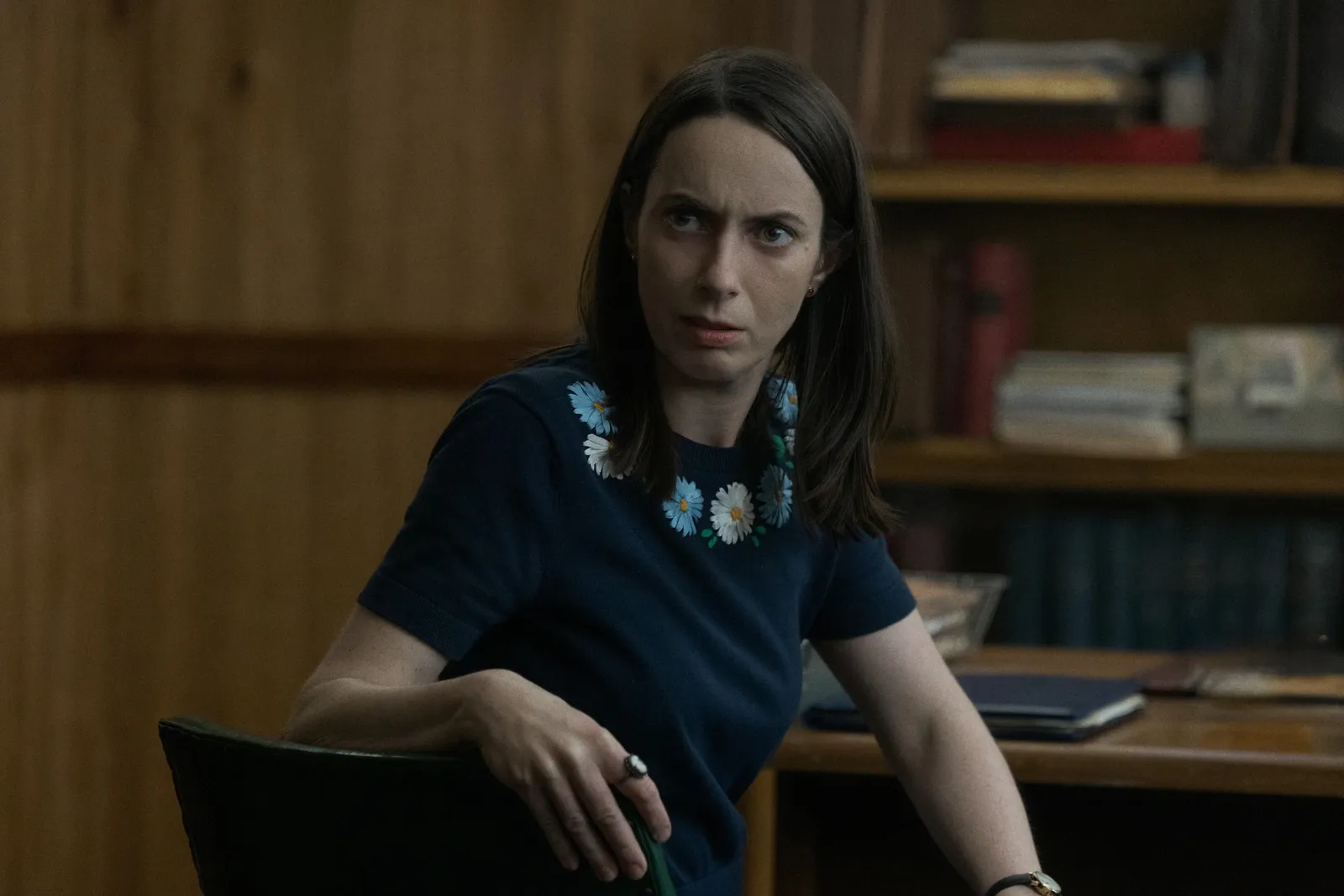
Widow's Bay season 1 ends with Mayor Tom Loftis' tourist gambit detonating into chaos
Director Hiro Murai explains the ending, the fallout of Tom Loftis' scheme, and the season 2 teaser direction.

Michael Sarnoski targets 2027 Death Stranding shoot, with overlapping characters from the games
A script second draft plus an Iceland and Northern Ireland plan signals momentum, while the “overlapping characters” tease answers the fan question.

Netflix drops Enola Holmes 3 with Henry Cavill in two weeks
A fast turn back to streaming gives Cavill a franchise reset before Highlander hits next year.