
Tim Schafer: 'No One Puts Double Fine Out of Business Except for Me'
After Xbox divested Double Fine, founder Tim Schafer reveals how he fought to keep the studio alive and independent.
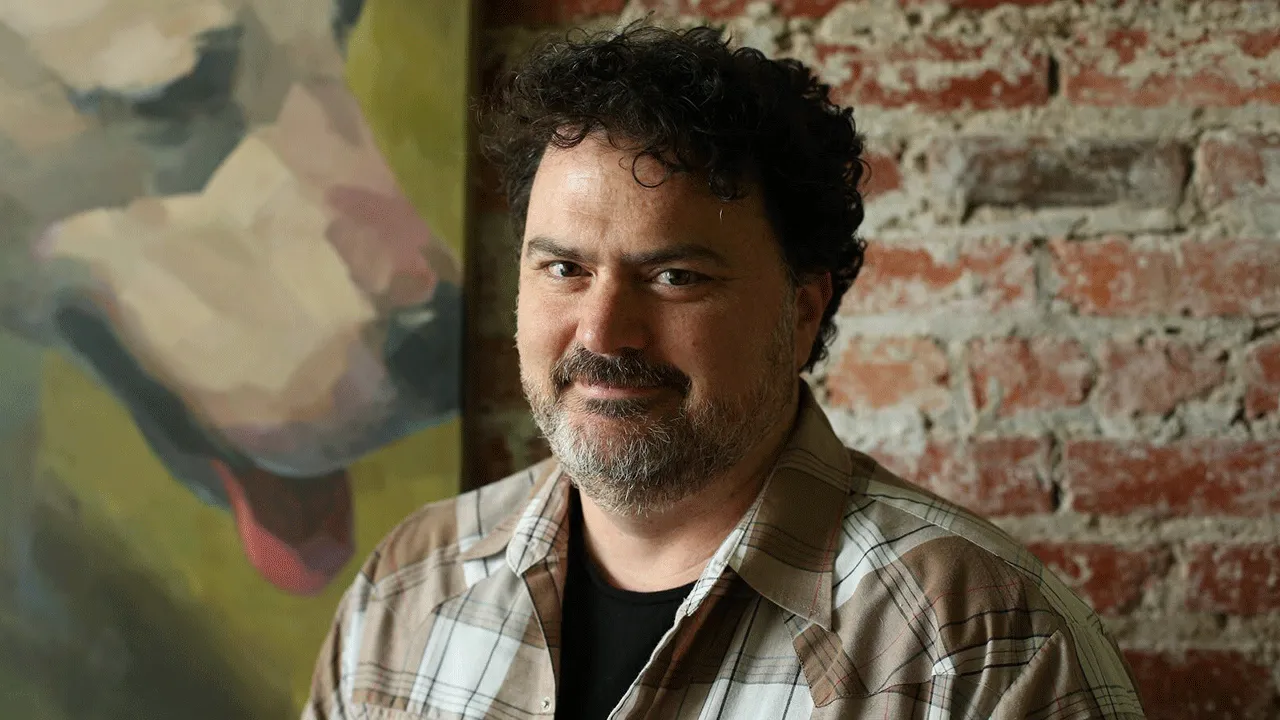
Tim Schafer, founder of Double Fine, responded defiantly after Xbox divested the studio during its restructuring, vowing to keep it alive. The studio retained its IP and became independent, but laid off a quarter of its staff, underscoring the brutal tradeoffs of corporate divestment.
Tim Schafer, the founder of Psychonauts developer Double Fine, is not going quietly. In a September 2026 interview with Bloomberg's Jason Schreier, Schafer addressed Xbox's decision to divest the studio as part of its massive restructuring this summer. His response was characteristically defiant: "No one puts Double Fine out of business except for me." The quote, delivered with Schafer's signature wit, masks a serious reality: the studio survived, but not without scars. Double Fine retained its intellectual property and became fully independent, yet it had to lay off a quarter of its staff to make the transition work. For Schafer, the fight was personal. "You're like, 'Wait a second, we're not going out like this,'" he said, describing the moment he realized what was coming. "Some people said, 'I'm checking out, this is one too many battles for me.' But for the rest of us, it's like a creative awakening." The divestment was part of a broader shake-up at Xbox under CEO Asha Sharma, who has been tasked with making the company profitable again. The restructuring included massive layoffs affecting roughly 3,200 employees, a stark reminder of the human cost of corporate realignment. Schafer's experience offers a case study in how founders can navigate the chaos of being cut loose by a parent company. He admitted he knew something was up before the official announcement, but he refused to let the studio fade. "Asha's not going to shoot my dog. I'm going to shoot it. But I'm not going to shoot it, because it's going to do great. A lot of people want to walk the dog," he said, in a characteristically colorful metaphor that underscored his determination to control Double Fine's fate. The studio is already moving forward, recently launching a Kickstarter for its next project, with a cheeky addendum: if it raises $100 million, they'll also make Brutal Legend 2. That kind of humor belies the toll the process took. "We've been through a lot this year," Schafer told Schreier. "A lot of it is very soul-sucking stuff. Inner conflict, threats of extermination, long negotiations, strenuous hard tradeoffs with lawyers. Tons of demoralizing stuff." Yet Schafer says the ordeal has reignited the team's creative spark. "This is the good fight. Can we think of a great idea for a game that we can actually do for the right budget, that can get to this publisher who's interested in these types of games? This kind of problem-solving is soul-enriching. Using creativity to solve problems is what gets us up in the morning. So it is hard, and it is scary and it is stressful, but it's at least putting some fire back into the bellies of the team and me," he said. The divestment also freed Double Fine from platform constraints. The studio shadow dropped Keeper, a formerly Xbox-exclusive title, on PlayStation 5, signaling a new era of multi-platform reach. For executives watching from the sidelines, Schafer's story is a masterclass in resilience: when a parent company cuts you loose, the key is to retain your core assets, control your narrative, and find a path to independence that preserves your team's spirit. It's a reminder that divestment, while painful, can be an opportunity for reinvention - if the leadership has the stomach for the fight.
This story's Key Insights and Take-aways are locked.
Create a free account to unlock Executive Actions for one credit.
Register to UnlockAlways free for Executives Club members. Join the Club
More in Business
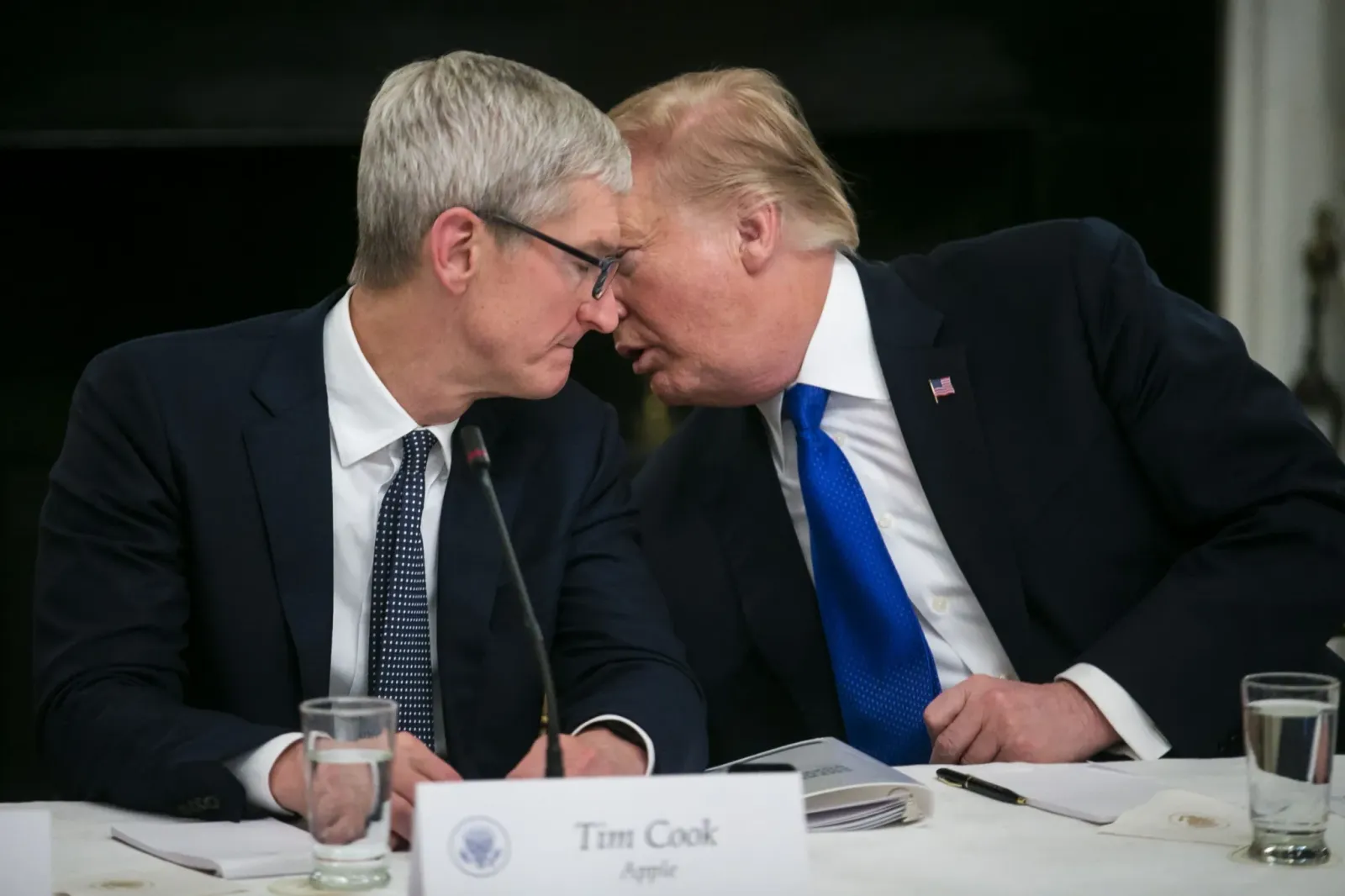
Tim Cook steps down as Apple CEO, stays on as chair with $45M equity
The 'Trump whisperer' keeps his White House and Beijing access as Apple navigates tariffs and a $4.6 trillion market cap.

Snowflake shares surge as AI data demand crushes estimates, lifting full-year forecast
Stocks jumped on stronger-than-expected guidance, signaling enterprise AI workloads are accelerating faster than Wall Street priced in.
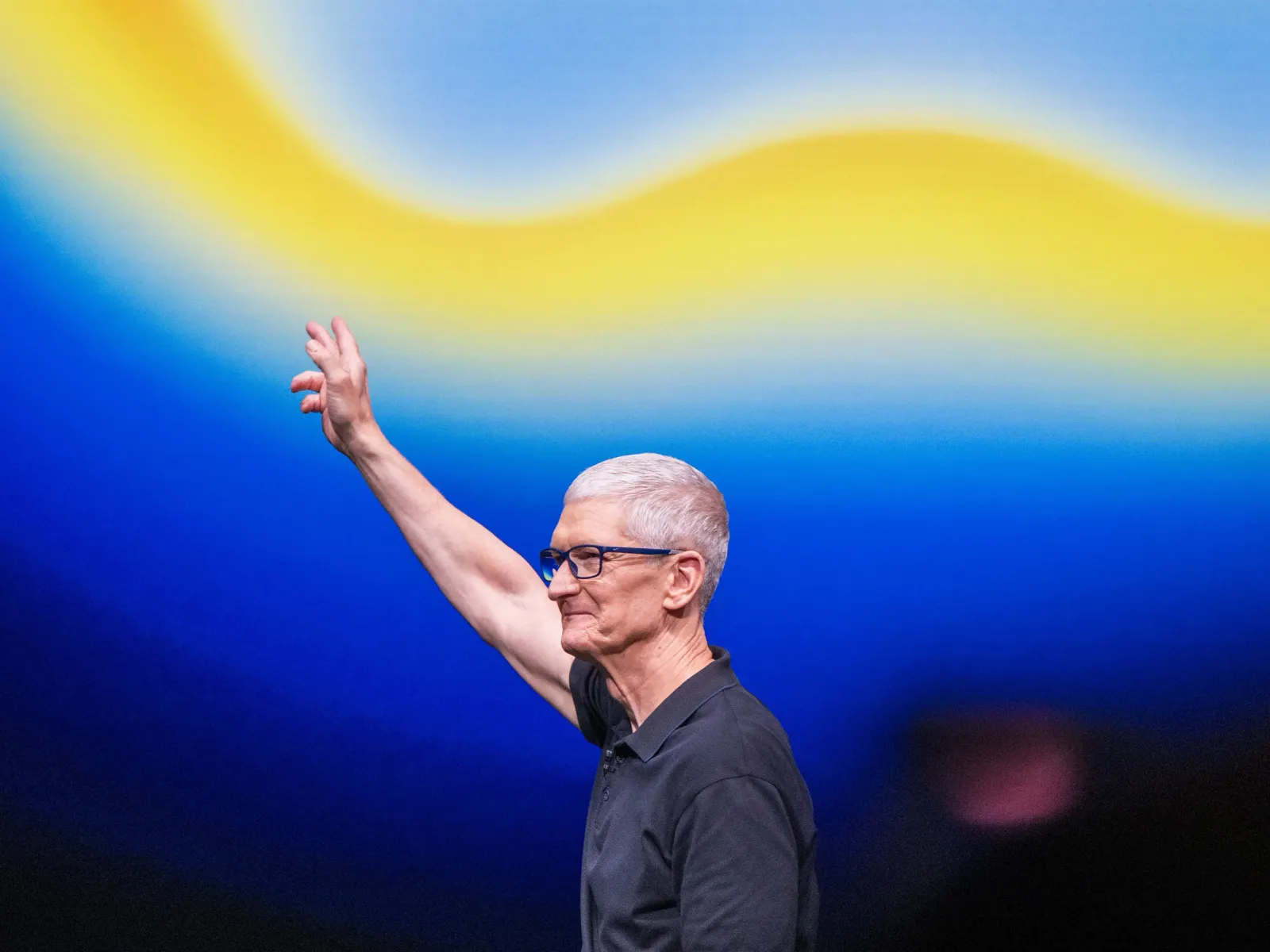
Tim Cook's 15-year Apple CEO run ends: 3 lessons for any successor
After 15 years, Tim Cook hands Apple to John Ternus - here's how he turned a $350B company into a $4.6T juggernaut.