

Trump announces nuclear deal with Saudi Arabia as Tehran pressure continues
The bargain with Riyadh is framed as a hedge against Iran, but it has Gulf-wide and US political risk baked in.
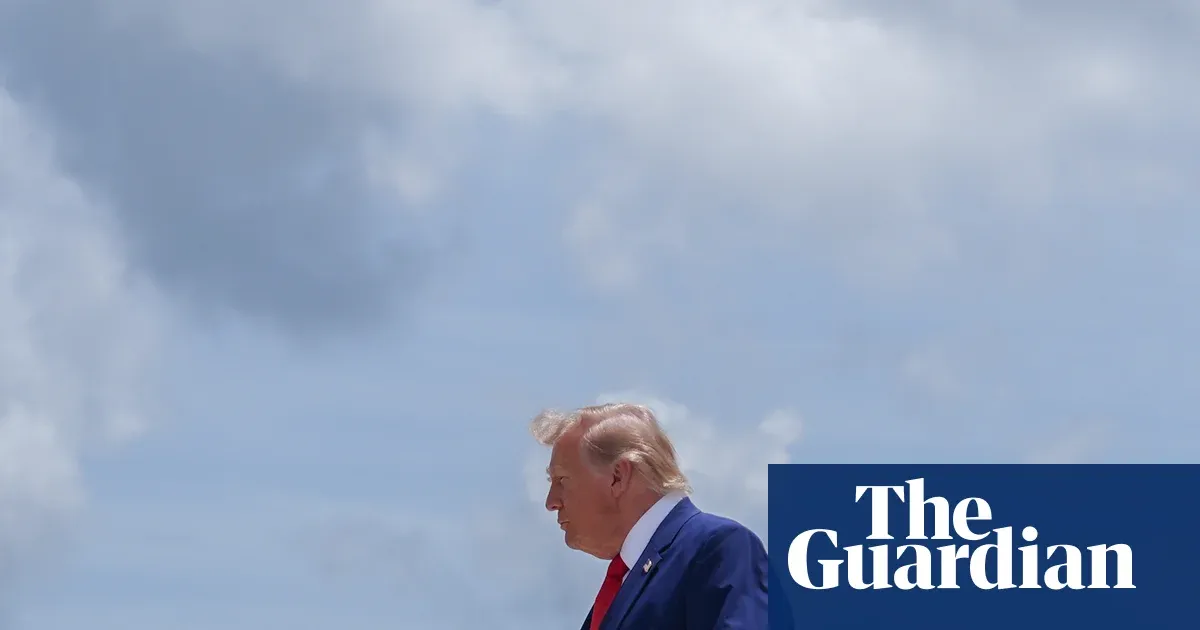
Donald Trump announced a nuclear deal with Saudi Arabia while pressing efforts to stop Tehran from developing a nuclear weapon. The move puts US policymakers and Gulf governments in a politically volatile spotlight, shaping how the agreement is received at home and across the region.
Donald Trump has announced a “landmark” nuclear deal with Saudi Arabia while also pushing ahead with efforts aimed at stopping Tehran from developing a nuclear weapon. That combination is the story. It is not just a Riyadh headline. It is an attempt to thread a needle: secure a major Middle East partner with a high-stakes nuclear arrangement, while still treating Iran’s nuclear ambitions as the overriding security threat.
In a conversation on The Guardian’s Middle East podcast, Jonathan Freedland speaks with Robert Jimison, who covers Congress for the New York Times with a focus on defense and foreign policy. The immediate question is what’s driving Trump’s new agreement with Riyadh, and the follow-up is just as important for decision-makers: how will it land in the US politically, and how will it be received across the Gulf? The podcast frames the nuclear deal as both a diplomatic instrument and a domestic political problem, which is exactly where nuclear policy tends to live. Nuclear initiatives rarely stay inside the foreign-policy lane. They collide with Congressional scrutiny, alliance management, and public opinion.
So what does the agreement actually do, at least in broad terms? Jimison is brought in to walk through what the deal contains. That matters because “nuclear deal” can mean a range of arrangements, from cooperation on civilian nuclear energy to frameworks that touch security commitments and monitoring. The reason this distinction is crucial is that the same words that might sound technical in a treaty can become political dynamite in Congress. For example, any US nuclear-related arrangement with a country like Saudi Arabia inevitably triggers questions that US lawmakers and watchdogs typically ask: What safeguards are in place? What limits exist? How does it reduce proliferation risks rather than increase them?
And the proliferation risk is the second half of the equation that Trump is leaning on. The podcast notes that Trump is pressing efforts to stop Tehran from developing a nuclear weapon. That is not a side quest. It is the core security lens. In executive-briefing terms, the strategic logic looks like this: if you treat Iran as the urgent nuclear threat, then any Gulf arrangement that moves Saudi Arabia closer to nuclear capabilities has to be justified as either stabilizing, tightly constrained, or part of a broader regional strategy. If opponents think it is not, they will argue that the Saudi deal could widen incentives for proliferation in the region, even if the stated goal is to counter Iran.
The political challenges are therefore not hypothetical. Jimison discusses the political hurdles the agreement could face, including how it might be received at home and across the Gulf. That dual reception problem is a common pattern in US diplomacy: an initiative can be sold abroad as a strategic step, but at home it can become a referendum on US leadership, alliance bargaining, and the credibility of the administration’s Iran policy. Across the Gulf, reception can also diverge. Some states may view Saudi Arabia as a central stabilizing actor, while others may worry about regional arms dynamics. Even without getting into the specifics of the “what” inside the deal, the podcast’s framing makes the stakes clear: the agreement is a catalyst for regional debate.
There is also a market and operational subtext to nuclear deals that executives and boards tend to underestimate until they get burned. These deals are not just diplomacy. They can shape long-run procurement and energy planning. They can influence how companies assess regulatory pathways, supply-chain risk, and compliance costs, particularly for firms tied to energy infrastructure, advanced technology, or government contracting. Even when the immediate announcement is a political move, the long tail can affect how stakeholders price risk and plan capacity.
The second-order implication is that any mismatch between the deal’s promised constraints and the perceived trajectory of regional capabilities can become an accelerant for domestic backlash. If critics argue that the Saudi agreement undercuts the administration’s Iran objective, Congress can become more obstructive, hearings more hostile, and implementation more complicated. Conversely, if supporters argue the deal strengthens deterrence or improves leverage over regional actors, the administration can gain political oxygen, which makes future negotiations easier.
For peers in government-adjacent roles, the strategic lesson is less about which side wins a talking point and more about timing and narrative control. Trump’s announcement is trying to keep two tracks running at once: a Saudi nuclear arrangement and a push against Iran’s nuclear ambitions. When both are framed together, each becomes the other’s credibility test. If the Iran pressure falters, skeptics will treat the Saudi deal as a distraction. If the Saudi deal triggers backlash across the Gulf, skeptics will claim the administration is trading security for symbolism. The podcast centers that tension because it is the tension that determines whether this landmark nuclear deal becomes a durable policy tool or a political liability that gets stuck in review, delay, and dispute.
This story's Key Insights and Take-aways are locked.
Create a free account to unlock Executive Actions for one credit.
Register to UnlockAlways free for Executives Club members. Join the Club
More in Politics

LA County: DOJ's 20,000 'noncitizen' voter list is 'unreliable,' includes U.S.-born
Preliminary review by Los Angeles County election officials finds errors in the federal list, raising the stakes for voter roll integrity ahead of November.

Trump's $1.5B Pentagon chip investment lands in North Carolina
A $1.5 billion defense infusion for North Carolina chipmaking signals a new era of Pentagon-backed reshoring - here's what it means for the industry.

Nigeria confirms first Ebola case in Abuja, a woman just off a Uganda flight
Health Minister Muhammad Ali Pate says the patient flew in from Uganda, putting Africa's latest outbreak on Nigeria's doorstep.