

Trump pivoted from a little-known pick to Lindsey Graham’s sister after talks with McMaster
A grieving Trump’s backing shifted quickly, showing how GOP Senate nominations can turn on private conversations, not just politics.
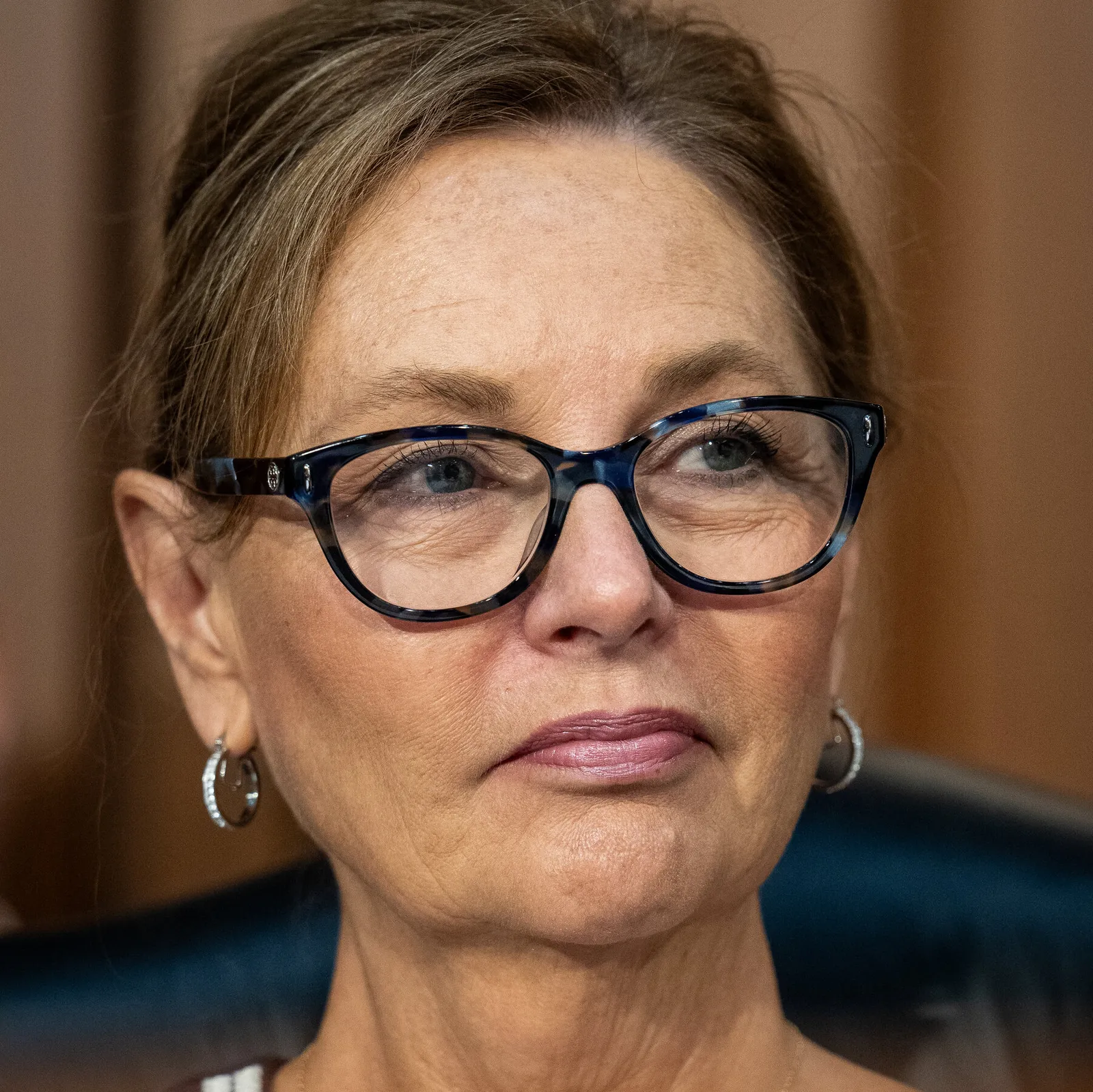
President Donald Trump initially backed a little-known congressman before shifting to Lindsey Graham’s sister. The pivot followed conversations with Gov. Henry McMaster and Ms. Graham herself, reshaping the Senate nomination dynamics around the Graham family.
President Donald Trump initially backed a little-known congressman. Then he talked to Gov. Henry McMaster and Ms. Graham herself, and the backing shifted toward Lindsey Graham’s sister.
That sequence matters because it is not just a personal story. It is a window into how high-stakes political decisions actually get made, especially when the official public narrative can lag behind the real mechanics of influence. In this case, Trump’s support did not appear to solidify purely through initial party positioning or name recognition. It moved after direct conversations with two parties who carry different kinds of weight inside Republican politics: a sitting governor, Henry McMaster, and Ms. Graham herself, tied to a senator whose network and brand can shape outcomes for years.
If you run a company or sit on a board, you already know the pattern: early signals set expectations, but the final decision often reflects a second round of stakeholder engagement. Politics runs on the same basic logic. The initial backing of a relatively obscure congressman is the kind of move that can look tidy in the moment, like a tactical allocation of support. But when a president later adjusts course after private dialogue, it tells everyone watching that the decision is responsive to relationships, timing, and what insiders call “ground truth” from key players.
To understand the stakes, zoom out to how Senate races work in the US system. State and national actors coordinate around turnout, messaging, and candidate viability. A governor can bring statewide credibility and operational muscle. A family connected to a sitting senator can bring institutional knowledge, donor confidence, and alliance signals across the party. In the background, party leadership must also worry about coherence: if nominations feel chaotic, voters notice, donors question, and local candidates wonder whether the national party is actually steering or just reacting.
Now layer in the “grieving Trump” framing from the original reporting. Grief does not just change how someone feels. It changes how someone prioritizes. In politics, priorities shape which conversations happen, which advisers get heard, and which endorsements become pivotal. Even without adding any new facts beyond what is in the source, the reported pivot implies that Trump’s thinking was not locked to the first choice. He was open to recalibration after discussions with McMaster and Ms. Graham.
That kind of recalibration has second-order implications. For Republican actors downstream, the message is clear: early information is not the final word. If you are a donor, campaign operator, or local official trying to plan staffing and messaging, you have to build scenarios, not single-threaded plans. If you are advising a candidate, you have to assume that the president’s support could change after targeted outreach from specific intermediaries.
There is also the strategic implication for how peers interpret presidential backing. When a president publicly or informally backs someone, the rest of the field interprets that as a risk assessment. A shift toward Lindsey Graham’s sister suggests that the Graham family’s influence and connection to the broader network of Senate power carried enough weight to move the president past his initial inclination toward a “little-known congressman.” That matters because Senate power is not just about winning one seat. It is about committees, legislative agenda control, and how quickly leadership can mobilize when Congress turns.
For decision-makers, the biggest takeaway is behavioral: follow-on conversations with high-signal stakeholders can override first-pass expectations. Boards and executives routinely see it in corporate life when a planned initiative gets altered after meetings with the right counterparties. Politics is no different, just with higher attention and faster reputational feedback loops.
So what should executives and operators in adjacent worlds take from this? If you work at the intersection of business and government, you know that political decisions can determine regulatory tempo and policy direction. Senate nominations influence which lawmakers show up ready to lead on certain issues, which coalitions gain traction, and which agendas move. The reported pivot, driven by talks with Gov. Henry McMaster and Ms. Graham herself, is a reminder that the “who gets backed” question can change quickly, and the people who matter are often the ones who can translate relationships into momentum.
This story's Key Insights and Take-aways are locked.
Create a free account to unlock Executive Actions for one credit.
Register to UnlockAlways free for Executives Club members. Join the Club
More in Politics

LA County: DOJ's 20,000 'noncitizen' voter list is 'unreliable,' includes U.S.-born
Preliminary review by Los Angeles County election officials finds errors in the federal list, raising the stakes for voter roll integrity ahead of November.

Trump's $1.5B Pentagon chip investment lands in North Carolina
A $1.5 billion defense infusion for North Carolina chipmaking signals a new era of Pentagon-backed reshoring - here's what it means for the industry.

Nigeria confirms first Ebola case in Abuja, a woman just off a Uganda flight
Health Minister Muhammad Ali Pate says the patient flew in from Uganda, putting Africa's latest outbreak on Nigeria's doorstep.