
Trump pressures ICE to restart vehicle stops after NYT-linked halt over fatal shootings
ICE paused most vehicle stops nationwide, then faced White House pressure to reverse course after fatal shootings.
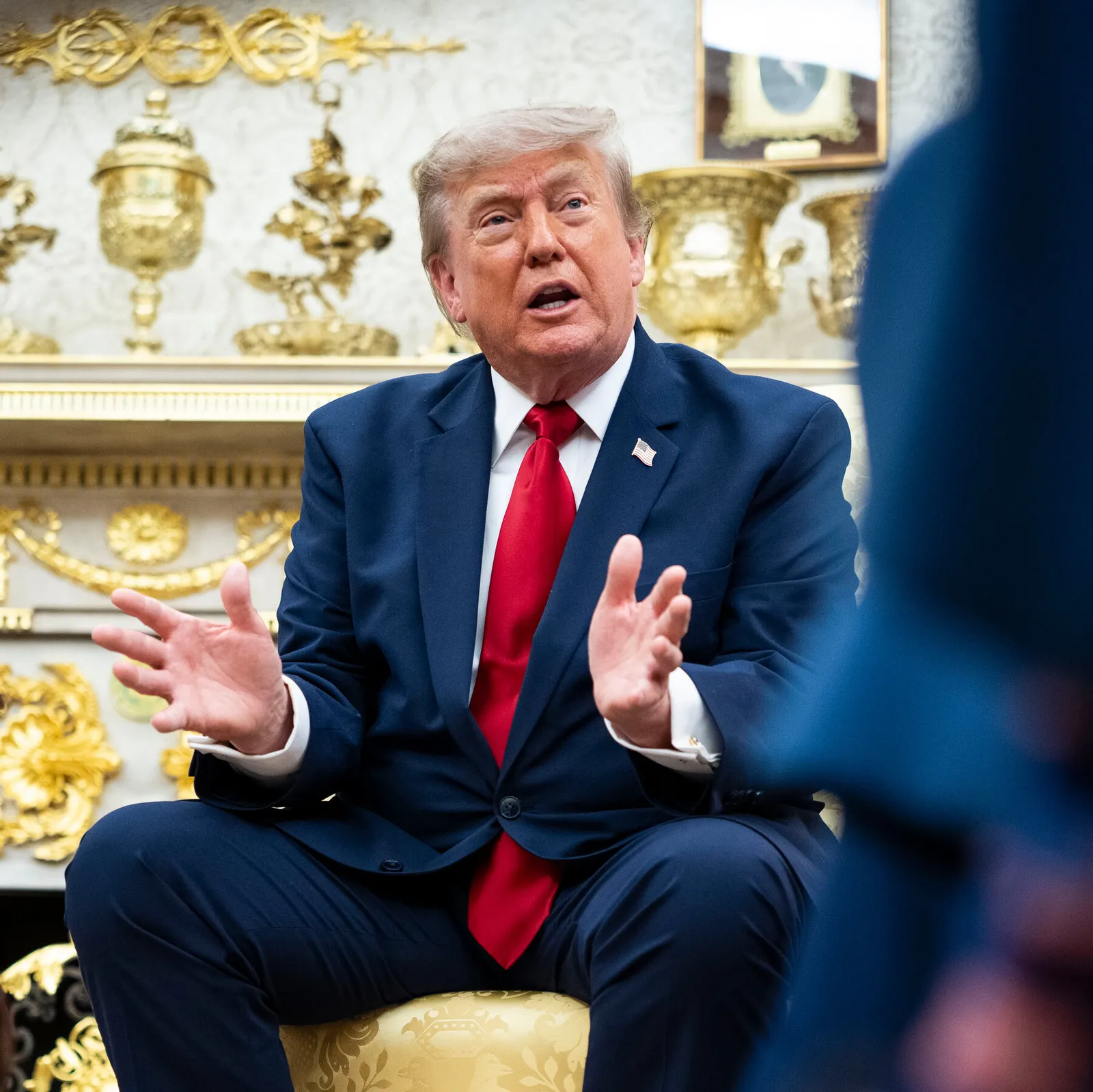
Immigration and Customs Enforcement ordered officers on Tuesday to halt most vehicle stops after shooting two people over the past week. The consequence for decision-makers is a rapid policy reversal risk, with downstream legal and operational uncertainty for the agencies and anyone dependent on immigration enforcement systems.
Immigration and Customs Enforcement (ICE) ordered its officers on Tuesday to halt most vehicle stops across the country after it shot two people over the past week. That is the key fact: the enforcement posture moved from routine traffic-interdiction to a broad pause after fatal force incidents.
What matters just as much is what came next. The New York Times headline frames the pivot as pressure from Donald Trump to resume those traffic stops after they were halted. In other words, even though ICE made a safety and operational decision following the shootings, the policy direction appears to have been contested at the highest political level, turning a tactical halt into a national political signal.
To understand why this sequence is so consequential, you have to zoom out to how vehicle stops function in immigration enforcement. Vehicle stops are a common frontline mechanism for identifying people who may be removable under immigration law, and they can be used for follow-on investigations. When stops are halted broadly, the “pipeline” of leads slows down. When stops are resumed, that pipeline restarts quickly, but not without friction. Executives and operators in government-adjacent roles, contractors, legal compliance functions, and firms that provide services tied to enforcement activity all feel the shock when operational rules flip abruptly.
ICE is operating in a high-stakes environment where decisions are evaluated across multiple dimensions: officer safety, public safety, statutory authority, and the legal exposure that follows the use of force. A fatal shooting changes the equation immediately. After shootings, agencies typically face scrutiny that can come from courts, oversight bodies, and political actors. Even if the underlying enforcement authority remains the same, the agency may pause tactics to reassess. That pause can be temporary, but it signals that the tactic might be under review.
That is where White House pressure becomes the second-order issue. When political leadership pushes for a faster restart, it can create tension between operational caution and enforcement urgency. For boards and senior leadership teams, the pattern is familiar even outside immigration: risk management pauses can be overridden by top-level objectives, which then forces downstream teams to execute under heightened scrutiny. In this case, the teams are ICE officers and supervisors; the scrutiny is likely to be legal, political, and media-driven because the catalyst is fatal.
There is also a communications and legitimacy component. A national halt after shootings functions like an implicit statement that something about the immediate tactic or circumstances needs stabilization. Resuming that same tactic due to pressure can be framed by supporters as restoring enforcement momentum, but by critics as undermining safety safeguards. Executives do not need to pick a side to see the operational reality: public trust and legal risk both change when the policy narrative whipsaws.
Finally, the strategic stakes for peers in similar roles are about managing uncertainty. If your organization touches immigration enforcement systems, advocacy networks, detention logistics, legal processing, or compliance reporting, a policy pause and restart can ripple through scheduling, staffing, and workflows. Even people who do not work for ICE have exposure to the downstream effects, because immigration enforcement is interlinked with court calendars, administrative processes, and third-party services. A restart after a broad stop can increase volume and urgency. That may sound like “good news” for enforcement goals, but it can also increase the chance that legal disputes land faster, more visibly, and with more attention.
In short, ICE halted most vehicle stops on Tuesday following fatal shootings of two people over the past week. The New York Times describes Trump pressuring ICE to resume those stops afterward. For decision-makers, the lesson is not just about enforcement tactics. It is about how quickly a safety-driven operational pause can collide with top-level political objectives, and how much uncertainty that collision creates for everyone downstream.
This story's Key Insights and Take-aways are locked.
Create a free account to unlock Executive Actions for one credit.
Register to UnlockAlways free for Executives Club members. Join the Club
More in Politics

LA County: DOJ's 20,000 'noncitizen' voter list is 'unreliable,' includes U.S.-born
Preliminary review by Los Angeles County election officials finds errors in the federal list, raising the stakes for voter roll integrity ahead of November.

Trump's $1.5B Pentagon chip investment lands in North Carolina
A $1.5 billion defense infusion for North Carolina chipmaking signals a new era of Pentagon-backed reshoring - here's what it means for the industry.

Nigeria confirms first Ebola case in Abuja, a woman just off a Uganda flight
Health Minister Muhammad Ali Pate says the patient flew in from Uganda, putting Africa's latest outbreak on Nigeria's doorstep.