
Trump returns to the White House Correspondents' dinner after 3 months
A rambling, hour-long speech resets the political-media signal just as the season turns and scrutiny ramps up.

President Donald Trump returned to the rescheduled White House Correspondents' Association dinner Friday night, delivering a rambling, hour-long speech. For decision-makers, it is another reminder that political optics keep driving business risk and media attention cycles.
President Donald Trump returned to the rescheduled White House Correspondents' Association dinner Friday night, three months after a shooting that kept him away. He took the stage for a rambling, hour-long speech, using a moment designed for levity as a full-court press on his presence and control of the narrative.
If you are tracking risk, influence, or reputational volatility, the timing matters. The dinner is not a random event. It is a high-visibility meeting point for politicians, journalists, and the broader Washington ecosystem. Trump’s return, after months of absence, is a clear signal to both media and political audiences: he intends to reassert himself in one of the few places where the performance is public and the spotlight is shared.
To understand why this is more than pageantry, it helps to remember how the White House Correspondents' Association dinner functions in practice. It is equal parts entertainment and media relationship reset. Journalists get a concentrated audience. Politicians get a megaphone. Brands, donors, staffers, and aligned interests all orbit the same gravitational field. When the schedule changes, when an event is rescheduled, or when a public figure returns after a major disruption, it changes the choreography across the room. People plan differently. Press coverage changes. The story stops being “who said what” and becomes “what does the return mean.”
Trump’s hour-long speech adds another layer. A speech that runs long is not just a formatting choice. It forces attention to stay fixed on the speaker, crowding out the usual rhythm of quick, quotable moments. In media terms, that can increase the surface area for headlines. In political terms, it can reward loyalists and create more talking points for adversaries, depending on how the audience segments. For companies and executives, this matters because political attention does not stay inside politics. It spills into advertising cycles, event calendars, staff time, and sometimes regulatory bandwidth as agencies and lawmakers react to the dominant public conversation.
There is also a second-order implication for any board or executive team that has learned the hard way that reputational risk can become operational risk. In Washington, narratives can turn into policy pressure. Even when the specific event is entertainment, the “what the speaker is emphasizing” question can influence which issues get carried into committee hearings, agency guidance, or political fundraising. That is the unglamorous reality behind every dramatic media moment: it is a stress test for how quickly stakeholders align, how fast information spreads, and how much uncertainty the market and regulators must absorb.
And while this story is rooted in politics, it is worth noting that modern regulatory environments are inseparable from communications. Agencies do not operate in a vacuum. Budgets, staffing priorities, and enforcement posture can reflect what Congress and the White House are focused on. The dinner itself will not rewrite statutes. But the attention it generates can shape which hearings gain momentum and which issues become “the story of the week.”
Finally, there is the internal incentive for everyone around Trump, including his team and any political allies monitoring the media ecosystem. Returning to a flagship press-adjacent event after a major disruption is a way to seize the first opportunity to define the tone. The longer, rambling nature of the speech suggests less emphasis on precision and more emphasis on staying in the center of gravity. That can be effective if the goal is emotional connection and narrative control rather than narrow messaging.
So what should executives take from this? Not that dinner speeches predict the future. Rather, understand the mechanism: a visible return to a media-centric event can reset attention, repackage meaning, and shift the tempo at which institutions respond. In a world where regulators, investors, and corporate communicators all live on the same news clock, moments like this can change the rate of downstream decision-making long after the applause fades.
This story's Key Insights and Take-aways are locked.
Create a free account to unlock Executive Actions for one credit.
Register to UnlockAlways free for Executives Club members. Join the Club
More in Politics
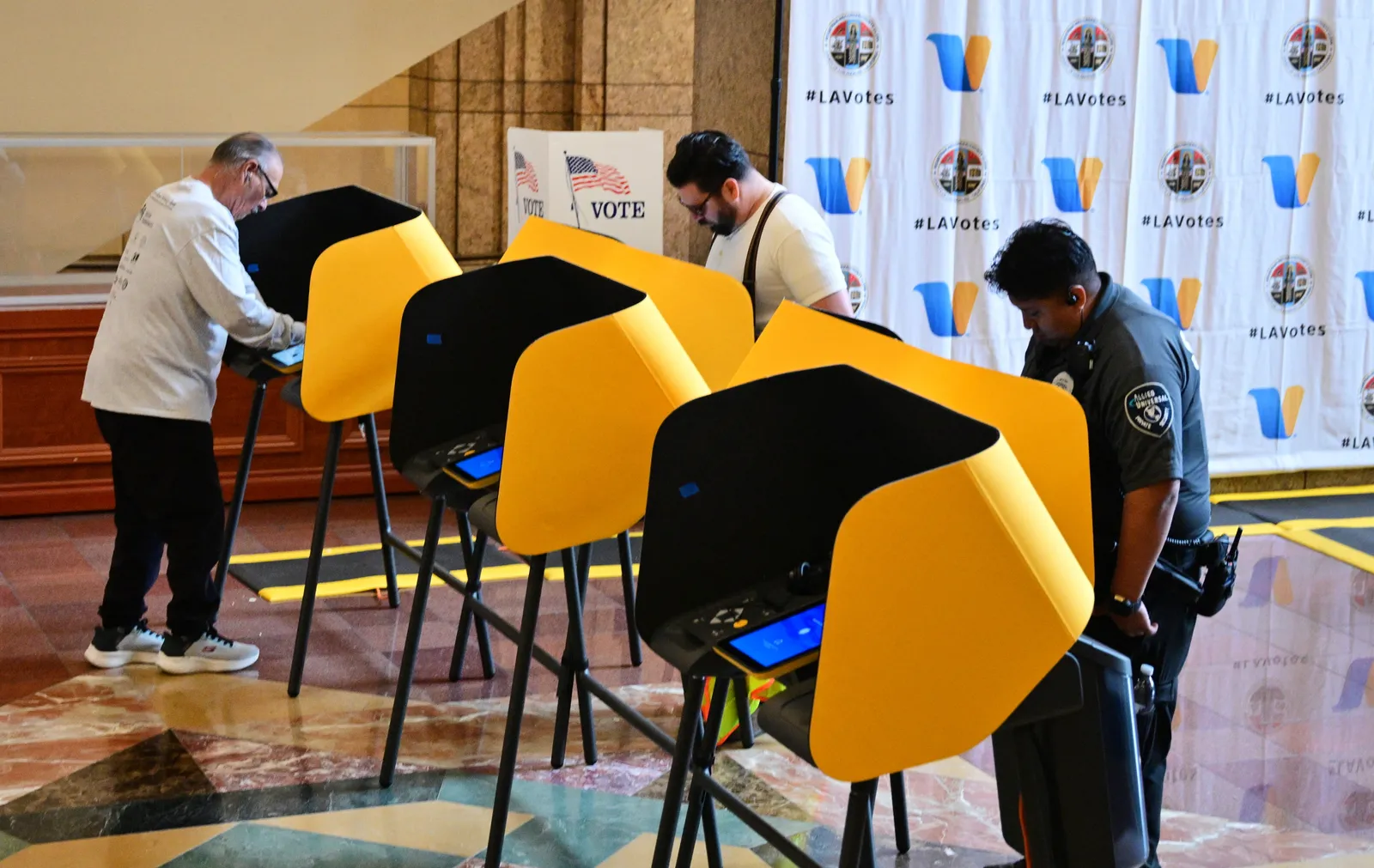
LA County: DOJ's 20,000 'noncitizen' voter list is 'unreliable,' includes U.S.-born
Preliminary review by Los Angeles County election officials finds errors in the federal list, raising the stakes for voter roll integrity ahead of November.
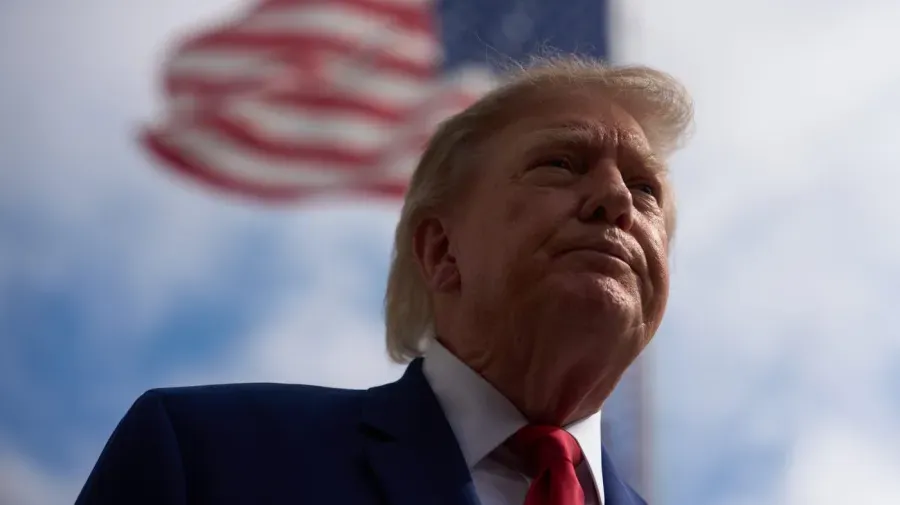
Trump's $1.5B Pentagon chip investment lands in North Carolina
A $1.5 billion defense infusion for North Carolina chipmaking signals a new era of Pentagon-backed reshoring - here's what it means for the industry.

Nigeria confirms first Ebola case in Abuja, a woman just off a Uganda flight
Health Minister Muhammad Ali Pate says the patient flew in from Uganda, putting Africa's latest outbreak on Nigeria's doorstep.