
Trump rolls out new tariff framework after Supreme Court kills original levies
The trade war is not paused, it is redesigned. Here is the latest system and what it means for markets and boards.
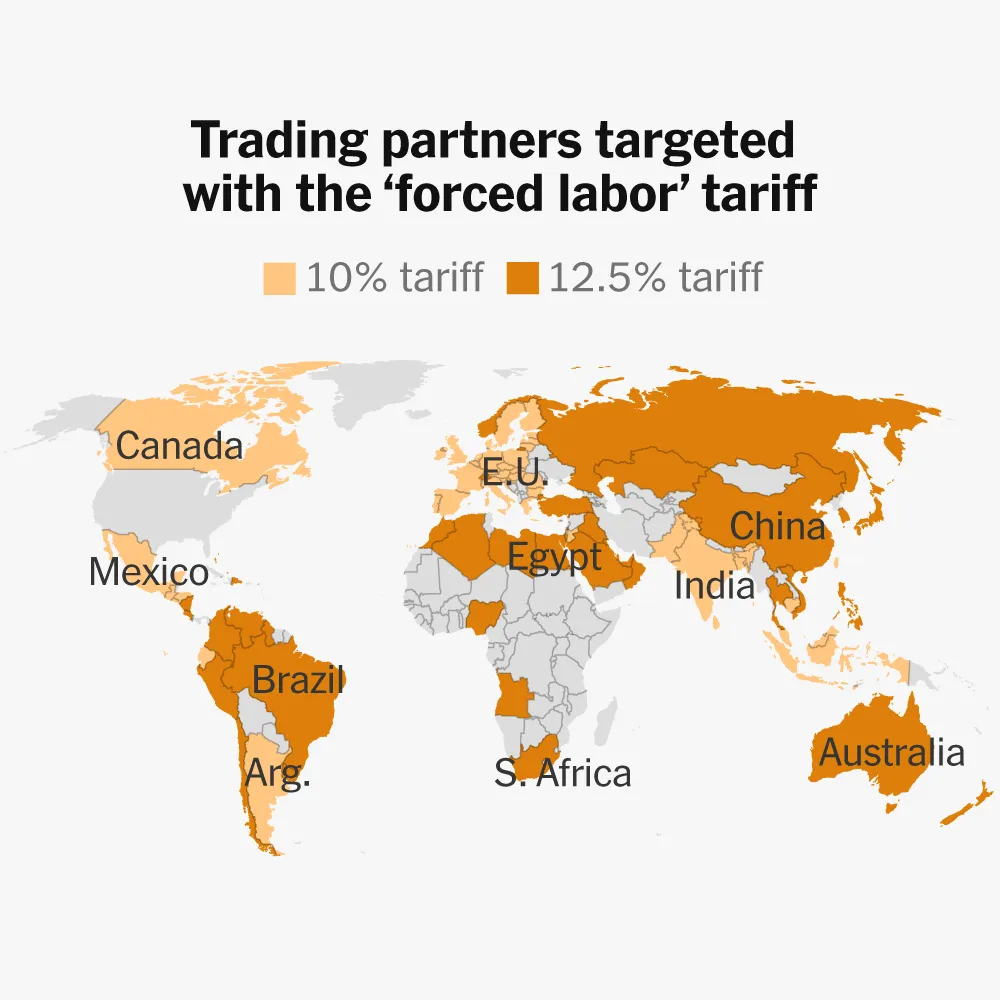
President Trump has unveiled a complicated system to forge ahead with his trade war after the Supreme Court struck down his original levies. Decision-makers now have to track a new compliance and cost path, even as the legal fight remains unresolved in the background.
President Trump has unveiled a complicated system to forge ahead with his trade war after the Supreme Court stuck down his original levies. The headline version sounds like a bureaucratic footnote. It is not. In Washington, when a court knocks out the original mechanism, the next move is about rebuilding leverage fast enough to still shape pricing, supply chains, and bargaining positions.
Why this matters in practical terms: the trade war did not just “change policy,” it changed the way businesses will plan. When the Supreme Court rejects a set of tariffs or the way they were implemented, companies are left staring at a gap between what the market expected and what can legally happen next. A new system, even if it is more complex, signals continuity of intent. Trump is still trying to push trade policy outcomes, but he is doing it through a different legal and administrative route.
To understand why the new framework is described as “complicated,” you have to know how tariff authorities typically work and why Supreme Court decisions sting beyond the immediate ruling. Tariffs are not just taxes. They are instruments that can be challenged on questions like whether the executive branch followed the right statutory process, used the right authority, or complied with required steps. When courts strike down the original levies, it limits what can be done in the exact same form. So lawmakers and the executive branch often respond by redesigning the mechanism, targeting compliance with the constraints the court imposed. That is what “forge ahead” usually means in these moments: keep the pressure, change the wrapper.
For executives, the second-order effect is that complexity increases forecasting friction. Even without adding new numbers, the basic reality is that firms have to build models and operational plans around uncertainty. Supply chain contracts, inventory planning, pricing strategies, and sourcing decisions become harder when tariff schedules are harder to pin down. The market can rally on “trade headlines,” but operations do not run on headlines. They run on the latest enforceable rules, the timeline of implementation, and the administrative process that determines how duties actually land.
This is also where board dynamics show up, quietly but decisively. Boards do not just review performance. They review risk, including regulatory risk. A new tariff system after a Supreme Court reversal is a reminder that trade policy can flip quickly, even when the underlying political objective stays the same. Audit committees and finance leaders typically want to know: What portion of revenue and margin is exposed to tariff costs? How flexible are supplier terms? Are there hedges or contractual clauses that can absorb duty changes? Even when the story is political, the board agenda is operational: cash flow timing, gross margin stability, and compliance overhead.
There is another layer too: companies in import-heavy sectors often have to interpret tariff policy not in isolation, but in relation to trade negotiations and retaliation dynamics. A trade war is rarely a single lever. It is an ecosystem of tariffs, exemptions, enforcement, and counter-moves. When the original levies are struck down, the negotiating environment can change. Other countries and counterparties may adjust their expectations about the durability of the pressure. That can influence whether they bargain harder, wait for legal developments, or adjust their own trade measures.
So what should decision-makers do with this new information? First, treat it as a signal that the administration is committed to continuing the trade war, even after the Supreme Court limited the first attempt. Second, recognize that a “complicated system” is not a mere rebranding. It is a new compliance and implementation path that can alter timelines, costs, and administrative burden. Third, keep close tabs on how this new framework gets translated from announcement into enforcement reality, because that is when budgeting and operations have to lock in.
For peers watching from similar desks, the strategic stakes are straightforward: trade policy volatility can reshape demand, supply, and competitive positioning faster than many companies can revise plans. If you are CFO-minded, you care about the margin math and the cash conversion cycle. If you are CEO-minded, you care about pricing power, customer retention, and sourcing resilience. This latest development tells those leaders that the trade war is still in motion, just using a different mechanism to survive the legal test.
This story's Key Insights and Take-aways are locked.
Create a free account to unlock Executive Actions for one credit.
Register to UnlockAlways free for Executives Club members. Join the Club
More in Politics
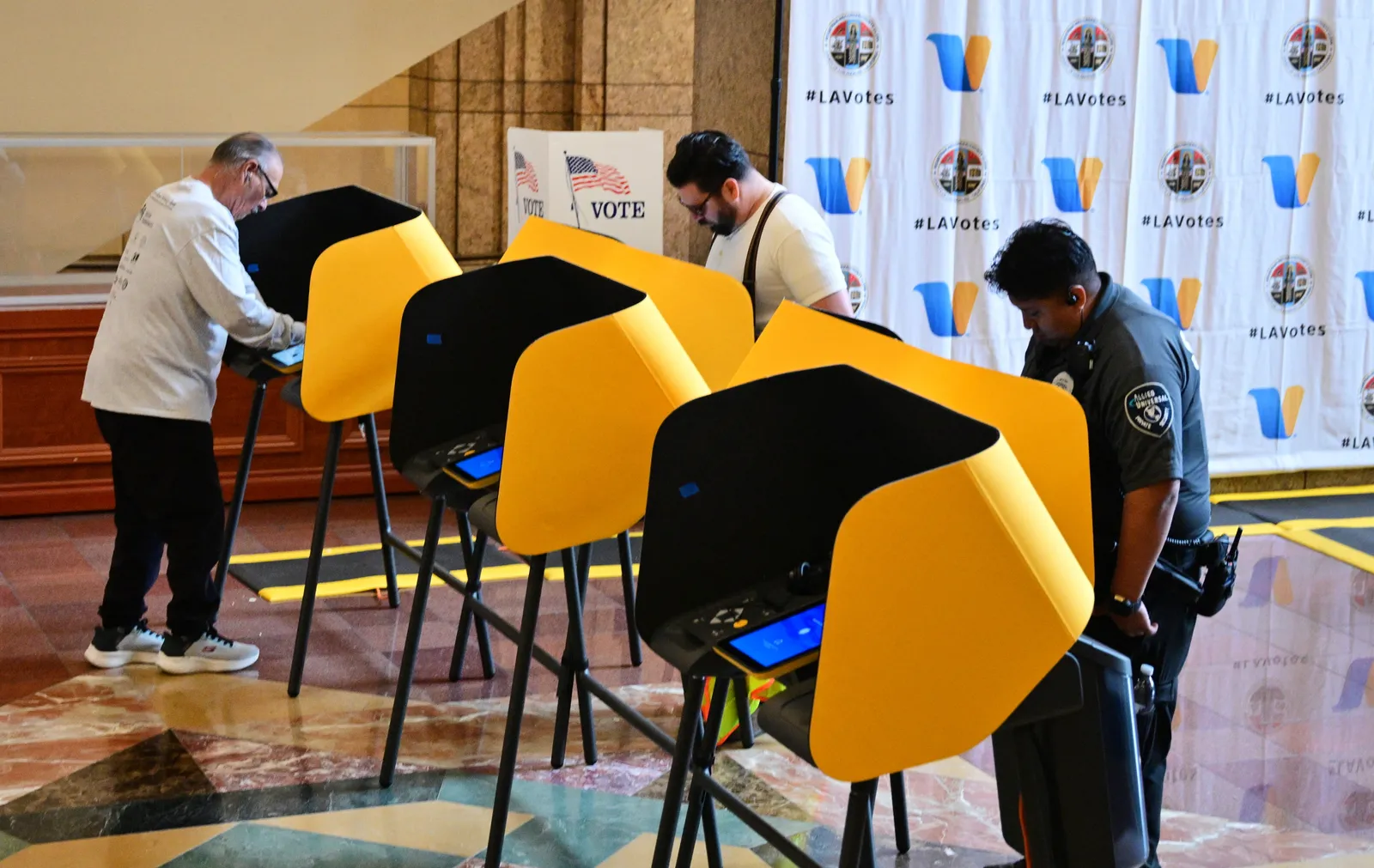
LA County: DOJ's 20,000 'noncitizen' voter list is 'unreliable,' includes U.S.-born
Preliminary review by Los Angeles County election officials finds errors in the federal list, raising the stakes for voter roll integrity ahead of November.
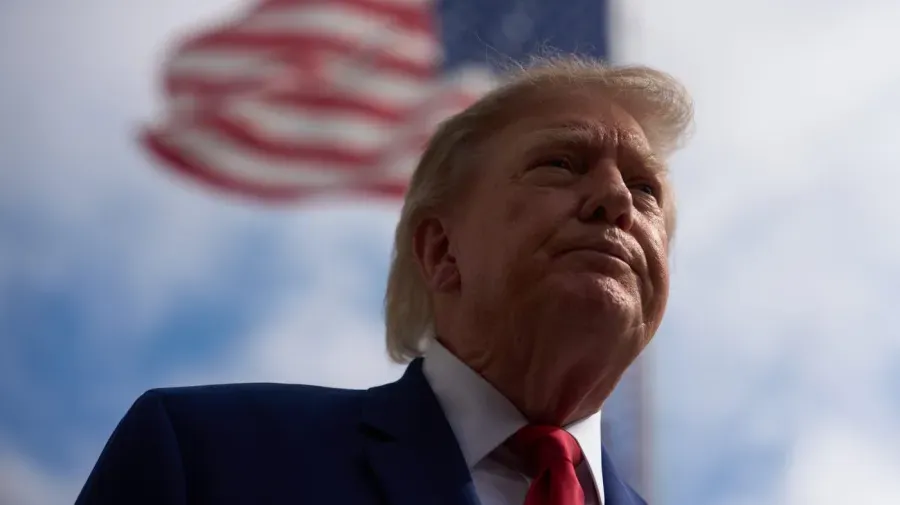
Trump's $1.5B Pentagon chip investment lands in North Carolina
A $1.5 billion defense infusion for North Carolina chipmaking signals a new era of Pentagon-backed reshoring - here's what it means for the industry.

Nigeria confirms first Ebola case in Abuja, a woman just off a Uganda flight
Health Minister Muhammad Ali Pate says the patient flew in from Uganda, putting Africa's latest outbreak on Nigeria's doorstep.