
Trump swapped aircraft in Turkey after Iran-linked proxy threat, NYT says
A Qatari-donated jet lacked advanced defenses, so US officials reset plans during a NATO summit.
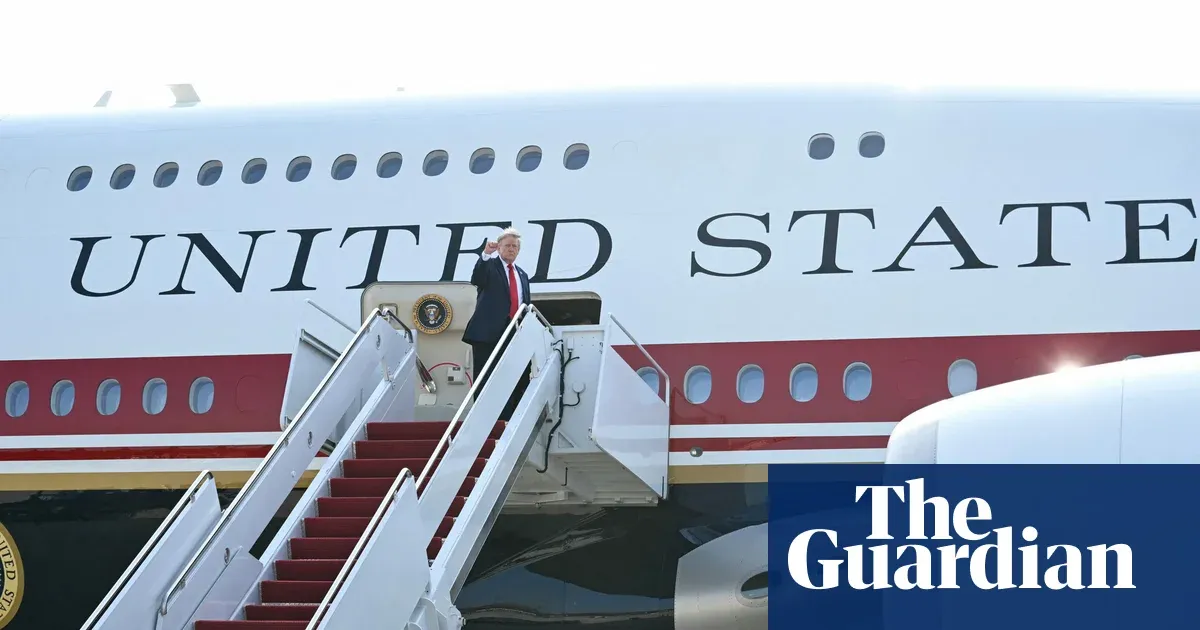
Donald Trump switched aircraft before departing Turkey earlier this month after US officials determined a credible threat from Iranian proxy forces targeting him and Air Force One, according to a New York Times report. He flew to Ankara on a new Qatari-gifted Boeing 747-8 without the same advanced defensive systems as older Air Force One, then returned on the older plane.
Donald Trump switched aircraft before departing Turkey earlier this month after US officials determined there was a credible threat from Iranian proxy forces targeting him and Air Force One, The key operational twist: while Trump was in Turkey, the protection plan changed mid-trip because threat assessors judged the risk could reach both the president and the aircraft he was using.
The threat surfaced while Trump was attending the NATO summit. He arrived in Ankara onboard the new Qatari-donated Boeing 747-8, an aircraft that Trump acknowledged does not have the same advanced defensive systems as the older Air Force One. Then, before leaving Turkey, he flew home on old Air Force One instead, a move framed in the report as a reaction to that credible targeting concern.
If you are an executive or board member tracking national security, crisis readiness, or high-stakes operational risk, this is a reminder that threat environments can force fast decisions even for the most resourced principals. The story is not about whether anyone can “prevent” danger. It is about whether decision-makers have the flexibility to re-route protection, mobility, and assets when new intelligence changes the risk calculus. In other words: when the threat is credible, you do not wait for the next calendar page.
There is also a governance and credibility angle. The report ties the shift to a determination by US officials that the threat was credible. That matters because aviation security for heads of state is not casual. These are systems built to anticipate specific attack vectors, and they typically depend on the mix of aircraft capabilities, crew procedures, and defensive countermeasures. The report’s mention that the Boeing 747-8 lacked the advanced defensive systems of older Air Force One signals why officials would prefer the older platform once threat details sharpened.
Now add the diplomatic context. Trump arrived on an aircraft described as Qatari-gifted. That detail is consequential because it highlights how geopolitical relationships, even gifts and logistics arrangements, can intersect with operational security. A donated or newly used aircraft can be perfectly usable for travel, but it can still be a mismatch for threat conditions if its defensive profile is weaker than the “default” asset used for the president.
For decision-makers watching risk management more broadly, the NATO summit setting raises the stakes. NATO summits are high-visibility events with dense schedules, multiple actors, and concentrated attention. High visibility does not just increase media coverage. It can also concentrate threat interest because adversaries may view such moments as opportunities for disruption or signaling. In that environment, the credible threat from Iranian proxy forces targeting him and Air Force One is exactly the sort of scenario that triggers contingency planning.
There is a second-order implication for boards and operators outside government too. When the “primary asset” is swapped because capabilities differ, it can ripple into everything from staffing and communications to readiness of supporting systems. Even if the flight itself is routine, the protective posture around it changes. That means more coordination, more approvals, and tighter execution under time pressure. The report suggests the swap happened before departure from Turkey, which implies a real-time recalibration rather than a long planning cycle.
For peers in similar roles, the strategic stakes are simple. If you manage critical operations, you want your risk response to be as fast as the threat assessment. If you manage assets that are sometimes substituted for convenience or availability, you need a defensible view of how that substitution changes risk. And if your organization interfaces with partners and diplomatic channels, you should treat logistics agreements as part of the security picture, not an afterthought. This episode, as described by the report, is a clear example: once US officials flagged a credible Iranian proxy targeting threat against both the president and Air Force One, the aircraft choice became a security decision, not just a travel decision.
This story's Key Insights and Take-aways are locked.
Create a free account to unlock Executive Actions for one credit.
Register to UnlockAlways free for Executives Club members. Join the Club
More in Politics
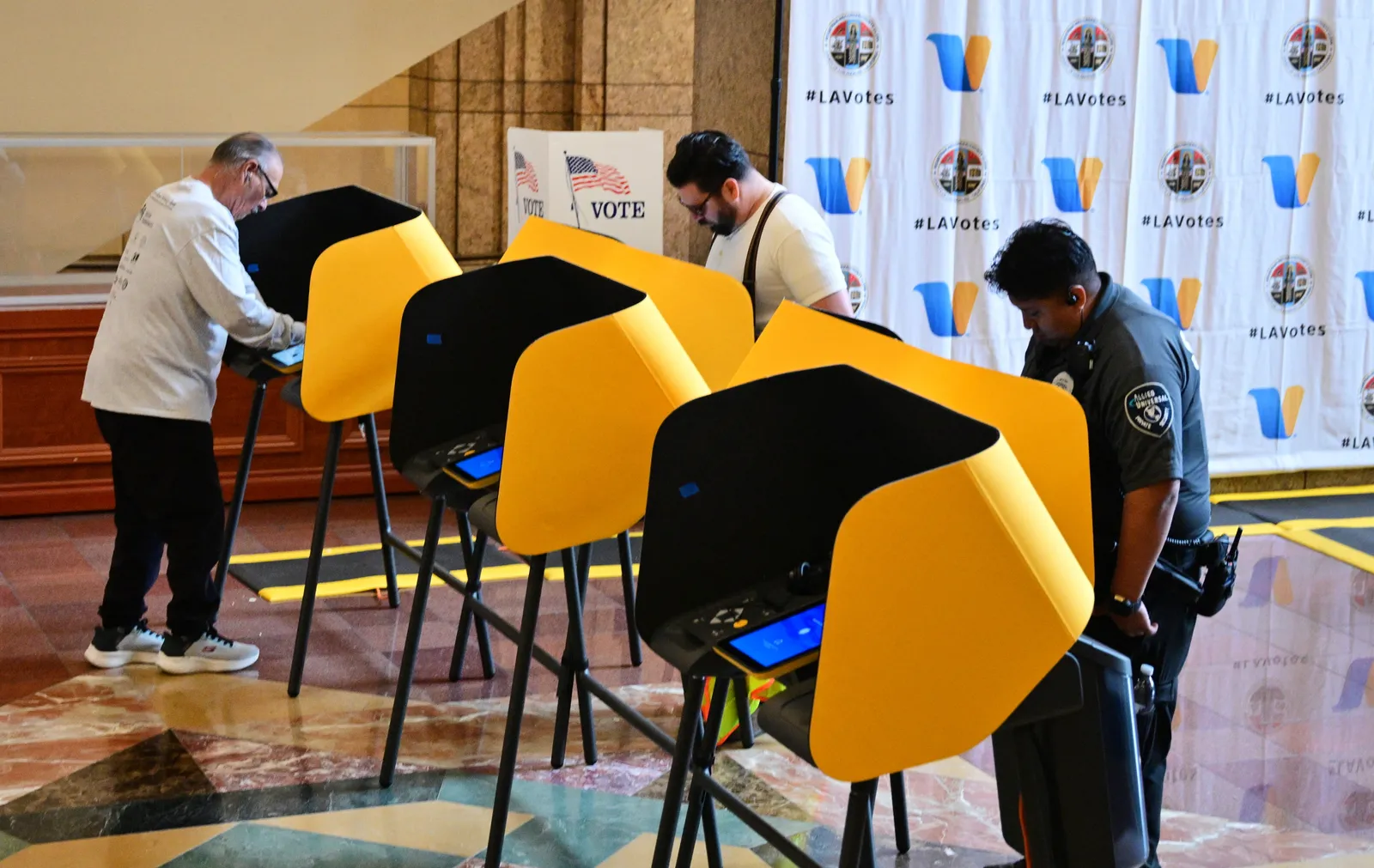
LA County: DOJ's 20,000 'noncitizen' voter list is 'unreliable,' includes U.S.-born
Preliminary review by Los Angeles County election officials finds errors in the federal list, raising the stakes for voter roll integrity ahead of November.

Trump's $1.5B Pentagon chip investment lands in North Carolina
A $1.5 billion defense infusion for North Carolina chipmaking signals a new era of Pentagon-backed reshoring - here's what it means for the industry.

Nigeria confirms first Ebola case in Abuja, a woman just off a Uganda flight
Health Minister Muhammad Ali Pate says the patient flew in from Uganda, putting Africa's latest outbreak on Nigeria's doorstep.