

Trump tells Iran U.S. will hit “very hard” and expand strikes across infrastructure
After the fourth day of U.S. strikes, Trump signals escalation that could widen costs, risk, and market volatility.
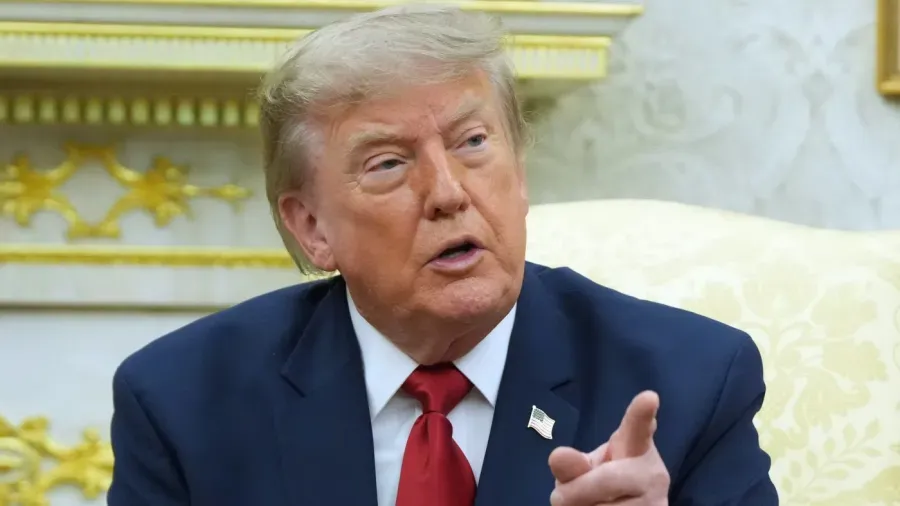
President Trump warned Iran the U.S. will “hit them very hard” after the fourth day of U.S. strikes, speaking with Fox News’s Trey Yingst about the conflict. He said the U.S. would gradually expand its strikes across Iran’s infrastructure, raising the stakes for businesses and investors tracking escalation risk.
President Trump told Fox News’s Trey Yingst on Tuesday that the U.S. is “going to hit them very hard,” framing the message as a response to the fourth day of U.S. strikes on Iran. The key part, at least for decision-makers, is not the headline promise of force, it is the direction of travel Trump described: a plan to gradually expand strikes across Iran’s infrastructure.
That matters because “fourth day” is a real-world pace marker. It implies the campaign is moving from initial shock toward sustained pressure, and Trump’s language suggests it is not staying focused on narrow targets. When a head of state signals expansion across infrastructure, it typically pushes the market to price not only immediate risk, but the next phase of operational disruption. In practical terms, energy, shipping, insurers, industrial supply chains, and even defense contractors all sit in the blast radius when infrastructure becomes the target set.
The U.S.-Iran conflict has historically played out with a tight link between military actions and financial market reactions. Even without new numbers in this report, the structure of escalation described by Trump is the kind of thing that changes expectations quickly. If strikes expand across infrastructure rather than remaining limited, then the probability of knock-on effects rises: disruptions in energy-related systems, constraints on logistics, and elevated cyber and electronic warfare spillover risk are all second-order considerations for companies that rely on global trade stability.
Zoom out and the signaling becomes clearer. Leaders often use public messaging to do two jobs at once: deter the adversary and manage domestic and international expectations. Trump’s warning to Iran, delivered on a major TV platform, is designed to be heard, not whispered. At the same time, outlining a gradual expansion approach creates a storyline that can be monitored by observers day to day, as new phases begin. That gives markets and counterparties a reference point, but it also gives the other side a clearer sense of what could come next.
For boards and C-suite teams, the question is how to convert that signal into decisions under uncertainty. This report does not name specific targets, time frames, or operational details beyond the fourth day and the plan to expand across infrastructure. Still, the strategic implication is straightforward: when infrastructure gets targeted, the distribution of risks shifts from discrete events to longer-running system stress. That can show up in higher insurance premiums, more expensive shipping or hedging, tighter counterparty terms, and more volatile commodity pricing. It can also influence government procurement calendars and demand visibility for defense and cybersecurity adjacent firms, because escalation typically accelerates spending priorities.
There is also a regulatory and legal framing layer that executives cannot ignore. Military actions tied to an international confrontation usually reverberate through sanctions policy, export controls, licensing, and compliance risk. Even if this specific article does not mention sanctions, compliance teams tend to prepare for changes in the interpretation and enforcement environment when infrastructure is threatened. Companies with operations, customers, or suppliers exposed to Iran or Iranian supply chains often build contingency plans around payment restrictions, shipping limitations, and documentation requirements. A stated move toward infrastructure strikes increases the urgency of those preparations, because operational disruptions can trigger non-obvious compliance failures.
Finally, the escalation signal described here is a stress test for everyone managing risk in the region, not only those with direct exposure to Iran. Multinationals, insurers, energy traders, and logistics providers typically monitor public statements as part of an internal risk dashboard. When the President says the U.S. will hit “very hard” and expand strikes across infrastructure, it raises the odds of broader interruptions, not just isolated impacts. In other words, it is not only about what happens today, it is about what counterparties expect tomorrow.
For executives, the stake is simple: the world does not wait for clarity. Public escalation signals tend to hit operating assumptions first, and only later does the legal, diplomatic, and market data catch up. If the U.S. gradually expands strikes across Iran’s infrastructure, the likely outcome is a prolonged risk premium across multiple sectors, plus a scramble to adjust hedges, supply plans, and compliance playbooks. The smartest teams will treat this as an operational planning input, not just a headline.
This story's Key Insights and Take-aways are locked.
Create a free account to unlock Executive Actions for one credit.
Register to UnlockAlways free for Executives Club members. Join the Club
More in Politics

LA County: DOJ's 20,000 'noncitizen' voter list is 'unreliable,' includes U.S.-born
Preliminary review by Los Angeles County election officials finds errors in the federal list, raising the stakes for voter roll integrity ahead of November.
Trump's $1.5B Pentagon chip investment lands in North Carolina
A $1.5 billion defense infusion for North Carolina chipmaking signals a new era of Pentagon-backed reshoring - here's what it means for the industry.
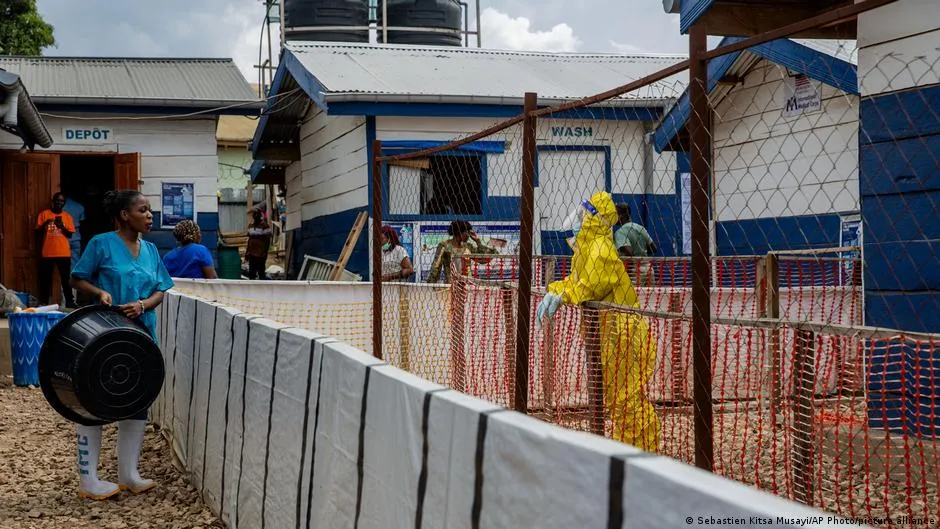
Nigeria confirms first Ebola case in Abuja, a woman just off a Uganda flight
Health Minister Muhammad Ali Pate says the patient flew in from Uganda, putting Africa's latest outbreak on Nigeria's doorstep.