
Trump to deliver Thursday primetime address urging tighter federal voting rules for midterms
What to watch in his primetime push for November voting changes, and why it could reshape the election risk calculus.
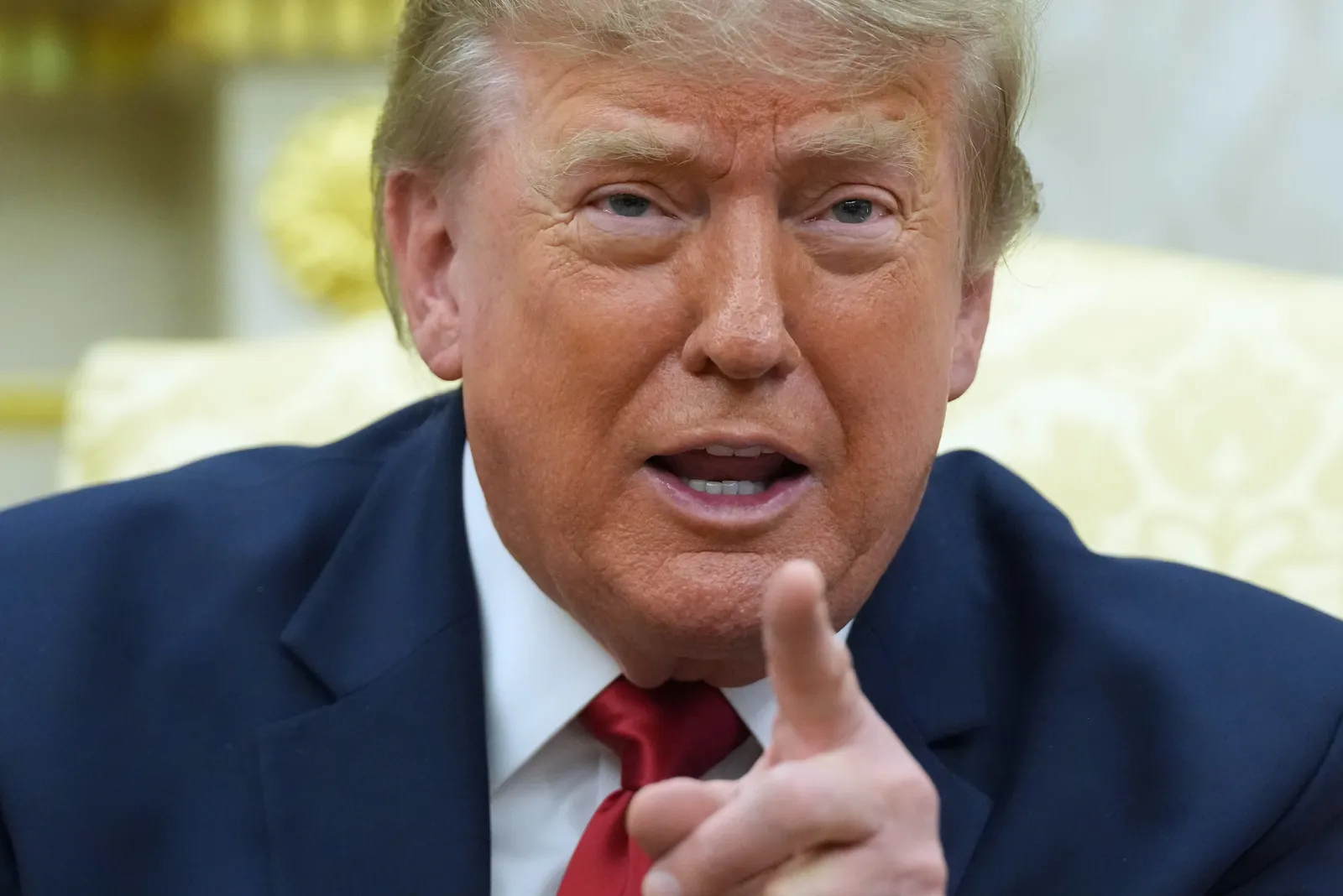
President Trump will speak in a Thursday primetime address focused on elections as he escalates calls for Republicans to pass tighter federal voting rules for November's midterm elections. Decision-makers should expect the politics of election administration to become a direct policy battleground, with real downstream effects for campaigns and compliance planning.
President Trump is set to speak on elections in a Thursday primetime address, as he escalates calls for Republicans to pass tighter federal voting rules for November's midterm elections. The timing matters. Primetime is where policy talk stops sounding like a committee agenda item and starts looking like a national mandate attempt, aimed at both voters and lawmakers.
In practical terms, the speech is the latest move in a broader push: tighter federal voting rules are now the center of gravity for the midterm election policy fight. Trump’s message is not just about what happens on Election Day, but about what Republicans in Congress will be asked to do before then. That places the spotlight on federal legislative action and on how quickly and forcefully it can be packaged, debated, and advanced ahead of November.
To understand why this is consequential beyond cable-news cycles, you have to know how election administration usually works in the US. Voting processes are typically shaped at multiple levels: federal law sets some guardrails, while states handle many of the day-to-day rules, including how voters register, how absentee or mail voting is run, and how ballots are verified. When a president pushes for tighter federal rules, the goal is often to standardize or tighten specific parts of the system that lawmakers and critics believe are vulnerable to fraud or to inconsistent enforcement. Supporters see it as protecting election integrity. Opponents often argue it can make voting harder or shift power away from states. Either way, federal changes tend to ripple.
Those ripples show up in the operational side of politics: compliance, planning, and risk management. Even if a federal voting-rule proposal does not fully land before November, the legislative momentum can still alter how parties, campaigns, advocacy groups, and vendors plan their workflows. More changes generally mean more uncertainty. And uncertainty is expensive. It forces earlier budgeting decisions, more legal review, and more contingency planning around voter outreach and election logistics.
There is also a boardroom version of the story here. If you are a leader at an organization that relies on public-sector processes, elections become less of a background civic event and more of an institutional-variable that can affect contracts, timelines, and policy enforcement priorities. Election administration policy debates can influence how agencies interpret compliance requirements, how guidance is issued, and how quickly litigation or rulemaking proceeds. For executives, the key is not to predict the outcome of the policy fight. It is to recognize that the fight is now being amplified in a way that increases the odds of fast-moving proposals and fast-moving reactions.
Trump’s move also pressures lawmakers and party leaders to choose a side and set their own internal incentives. When the White House escalates a policy demand during a midterm run-up, it can change the internal math for Republican lawmakers who might have been weighing whether to prioritize other legislation. A primetime address is a public forcing function. It increases the visibility of the demand and makes it harder for lawmakers to quietly ignore it without political cost.
Second-order, the speech can also intensify the litigation and administrative uncertainty that often follows election-rule efforts. When election rules change, courts and election officials may need to interpret them, sometimes under tight deadlines. That can create a cycle of revisions to procedures, training updates for election workers, and adjustments to how voters are informed. Even before any final rule is settled, the expectation of change can prompt new guidance and contingency moves, which is exactly the kind of environment that elevates operational complexity.
For decision-makers looking across sectors, the strategic stakes are clear: this is a policy push that aims to alter how voting works federally for November. Whether the final outcome is broad new law, narrower amendments, or even stalled legislation, the primetime attention and the escalated calls for action mean election rules are becoming a high-velocity political asset. And high-velocity policy environments reward teams that plan for uncertainty, track legislative movement closely, and prepare for the operational consequences of changes to election administration.
This story's Key Insights and Take-aways are locked.
Create a free account to unlock Executive Actions for one credit.
Register to UnlockAlways free for Executives Club members. Join the Club
More in Politics

LA County: DOJ's 20,000 'noncitizen' voter list is 'unreliable,' includes U.S.-born
Preliminary review by Los Angeles County election officials finds errors in the federal list, raising the stakes for voter roll integrity ahead of November.

Trump's $1.5B Pentagon chip investment lands in North Carolina
A $1.5 billion defense infusion for North Carolina chipmaking signals a new era of Pentagon-backed reshoring - here's what it means for the industry.

Nigeria confirms first Ebola case in Abuja, a woman just off a Uganda flight
Health Minister Muhammad Ali Pate says the patient flew in from Uganda, putting Africa's latest outbreak on Nigeria's doorstep.