
Tyra Banks sues Netflix over edited “Reality Check” footage, demanding face removal
A 65-page complaint claims Netflix and partners cut her accountability into 16 minutes, then told a “false and defamatory” story.

Tyra Banks, creator of “America's Next Top Model,” filed a 65-page lawsuit against Netflix, Everwonder Studio, and directors Mor Loushy and Daniel Sivan over “Reality Check: Inside America's Next Top Model.” She alleges deceptive editing cut out her accountability and seeks damages plus removal of her face from a 26-track soundtrack album cover.
Tyra Banks is suing Netflix, accusing the streaming giant and the docuseries production team of deceptively editing her interview in a way that, in her complaint’s words, created a “false and defamatory narrative.” The lawsuit says that of the hours of answers Banks provided, producers used only about sixteen minutes for the three-part docuseries “Reality Check: Inside America’s Next Top Model,” which Netflix released in February.
Banks’ core claim is simple, and it shows up repeatedly across the complaint: she says she gave a three-and-a-half-hour interview without limiting questions, but the producers cut the segments where she took responsibility for some of the show’s controversies. “The accountability Ms. Banks took ended up on the cutting room floor. It was there, but viewers were never given the opportunity to see it,” her team wrote, also arguing that the producers used “selective editing, deliberate omission, and surgical manipulation of continuous footage.”
This is not a typical “they got the facts wrong” dispute. Banks is aiming at narrative construction, which is a bigger deal than it sounds in streaming-era media. In a docuseries format, what gets selected and what gets cut is the story. According to the complaint, the producers used what could be stripped of context and reassembled to support a narrative “unrelated to what she actually expressed.” That kind of allegation matters legally because it tries to convert editing choices into misrepresentation, not just creative judgment.
The lawsuit identifies the specific production pipeline too. Banks’ attorneys named Netflix, Everwonder Studio, and directors Mor Loushy and Daniel Sivan as defendants. The complaint also references Banks’ interview and her onetime collaborators, including creative director Jay Manuel and runway coach J. Alexander, and notes that the documentary featured at least 10 contestants.
One of the major flashpoints in the complaint involves season two contestant Shandi Sullivan. Banks’ team says Sullivan told the producers she had viewed an incident that happened on set as sexual assault. The complaint says Banks was not disclosed Sullivan’s account before her interview, and it also alleges the producers selectively edited Banks’ responses to make it appear she was not willing to take accountability for the incident.
Then comes the pre-lawsuit paper trail, which often becomes crucial once cases start moving. Banks’ team says that before taking legal action, they asked Netflix for unedited footage of Banks’ interview, but Netflix denied the request. The complaint adds that Netflix did not give Banks the opportunity to respond to allegations from other participants. In other words, Banks is arguing not only that the final edit distorted what she said, but that the process did not include a fair chance to correct or contextualize what other people were alleging.
Banks is also seeking concrete remedies. The complaint asks for damages and requests removal of her face from the album cover of a 26-track soundtrack for the documentary. While Netflix has not yet filed a response, it declined to comment, according to the Business Insider report.
Zooming out, this kind of lawsuit lands right in the middle of how streaming companies manage risk across speed, scale, and brand partnerships. Docuseries can be lucrative and culturally sticky, but editing disputes turn into reputational and legal problems when the alleged harm is tied to selective omissions, especially around allegations involving wrongdoing or accountability. For executives, the second-order issue is not just whether a plaintiff can prove misrepresentation. It is whether productions have documentation discipline, review controls, and evidence that can withstand scrutiny when a participant claims the portrayal was materially misleading.
This story's Key Insights and Take-aways are locked.
Create a free account to unlock Executive Actions for one credit.
Register to UnlockAlways free for Executives Club members. Join the Club
More in Entertainment
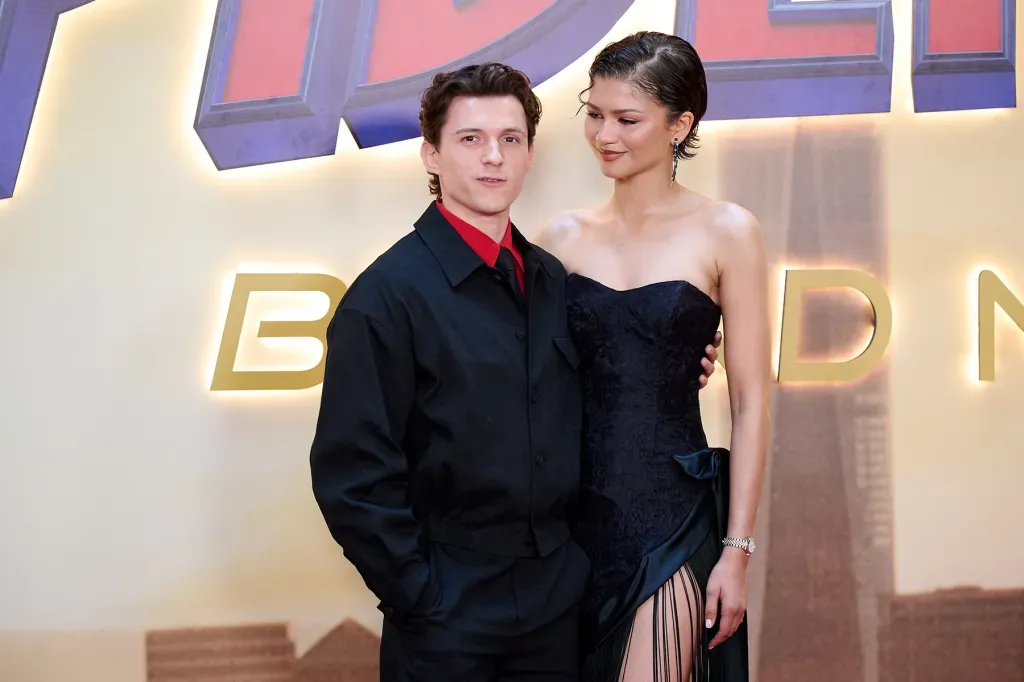
Tom Holland confirms he and Zendaya are married in Esquire cover story
The actor explains how AI wedding photos triggered real-life checks, and what he says about their relationship.

Gkids buys North America rights to Cocoon, sets Sept. 4 theater debut
A wartime anime adaptation with a Japanese island setting lands with both subtitled and English-dub theatrical screenings.
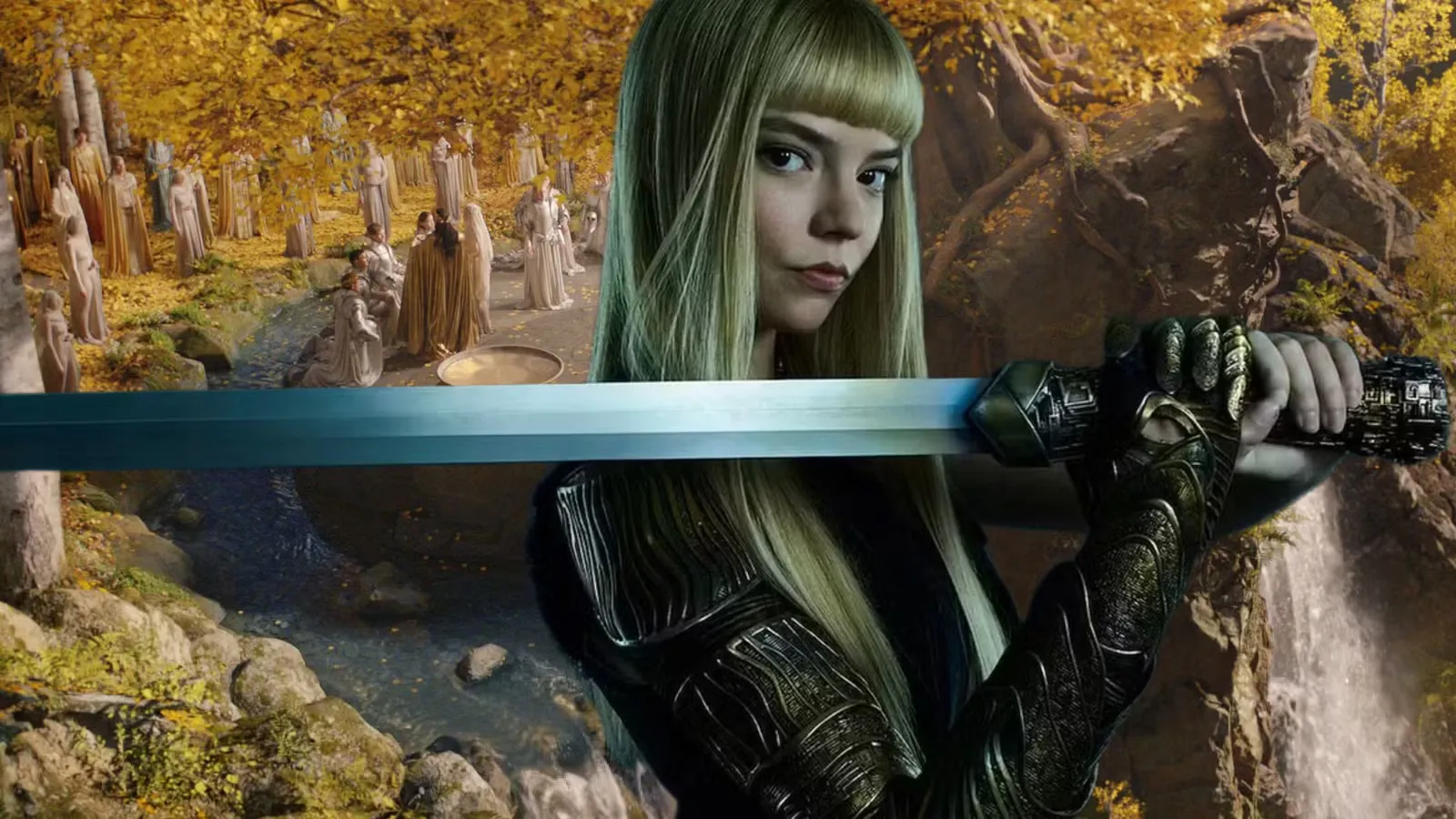
Anya Taylor-Joy becomes elf Seren in Serkis' LOTR: The Hunt for Gollum
Seren is a