
U.S. government takes 55% stake in 65-billion-barrel Venezuela oil venture
The federal government's majority stake in a new joint venture makes it the world's second-largest holder of proven oil reserves, reshaping Washington's role in energy.
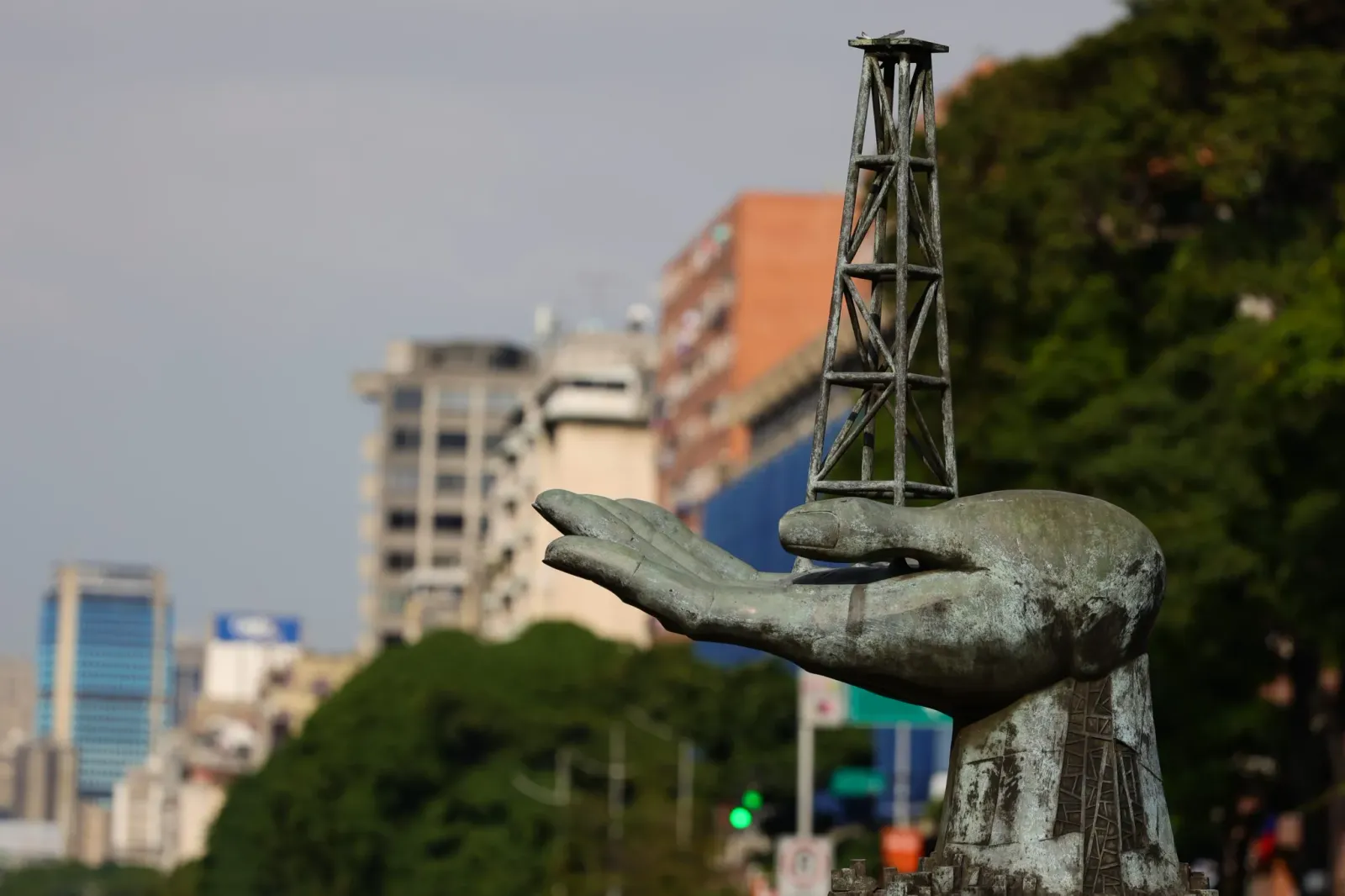
The U.S. federal government will take a 55% stake in a Venezuelan joint venture controlling 65 billion barrels of oil, making it the second-largest corporate holder of proven reserves. The deal gives Washington direct exposure to oil production and a new tool to restock the Strategic Petroleum Reserve, but it faces deep skepticism over Venezuela's broken energy sector.
The U.S. federal government will own a 55% stake in a new oil joint venture controlling 65 billion barrels of Venezuela's reserves, making it the world's second-largest corporate holder of proven reserves after Saudi Aramco. The deal, struck with Venezuela's interim president Delcy Rodriguez, gives the U.S. government majority control of a company that will hold more oil than America's total proven reserves of 46 billion barrels. The federal stake, which combines equity ownership and oil production, was confirmed by a U.S. official, according to reports.
The move marks a dramatic departure for the U.S., which has long been the world's biggest oil producer without a state-owned champion. Instead, Washington is following the playbook of Saudi Arabia's Aramco, Russia's Rosneft, and Brazil's Petrobras. The venture also follows a string of government investments in chipmaker Intel, rare earths miner MP Materials, and mineral explorer Trilogy Metals, plus revenue-sharing deals with AI leaders Nvidia and AMD for China sales. The structure gives a private Venezuelan operator the remaining 45% stake.
Rodriguez, who granted the 100-year lease for prime oil fields, says the deal will attract more than $100 billion in investment and generate $209 billion for Venezuela's government. The U.S. official who briefed reporters said the venture's output will help restock the Strategic Petroleum Reserve, which has fallen to 289.7 million barrels, the lowest level since November 1982. That is a pressing concern: some industry experts warn the SPR is approaching operational minimums, wiping out the cushion that could offset Middle East supply shocks.
Venezuela's oil sector, however, is in disrepair. Production is just 1.1 million barrels a day, down from a peak of 3.5 million more than 20 years ago. Restoring that capacity would require billions of dollars in investment and years of work, and global oil majors must be convinced it is safe to do business in Venezuela after previous governments nationalized their assets. Some are already moving: Chevron is close to a deal to expand its longstanding operations, Halliburton is in talks to bring in equipment, and executives from several oil-and-gas companies will sign production deals next week. Italy's Eni, which has a presence in Venezuela, announced Saturday it is working with authorities to help revitalize the energy sector.
Still, many details of the new venture remain unknown, and energy experts are skeptical about how much investment it can attract. "For sure, and if Venezuela ever gets anything resembling a democratic government, the very first thing it will do is flush Trump's deal down the toilet," Dean Baker, senior economist at the Center for Economic and Policy Research, posted on X.
The deal comes about nine months after President Donald Trump ordered the military to capture Venezuelan dictator Nicolás Maduro, who faces federal narcoterrorism and drug trafficking charges. A month after that operation, the U.S. and Israel launched a war against Iran that triggered the worst energy supply shock in history, spiking prices and forcing countries to draw down crude stockpiles. That sequence explains the urgency: the U.S. government is now effectively becoming an oil producer, a role it has never played at this scale.
For executives, the implications are double-edged. The venture creates a new state-backed competitor in a market traditionally dominated by private firms like Exxon Mobil and Chevron. It also signals that Washington sees oil as a strategic asset, not just a commodity, which could reshape how the federal government engages with energy markets. The 100-year lease gives the venture a very long runway, but political risk in Venezuela remains extreme, and the structure could be undone by any change in government. The only certainty is that the deal has already rewritten the rules of who gets to pump the world's oil.
This story's Key Insights and Take-aways are locked.
Create a free account to unlock Executive Actions for one credit.
Register to UnlockAlways free for Executives Club members. Join the Club
More in Business
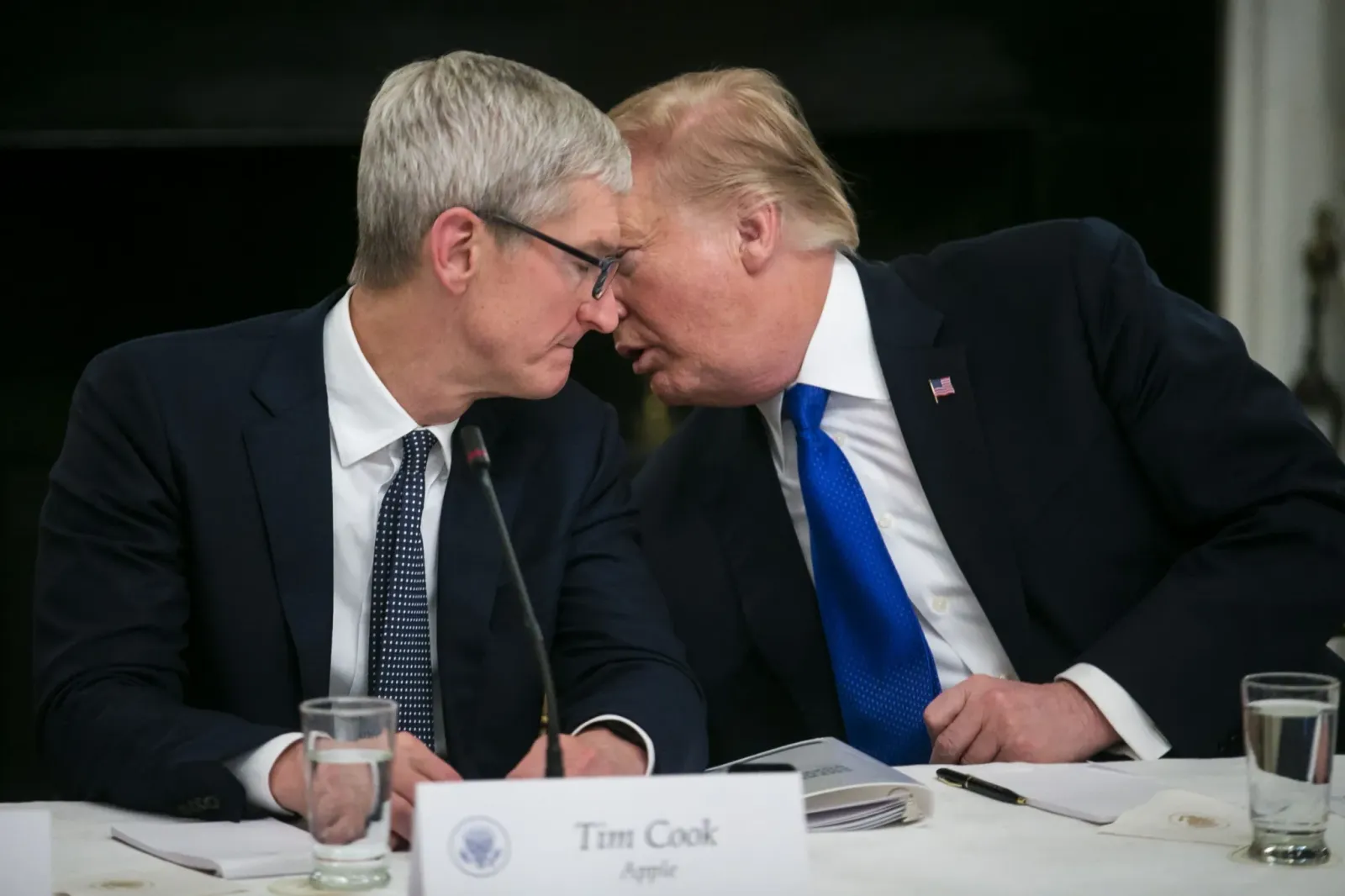
Tim Cook steps down as Apple CEO, stays on as chair with $45M equity
The 'Trump whisperer' keeps his White House and Beijing access as Apple navigates tariffs and a $4.6 trillion market cap.
Snowflake shares surge as AI data demand crushes estimates, lifting full-year forecast
Stocks jumped on stronger-than-expected guidance, signaling enterprise AI workloads are accelerating faster than Wall Street priced in.
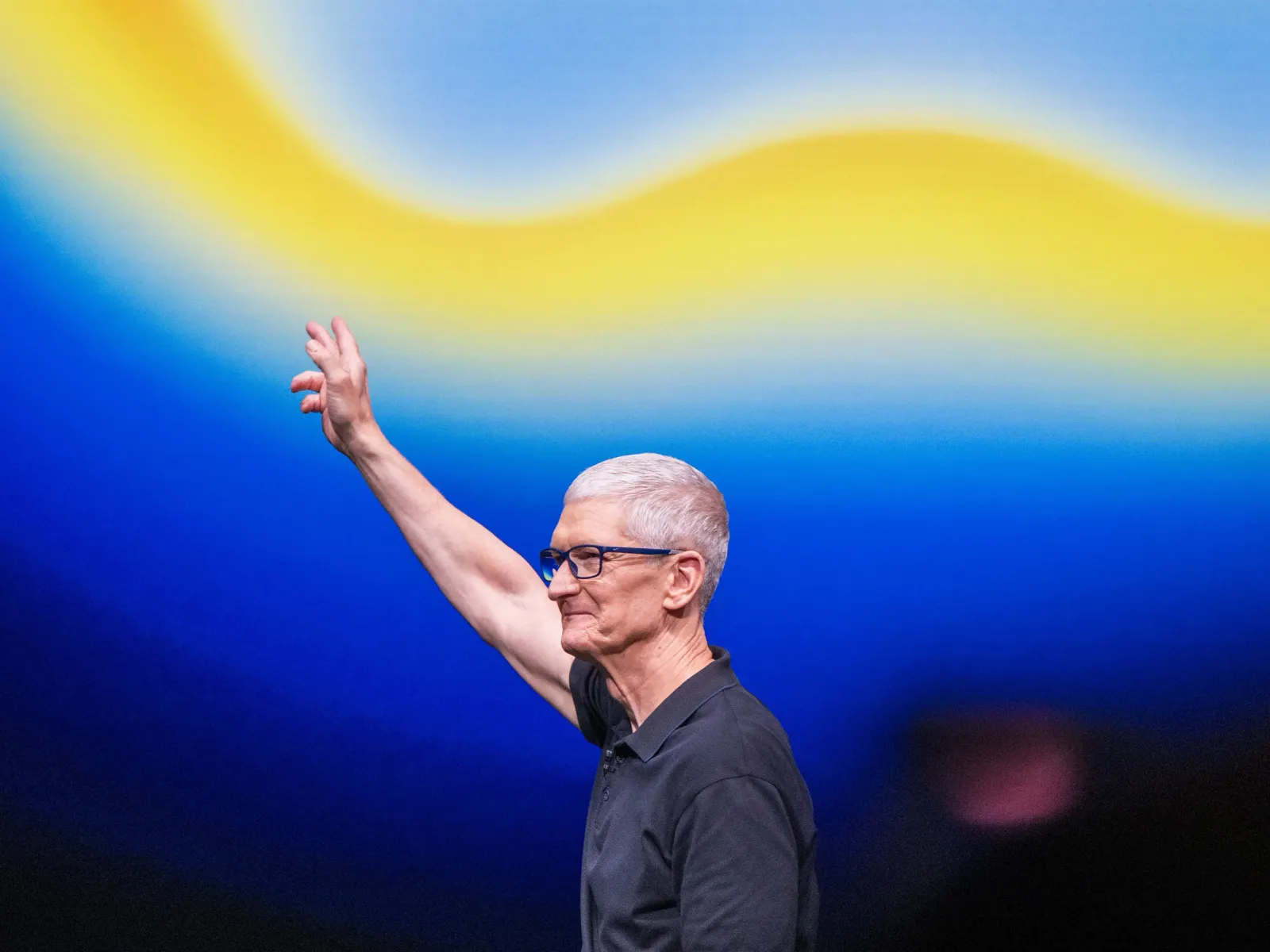
Tim Cook's 15-year Apple CEO run ends: 3 lessons for any successor
After 15 years, Tim Cook hands Apple to John Ternus - here's how he turned a $350B company into a $4.6T juggernaut.