
UAE Central Bank to Inspect Egyptian Bank Branches in Sanctions Wake
A regulatory review that could ripple across Gulf banking networks, forcing boards to recheck their own sanctions exposure.
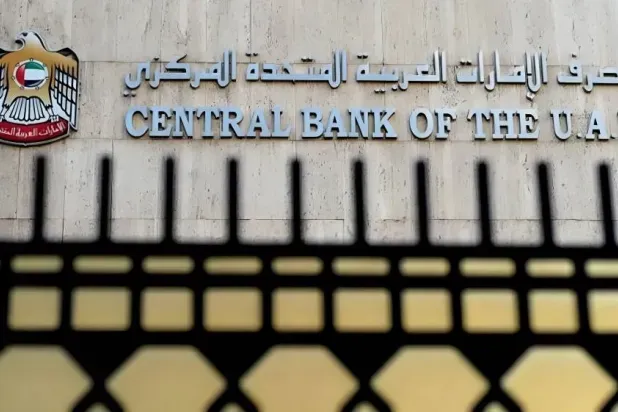
The UAE Central Bank has ordered an inspection of an Egyptian bank's branches within its jurisdiction, moving in response to U.S. sanctions placed on the institution. For banking executives and compliance officers, this signals a hardening of enforcement in the Gulf and a new template for how regional regulators may police sanctions exposure.
The UAE Central Bank is dispatching examiners into the local branches of an Egyptian bank, a move that lands directly in the aftermath of U.S. sanctions against that institution. The inspection, which the central bank is conducting across the bank's UAE network, is a forceful signal that Emirates regulators will not let foreign sanctions risks sit quietly on their books. For the bank itself, the review could tighten its access to one of the Gulf's busiest financial corridors. For every other cross-border lender operating in the region, it is a pointed reminder that the cost of sanctions exposure is no longer a distant compliance memo but a live regulatory event with immediate operational consequences.
The mechanics are straightforward on the surface. Central bank examiners will walk through the Egyptian lender's local branches to verify that any accounts, transfers, or correspondent relationships are free of activity that would violate U.S. sanctions. In practice, that means pulling transaction records, reviewing client due-diligence files, and stress-testing the bank's own compliance systems against a list of blacklisted entities and jurisdictions. The UAE has become increasingly meticulous in this regard, matching the scrutiny that U.S. regulators apply to their own institutions. A finding of gaps could trigger fines, restrictions on cross-border transactions, or even a forced wind-down of local operations. Even a clean bill could take weeks, during which correspondent banks may hesitate to clear the Egyptian bank's payments, freezing working capital in the region.
The inspection does not happen in a vacuum. It follows a pattern of Gulf regulators tightening their rulebooks in tandem with international sanctions architecture. The UAE Central Bank has spent the past several years building out its anti-money laundering and counter-terrorism financing enforcement, responding to pressure from the Financial Action Task Force (FATF) and G7 allies. This latest move extends that logic: if a foreign bank is under U.S. sanctions, its branches in the UAE become a potential conduit for circumvention. So the central bank is not merely reacting to Washington; it is signaling to every foreign lender with a UAE footprint that sanctions exposure will be treated as a local problem, not just a distant political one. The Egyptian bank under scrutiny has yet to name a reason for the inspection in public filings, but regulatory action of this kind typically precedes a formal review of customer accounts, transaction flows, and internal controls related to sanctioned parties. For the bank, the practical stakes are immediate: any finding of non-compliance could lead to restrictions on its operations, including caps on correspondent banking, suspension of new business, or even forced changes in local management. At the same time, the inspection places a spotlight on the broader web of Egyptian banking activity in the Gulf, where many institutions maintain branches to serve large expatriate worker populations and trade corridors. The UAE is a vital hub for remittances and trade finance, and any friction in these channels can ripple quickly through regional economies. This is not the first time a central bank in the Gulf has stepped in after a foreign bank comes under U.S. sanctions. Regulators in the region have historically taken a two-track approach: they publicly affirm compliance with international norms while privately pressuring banks to contain the blast radius of sanctions exposure. The inspection is a clear signal that the UAE is tightening that approach under the glare of global scrutiny. For the Egyptian bank, the immediate stakes are operational. If the central bank finds gaps in sanctions compliance, it could impose restrictions on the bank's UAE operations, including limits on correspondent banking, rupee-denominated transactions, or even a temporary freeze on certain activities. That would ripple back to Egypt, where the bank's access to Gulf-based subsidiaries often supports trade finance, remittances, and investment flows. The UAE is a critical node for Egyptian banks because of the large Egyptian expatriate workforce that sends billions of dollars home each year. Any disruption to branch-level operations in Dubai or Abu Dhabi could subtly slow those remittanceshumid, with knock-on effects for the Egyptian economy. Beyond the specific bank, the inspection is a shot across the bow for every foreign bank with a Gulf presence. The UAE Central Bank has been steadily aligning its supervisory framework with global anti-money-laundering and counter-terrorism financing standards, and it has shown a willingness to act when U.S. sanctions come into play. For regional banks, this is the moment to audit their own correspondent banking ties and ensure that no sanctioned counterpart sits in their transaction chain. The inspection also underscores a deeper tension in cross-border finance: a bank can be licensed in one country, but its risk profile is now determined by a patchwork of foreign sanctions regimes. The UAE, as a major financial hub, has to balance its attractiveness as a gateway for trade and capital with the pressure from Washington to enforce its penalties. This inspection is the clearest instance yet of that balancing act turning into concrete supervisory action. For the Egyptian bank, the stakes are immediate. Its UAE branches process remittances, trade finance, and corporate accounts that depend on smooth dollar clearing. Any compliance finding could freeze or limit those lines, potentially straining its broader regional strategy. But the ripple effect is wider. Other banks in the Gulf, many of which maintain client relationships across the region, now face a pointed question: do their own sanctions screening procedures meet the standard the UAE Central Bank appears to be applying? The central bank has not stated a timeline for the inspection or what penalties might follow, but the move itself is a declaration that it will police foreign sanctions exposure with a new level of scrutiny. In practice, this means that any institution with a UAE presence - regardless of its home country - should expect similar reviews if its parent or major shareholder lands on a U.S. sanctions list. For the Egyptian bank in question, the immediate stakes are high. Its UAE branches handle trade finance, remittances, and corporate banking for a diaspora and trading community that moves billions through the Gulf each year. A suspension or restriction of those operations would ripple back to its bottom line and beyond to clients who rely on those corridors. The inspection also sends a disciplinary message to the wider market: the UAE Central Bank is willing to act proactively, not just react to U.S. pressure but to align its own regulatory posture with the strictest international standards. Historically, the UAE has been a major transit point for money flows into and out of the Middle East, and its central bank has ramped up scrutiny of banks that touch sanctioned entities, particularly from Iran and Russia. The current case fits that pattern, albeit with an Egyptian counterpart, which underscores the region's increasingly interlocking financial relationships. For regional executives, the takeaway is that compliance is no longer just a back-office function. A single sanctioned relationship can trigger a regulator's attention across an entire branch network. Boards should expect similar inspections to become more routine, not less, as regulators align with global sanctions enforcement. The immediate question for the impacted bank is whether the review will uncover merely procedural gaps or something more material, such as evidence of facilitation or concealment. Either outcome would carry consequences, but the latter could invite further penalties and freeze the bank out of UAE-based funding channels. The wider lesson is that the UAE, like other Gulf financial centers, is now prosecuting sanctions risk with the same rigor as any Western jurisdiction. Banks with any exposure to sanctioned entities, whether direct or via correspondent relationships, should treat this inspection as a shot across the bow and conduct their own parallel reviews before regulators come knocking.
This story's Key Insights and Take-aways are locked.
Create a free account to unlock Executive Actions for one credit.
Register to UnlockAlways free for Executives Club members. Join the Club
More in Business
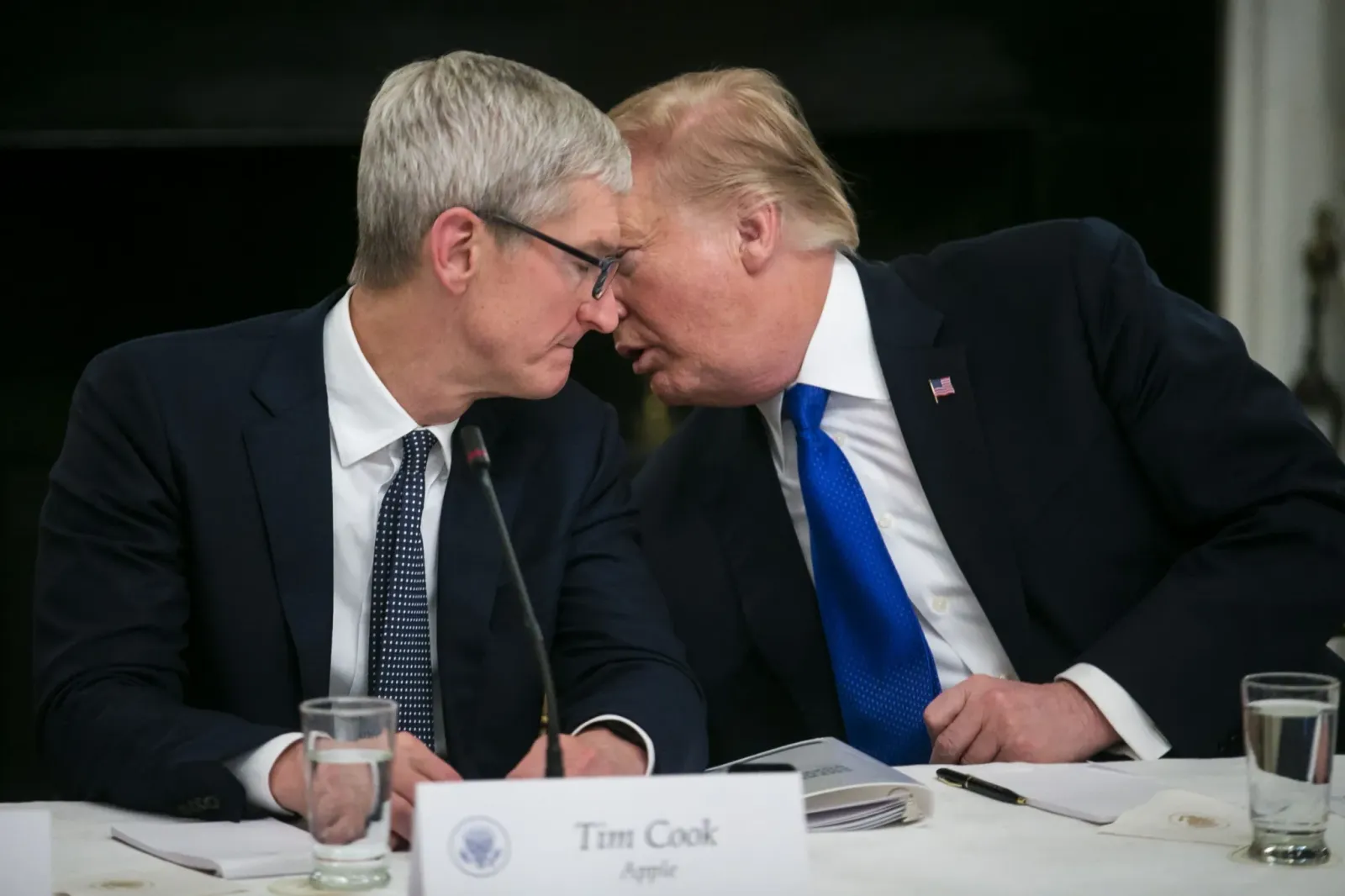
Tim Cook steps down as Apple CEO, stays on as chair with $45M equity
The 'Trump whisperer' keeps his White House and Beijing access as Apple navigates tariffs and a $4.6 trillion market cap.

Snowflake shares surge as AI data demand crushes estimates, lifting full-year forecast
Stocks jumped on stronger-than-expected guidance, signaling enterprise AI workloads are accelerating faster than Wall Street priced in.

Tim Cook's 15-year Apple CEO run ends: 3 lessons for any successor
After 15 years, Tim Cook hands Apple to John Ternus - here's how he turned a $350B company into a $4.6T juggernaut.