

UAE to Examine Banque Misr After U.S. Treasury Iran Accusation
The U.S. Treasury's accusation against Banque Misr's UAE branches could trigger sanctions and reshape Gulf banking compliance.

The U.S. Treasury Department accused Banque Misr's branches in the United Arab Emirates of helping Iran evade sanctions, prompting the UAE central bank to promise an examination. The move signals heightened scrutiny of Gulf-based banks and could force compliance overhauls for institutions with regional exposure.
The U.S. Treasury Department has accused Banque Misr's branches in the United Arab Emirates of helping Iran evade sanctions, and the UAE central bank has pledged to examine the matter. The accusation, which targets an Egyptian state-owned bank's operations in a key Gulf financial hub, could have ripple effects for regional banking compliance.
Treasury's Office of Foreign Assets Control (OFAC) typically issues such accusations when it believes a financial institution has facilitated transactions for sanctioned entities. While the specific details of the alleged conduct were not disclosed in the announcement, the move places Banque Misr's UAE operations under a cloud of suspicion. The UAE central bank's promise of an examination suggests that regulators are taking the matter seriously, potentially leading to fines, restrictions, or even the suspension of operations.
Banque Misr is one of Egypt's largest state-owned banks, with a significant presence across the Middle East. Its UAE branches have been part of its international network, catering to Egyptian expatriates and regional trade. The accusation comes at a time when the U.S. has been intensifying enforcement of sanctions against Iran, particularly targeting financial channels that could be used to circumvent restrictions.
The U.S. has maintained comprehensive sanctions on Iran for decades, with recent administrations adding layers of restrictions on its oil exports, banking, and other sectors. Financial institutions found to be facilitating Iranian transactions face severe penalties, including being cut off from the U.S. financial system. The Treasury's action against Banque Misr's UAE branches is part of this broader enforcement push, which has also targeted other banks and money services businesses in the region.
The UAE is a major financial center, and its banks have historically walked a fine line between serving legitimate trade and avoiding sanctions violations. The central bank's examination of Banque Misr could set a precedent for how other institutions are scrutinized. For banks operating in the Gulf, this development underscores the need for robust compliance programs and rigorous due diligence on clients and transactions that might have indirect links to Iran.
For companies and investors with exposure to the region, the accusation is a reminder that sanctions enforcement can have immediate and far-reaching consequences. Even a preliminary examination can disrupt correspondent banking relationships, delay transactions, and increase compliance costs. Firms that rely on Gulf-based banks for trade finance or cash management should monitor the situation closely and assess their own exposure to any potential fallout.
If the examination finds evidence of sanctions violations, Banque Misr could face fines, asset freezes, or restrictions on its ability to conduct dollar transactions. In extreme cases, the bank could be designated as a sanctioned entity, which would effectively cut it off from international finance. However, it is also possible that the examination clears the bank or results in a settlement, as has happened with other institutions in similar situations.
The Treasury's accusation and the UAE's response highlight the delicate balance between maintaining financial openness and complying with U.S. sanctions. For executives in banking, trade, and investment, this episode serves as a case study in the importance of proactive compliance. The stakes are high: a single misstep can lead to regulatory action that threatens an institution's viability and its clients' access to capital.
This story's Key Insights and Take-aways are locked.
Create a free account to unlock Executive Actions for one credit.
Register to UnlockAlways free for Executives Club members. Join the Club
More in Business
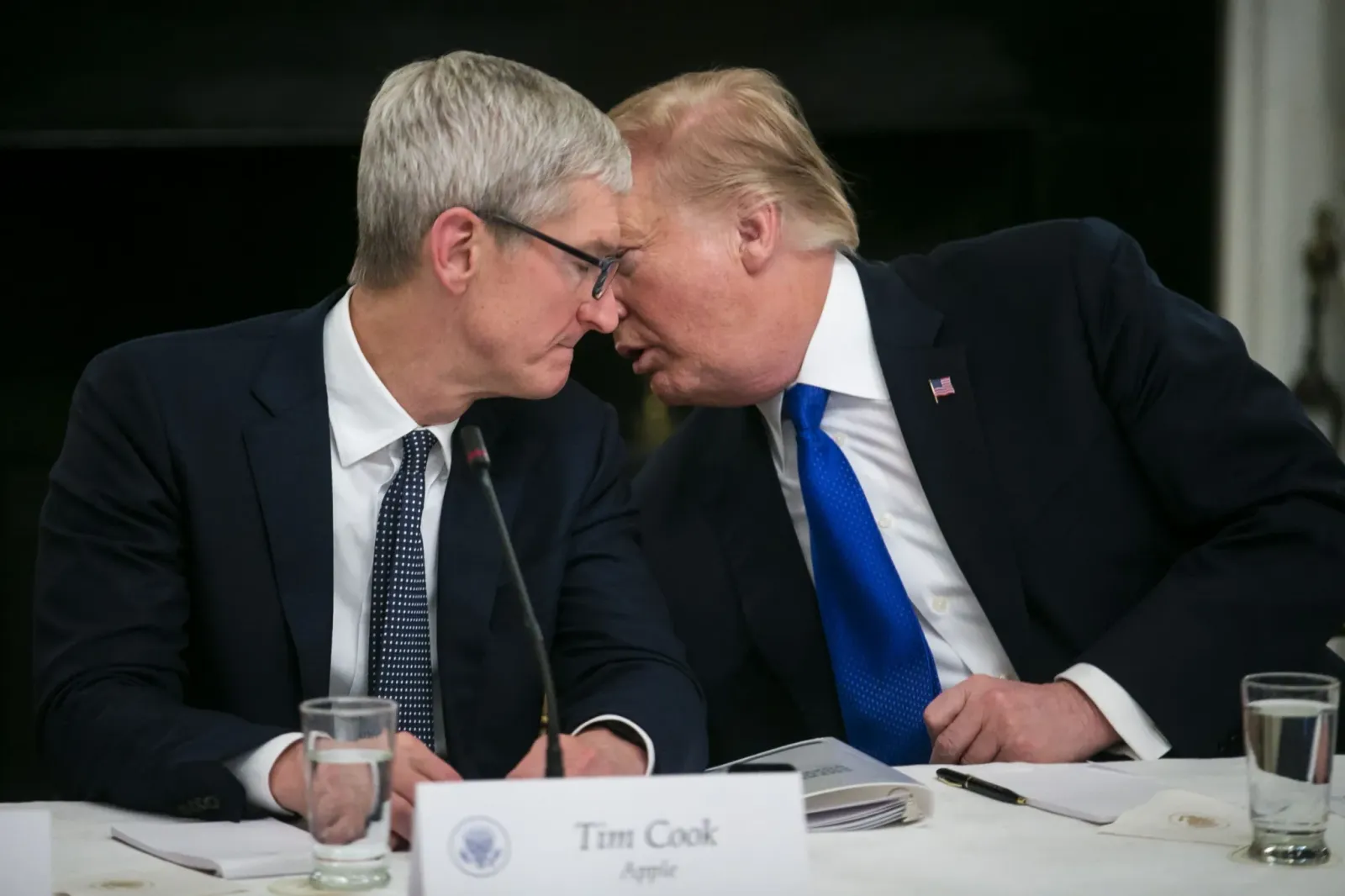
Tim Cook steps down as Apple CEO, stays on as chair with $45M equity
The 'Trump whisperer' keeps his White House and Beijing access as Apple navigates tariffs and a $4.6 trillion market cap.

Snowflake shares surge as AI data demand crushes estimates, lifting full-year forecast
Stocks jumped on stronger-than-expected guidance, signaling enterprise AI workloads are accelerating faster than Wall Street priced in.

Tim Cook's 15-year Apple CEO run ends: 3 lessons for any successor
After 15 years, Tim Cook hands Apple to John Ternus - here's how he turned a $350B company into a $4.6T juggernaut.