
UC San Diego wants a 2,000-phone “low-carbon data center” using Pixel devices
A smartphone-hardware cluster orchestrated by Kubernetes, backed by Google Research, aimed at cutting emissions and costs.
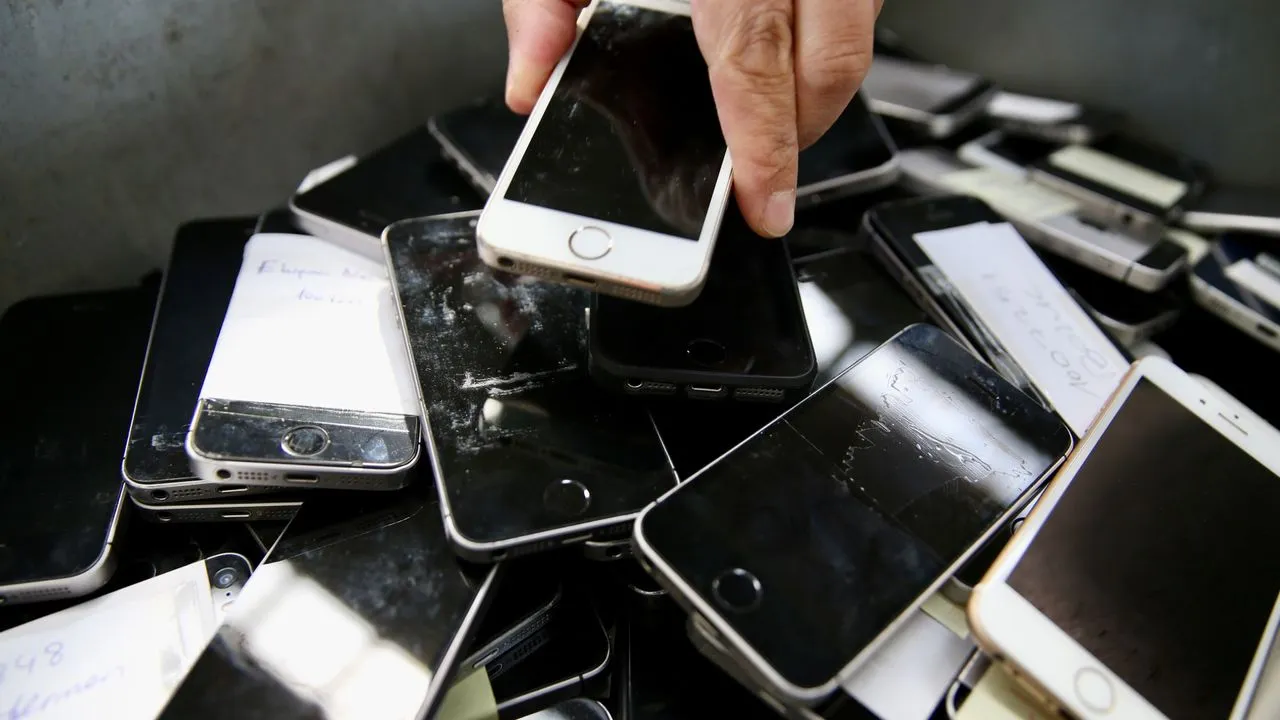
Researchers at the University of California, San Diego, plan to build a low-carbon cloud computing data center by chaining 2,000 Google Pixel smartphones for university grading and research workloads. With Google Research support, the project targets low-cost, low-carbon compute while reducing the need for newly manufactured server hardware.
UC San Diego researchers have a plan that sounds like a thought experiment until you read the details: they want to build a low-carbon data center by chaining 2,000 Google Pixel smartphones together. Not metaphorically. Literally. The pitch is that the computing chips already inside phones can do real cloud work, especially for “relatively lightweight applications,” while avoiding some of the emissions and waste tied to manufacturing fresh server hardware.
The project has a clear operational backbone: Kubernetes orchestrates the phones, each running a Linux distro designed to bypass Android systems that the researchers say would be unsuitable for mass-server deployment. Google Research is supporting the effort, and the stated goal is “hundreds of researchers and students” getting “low-cost, low-carbon cloud computing.” The logic here is simple but unusually concrete. People typically replace smartphones every four years, which means lots of devices hit obsolescence even though many of their processors, memory, and storage chips remain capable.
This is also a story about the real-world problem of e-waste and embodied carbon. The source points out that current data center plans and reports raise environmental concerns, and that manufacturing replacement devices creates additional carbon emissions. If older phone hardware still has useful compute life, then using it can “prevent them from going to landfill” and potentially “negate the need for new hardware in certain applications.” In other words, the proposal tries to address two pain points at once: the waste stream from hardware cycling, and the energy and materials footprint that comes with building new compute infrastructure.
But the researchers are not pretending a phone is a perfect drop-in server. A smartphone is constrained. The source says the single-threaded performance of modern smartphone processor cores is on par with, or better than, many multicore server chips. That sounds promising, then the comparison reveals the friction. Typical older smartphones have only a handful of cores and around 8-12 GB of memory, while servers usually combine dozens of multithreaded cores and access to far more memory. The “hive” approach therefore targets use cases where those limits do not break the workload, rather than trying to replace traditional enterprise infrastructure wholesale.
There is another key limitation, and it is where the plan gets methodical: recycled phones contain components that would be inefficient or even hazardous to deploy at scale, including batteries and displays. The first step is to remove everything but the motherboard and attached chips, which the researchers describe as representing the “most embodied carbon” of the components. Once that stripped-down hardware is in the cluster, the phones can be chained into a server cluster for university usage.
So what does it do, right now? The source reports early experiments: even a moderately sized cluster of 20 phones is capable of supporting peak submission rates for a 75+ student class, with grading latencies below the default AWS backend. That is the kind of benchmark admins care about, because it translates to throughput and turnaround time for a real academic workflow, not just lab metrics. And it also informs the scaling argument: a 2,000-phone deployment is said to be capable of supporting a hundred such classes at once.
Second-order implications for decision-makers are hard to ignore. On one hand, this is a university deployment that uses existing software infrastructure. Kubernetes coordination and Linux-based environments suggest a path to integrate this kind of compute into normal development and grading pipelines. On the other hand, it is a reminder that data center strategy is increasingly intertwined with hardware lifecycles, procurement rules, and sustainability reporting expectations. Even if regulators and frameworks do not yet force this specific architecture, the direction of travel in corporate and public-sector sustainability tends to reward measurable reductions in emissions and waste.
For peers running cloud, infrastructure, or sustainability programs, the risk is twofold. If this works, it pressures the assumption that new silicon is always the best answer for certain classes of workloads. If it does not, it still leaves an actionable lesson: packaging compute into smaller, reusable units, and designing software orchestration around those constraints, can unlock cost and carbon reductions in ways that look less like “greenwashing” and more like engineering.
Net-net: UC San Diego is aiming to turn phone obsolescence into a low-carbon compute layer, with Google Research support and Kubernetes orchestration. For executives and boards, the strategic stake is credibility. This is not a generic sustainability slogan. It is a specific cluster plan backed by early performance claims and an explicit scaling target, where the biggest question is whether the workload fit holds up beyond initial academic pilots.
This story's Key Insights and Take-aways are locked.
Create a free account to unlock Executive Actions for one credit.
Register to UnlockAlways free for Executives Club members. Join the Club
More in Technology

Nvidia's $89B data center quarter: the 9 companies cashing in
The AI buildout is minting fortunes beyond GPUs, and memory, cloud, and cooling suppliers are riding the same wave.
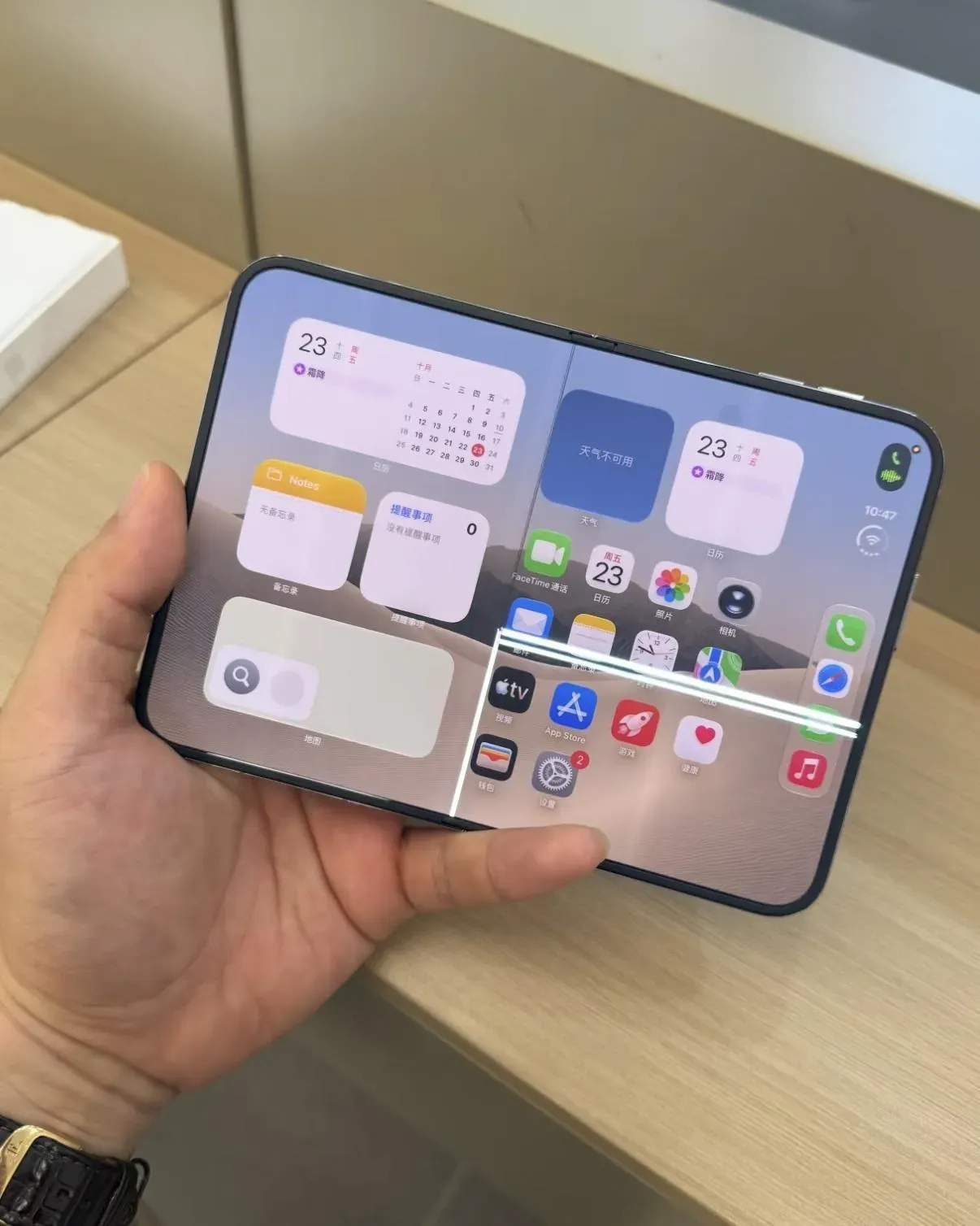
A YouTuber dissected the iPhone Duo and thinks he found crackgate's cause
CuriousHagi's teardown of Apple's foldable reveals a gear-like hinge that may explain why screens crack in the same spot within hours.

Google quietly links your phone number to every Android account on your SIM
Adding a SIM now ties your phone number to all Google accounts - and future accounts inherit it. Here's the security and privacy stakes.