
UK Home Office tests flawed face-scanning age checks, then moves forward anyway
Internal trials show life-altering mistakes are possible, but the government is still pressing ahead with the system.
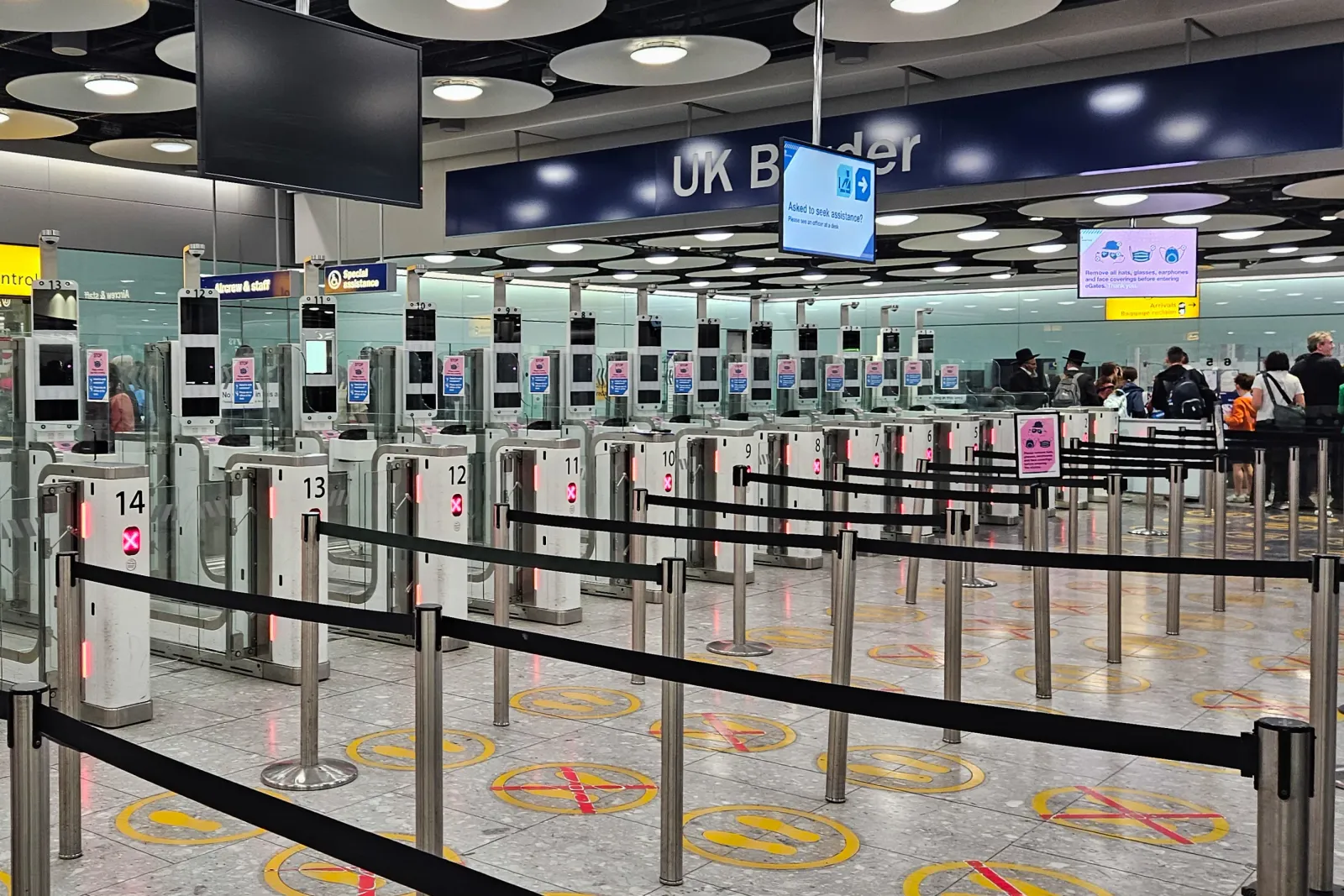
The UK Home Office is conducting age-verification face-scanning for asylum-seekers, based on internal tests of the technology. Despite known flaws in the tech, decision-makers are moving forward anyway, creating high-stakes legal and operational risk.
The UK Home Office is moving forward with face-scanning age checks for asylum-seekers even though internal tests have shown the technology is flawed. Those trials highlight a problem that is hard to soften in any risk framework: when age is assessed by tech, the error rate is no longer an abstract metric. It can become life-altering.
WIRED reports on internal Home Office tests of age-verification technology, and the bottom line is blunt. The tests show the system can produce wrong results, including potentially serious consequences for the individuals caught in the process. Yet the effort continues. That combination, known flaw plus continued rollout, is exactly the kind of governance mismatch that tends to surface later as litigation, reputational damage, or policy reversals.
To understand why this matters beyond one policy memo, zoom out to how age verification is supposed to work in asylum contexts. Age often determines which legal protections and accommodations apply. In many systems, minors are treated differently from adults, from safeguarding obligations to how cases are processed. So if a flawed biometric system “guesses” an age when the subject’s true age is disputed, the mistake does not just create an inconvenience. It can move someone into the wrong procedural track, with real-world impacts.
There is also the incentive structure that makes “move forward anyway” feel tempting. Governments want to reduce administrative load and make decisions faster, especially when caseloads surge. Face-based or biometric-assisted tools promise standardization. They can seem objective. They can look scalable. But internal tests, in this case, are telling the Home Office something uncomfortable: accuracy is not guaranteed, and errors can be consequences-heavy.
This is where the regulatory framing usually comes into play. Biometric systems, particularly those used in high-stakes decisions, are the kind of technology that regulators scrutinize for proportionality, necessity, and safeguards. The core question is not merely whether a tool sometimes works. It is whether the state can justify using the tool at the point where a wrong answer can change someone’s legal standing. If internal testing shows the risk of life-altering errors, decision-makers have to explain what compensating controls exist. Is there a human appeal mechanism? Are there fallback methods? Are errors systematically measured and mitigated? WIRED’s reporting centers the flaw itself and the fact that progress is continuing despite it, which automatically raises those questions for anyone responsible for oversight.
Boards and senior executives tend to think about this as a governance problem. In public-sector terms, it maps to accountability: who owns the risk when a system does not perform as expected? Even when tech vendors claim confidence, internal trials are supposed to function as the reality check. If the reality check flags failure modes but the program still proceeds, stakeholders should assume that the remaining safeguards may be doing more work than the underlying model. That can be a fragile position, because safeguards often come with operational bottlenecks, training needs, and procedural gaps that show up under pressure.
There is also a second-order effect that hits organizations building or deploying similar systems. Once an agency demonstrates it can proceed despite known flaws, it changes the risk expectations for everyone watching. Other governments and contractors may interpret the move as permission to treat internal concerns as manageable, not decisive. That can lower the bar for evidence, accelerate deployments, and widen the gap between what decision-makers say they do and what the system actually does in the field.
For executives, investors, and operators in adjacent domains like identity verification, compliance tech, and regulated AI, this story is a stress test of the entire industry’s promise. Biometric tools are powerful, and in many settings they can reduce fraud or streamline verification. But the moment they touch life-impacting categories, the standard shifts from “it works often” to “it works safely.” The UK Home Office is now living inside that shift, and WIRED’s reporting puts the spotlight on the uncomfortable moment where the state decides to keep going despite evidence that the technology is flawed.
The strategic stakes are clear. If the program later faces legal challenges, appeals, or public backlash, the cost is not only political. It also includes operational rework, system rollback, and the long-term trust hit that can harm future deployments. And for peer organizations deciding whether to invest in or partner on similar tools, this is a warning with real timing: the question is not whether errors happen. It is what you do when they are already documented in internal tests and the rollout plan still advances.
This story's Key Insights and Take-aways are locked.
Create a free account to unlock Executive Actions for one credit.
Register to UnlockAlways free for Executives Club members. Join the Club
More in Technology

Nvidia's $89B data center quarter: the 9 companies cashing in
The AI buildout is minting fortunes beyond GPUs, and memory, cloud, and cooling suppliers are riding the same wave.

Google quietly links your phone number to every Android account on your SIM
Adding a SIM now ties your phone number to all Google accounts - and future accounts inherit it. Here's the security and privacy stakes.

Hijacker AI 'Skynet mode' runs 100,000 attack steps against exposed models
Symantec caught a criminal AI agent that borrows other models, steals data, and mines crypto; the only relief is no confirmed victims yet.