

UK long-term borrowing costs hit highest since 1998 before October Budget
A 27-year peak in the cost of long-term borrowing is rewriting the Budget math before the plan has even been written.

UK long-term borrowing costs have risen to their highest level since 1998, piling fresh pressure on Andy Burnham ahead of his first October Budget. For decision-makers, the move shrinks fiscal headroom and raises the long-term cost of capital across both public and private balance sheets.
Britain's long-term borrowing costs have hit their highest level since 1998, a 27-year peak in the government's cost of debt that lands squarely in the middle of the run-up to the October Budget. The driver is the long-dated gilt yield: the market-set interest rate the United Kingdom pays when borrowing money for 20 or 30 years at a time, and it has risen to a level unseen in a generation. For the Budget machinery, which sets tax and spending against a fixed forecast, the meaning is direct: the interest rate is now priced higher before the Budget has announced a single thing.
The pressure now sits directly on Andy Burnham. Reporting of the rise is clear: higher borrowing costs have piled fresh pressure on him ahead of his first Budget. The squeeze is denominated in fiscal headroom: that is, the gap between the expected debt path and the ceiling of the state's own fiscal rules, and headroom is the number that decides how many new initiatives a Budget can unlock. When long-term yields rise, the projected interest bill rises with them, and headroom evaporates before any announcement is made. The result is a budget that must be written in a tighter room with a higher rent.
The mechanics are the message. A 30-year gilt is the government's promise to pay investors fixed annual returns for three decades, and the yield is the price investors demand to make that promise. Long-term benchmark rates do not follow a central bank's very next decision; they respond to inflation expectations, to what markets think interest rates will average over decades, and to how much new debt supply must find owners. In the United Kingdom, all three forces are pushing in the same direction. That is the difference between a one-day move and a permanent high: the market is not debating this quarter, it is repricing the state against the whole curve of its future.
The 1998 comparison makes clear how deep the threshold is. It has been a generation since the UK last funded itself this expensively for the long-term, and few in the current budget room have planned in levels like these. The benchmark is not just a chart curiosity; it resets the data every future forecast will start from. The decade ahead now opens from a higher funding floor, and every plan built on the assumption of cheap multi-decade money will face a redraft. That redraft is exactly what the market has demanded before a single Budget line has been proposed.
The formal Budget mechanics make the consequences concrete. In the UK, debt-interest projections are built on current market yields, so a 27-year high in the long end enters the forecasts directly. The interest cost rises across the entire forecast horizon, eating the headroom counted before tax and spending titles are settled. The Budget is then forced into a three-way menu: raise additional revenue, cut planned spending, or accept that new policy has less running and. Each of those choices carries its reaction in gilts, and the market will score the results within hours rather than years.
The impact also travels well beyond Westminster. The gilt curve is the reference point for pricing long-term corporate debt, mortgages, and infrastructure finance, so a sovereign move of this history becomes a private-sector move. A CFO modeling the next five years now faces a higher cost of capital, and a banker pricing a 30-year project will adjust the same curve before the Budget is even delivered. The rise cannot be quarantined as a fiscal problem; it is a repricing of money across the whole economy.
All of that makes the reaction of the long-term bond the most important input in the Budget itself. The announcements are watched, fair, but the first hard verdict arrives in the level of yields in the days after. If yields hold, the market is effectively accepting the plan. If they rise beyond the peak, the room that appeared in the morning finds a new rate in a single. The plan and the price have become the same sentence.
The lesson for every occupant of the executive class is this: the cost of long-term money at a 27-year high is not a footnote, it is the new floor for all long-term capital decisions. On Andy Burnham's first Budget, that floor is the binding one. The market is at the table continuously, and the takeaway is the same for any treasury, or finance director, the budget of the long-term is set before the speeches begin.
This story's Key Insights and Take-aways are locked.
Create a free account to unlock Executive Actions for one credit.
Register to UnlockAlways free for Executives Club members. Join the Club
More in Business
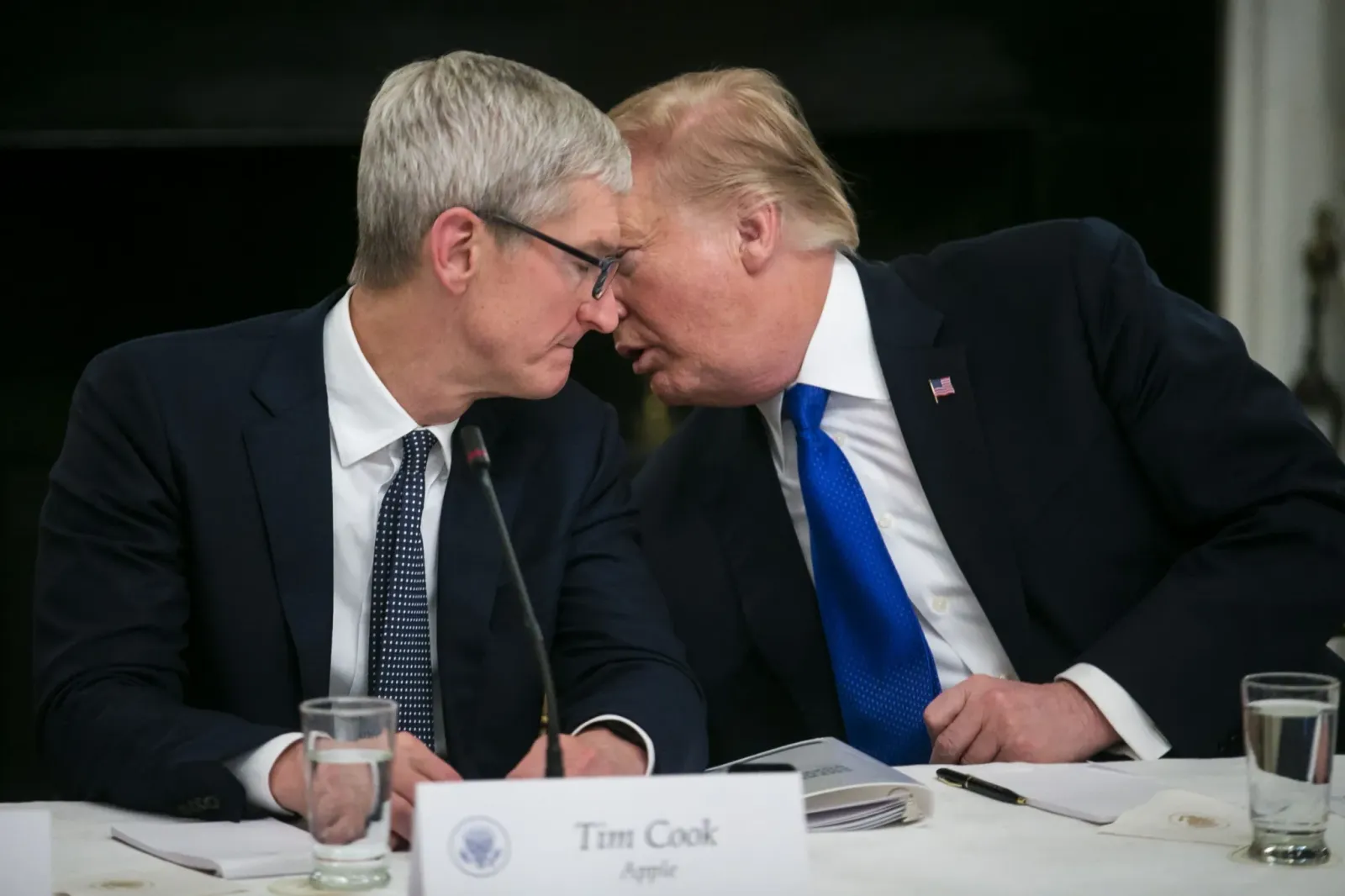
Tim Cook steps down as Apple CEO, stays on as chair with $45M equity
The 'Trump whisperer' keeps his White House and Beijing access as Apple navigates tariffs and a $4.6 trillion market cap.

Snowflake shares surge as AI data demand crushes estimates, lifting full-year forecast
Stocks jumped on stronger-than-expected guidance, signaling enterprise AI workloads are accelerating faster than Wall Street priced in.

Tim Cook's 15-year Apple CEO run ends: 3 lessons for any successor
After 15 years, Tim Cook hands Apple to John Ternus - here's how he turned a $350B company into a $4.6T juggernaut.