
Ukraine names 43-year-old maverick Mykhailo Drapatyi commander in chief after Syrskyi’s dismissal
The appointment follows Kyiv protests over defense minister Mykhailo Fedorov and signals a push toward faster change.

Mykhailo Drapatyi, a 43-year-old brigadier general, was appointed Ukraine’s commander in chief on Tuesday, replacing Oleksandr Syrskyi. The move comes amid days of political turmoil after Fedorov’s ousting and protests, with Drapatyi seen as a “best choice” for modernizing NATO-aligned, tech-forward military tactics.
Ukraine on Tuesday named Mykhailo Drapatyi its new commander in chief. He is 43 years old, a brigadier general, and comes in after the sacking of his predecessor, Oleksandr Syrskyi. The timing matters: this leadership swap is happening after days of political turmoil sparked by the ousting of Ukraine’s popular defense minister, Mykhailo Fedorov.
To understand why this appointment is a big deal, you have to see the pressure cooker first. Thousands gathered last week in Kyiv and other major cities calling for Fedorov’s reinstatement, framing him as a champion of modernization Ukraine’s military urgently needs. Their demands also included firing Syrskyi, whom protesters and critics described as an old-guard, Soviet-style leader who blocked change and reportedly clashed with Fedorov, contributing to the young minister’s removal. Drapatyi, by contrast, is widely viewed as one of the war’s more innovation-friendly generals, part of a younger generation of officers who rose through ranks while fighting after Russia’s 2014 invasion of Crimea.
So what exactly does Drapatyi bring to the job? For one, he is tied to a reputation that is almost unnervingly specific: tactical innovation, drone warfare, recruiting reforms, and accountability among leadership. In Ukrainian military culture, where Soviet-rooted habits can run deep, that kind of “do it differently” stance can become its own political platform. Drapatyi is described as a disciplined commander who defies the old culture while pushing for tactical change. And if that sounds like exactly what protesters want, it is not an accident: Fedorov was publicly praised for doing the same, which is why pundits often talked about them as an “ideal partner” combination for reshaping Ukraine into a more NATO-aligned, tech-savvy force.
This is where the story gets more operational and less personality-driven. Drapatyi first drew public attention in 2014 during fighting in Mariupol as a battalion commander. Then, a rescue mission for surrounded police officers turned into his viral “flying BMP” moment. A video clip shows him leading a column of four infantry fighting vehicles and ordering his BMP driver to charge headlong into a barricade, smashing through to clear the way. At a time when Ukraine’s forces were still finding their footing, that kind of aggressive adaptation helped turn Drapatyi into a celebrity. A month later, he led 260 Ukrainian troops and 30 vehicles to break out of a Russian encirclement in Luhansk. The breakout came after days of being trapped under artillery fire, with Ukrainians fighting their way by night through about 24 miles of enemy territory, losing one soldier in the process.
Leadership in wartime is not just about bold headlines. It’s also about who gets trusted when the front line starts to wobble. Drapatyi climbed through the ranks and was promoted to brigadier general in December 2021, when the full-scale invasion began three months later. During the war, he held field commands in Kherson, Dnipro, Kharkiv, Odesa, and the Donbas, took part in Ukraine’s major 2022 counteroffensive to liberate southern territories, and was described as the general to call when parts of the front line were at risk of collapsing. A senior analyst, Mykola Bielieskov of ComeBackAlive, told Business Insider that Drapatyi is respected among Ukrainian troops as a “decent officer” who stabilized the Kharkiv and Pokrovsk fronts in 2024.
But there is a second, more delicate thread running under all the strategy talk: accountability and institutional friction. One major decision that earned Drapatyi recognition was his resignation as leader of Ukraine’s ground forces in June 2025, after a Russian strike killed 12 soldiers and wounded about 60 others at a Ukrainian military base. Drapatyi said he would relinquish his role to take personal responsibility, describing it as a stand against Ukrainian military culture where accountability from top leadership was rare. Two days later, however, Zelenskyy assigned him command of Ukraine’s joint forces, a role Drapatyi held until his appointment as commander in chief. That sequence matters because it shows a willingness to clash with culture, but also a willingness to keep serving when leadership reallocates trust.
Now zoom out to what this means for decision-makers watching Ukrainian politics like it is a live market. Zelenskyy’s appointment can be read as a step toward defusing public furor over Fedorov’s removal. The defense minister position has been given, for now, to Yevhen Khmara, who previously led Ukraine’s security service. But the protests are not just a one-week storm; demonstrators are still demanding Fedorov’s reinstatement. As Bielieskov put it, “Now it’s about team,” especially who becomes Chief of General Staff and who the MOD chief would eventually be. Translation: even if Drapatyi’s charisma and innovation pitch resonates, Ukraine’s system still needs the right managers in the right boxes.
And here is the hard constraint that doesn’t care about popularity. Bielieskov warned the appointment won’t remove deep systemic challenges Drapatyi will have to tackle, including recruiting struggles, incomplete organizational reforms at the corps level, and a lack of skilled personnel in some roles. In business terms, this is the difference between naming a new operator and fixing the supply chain. Drapatyi may accelerate tactical innovation, but the management of war is still a challenge no matter who sits in the chair.
This story's Key Insights and Take-aways are locked.
Create a free account to unlock Executive Actions for one credit.
Register to UnlockAlways free for Executives Club members. Join the Club
More in Politics
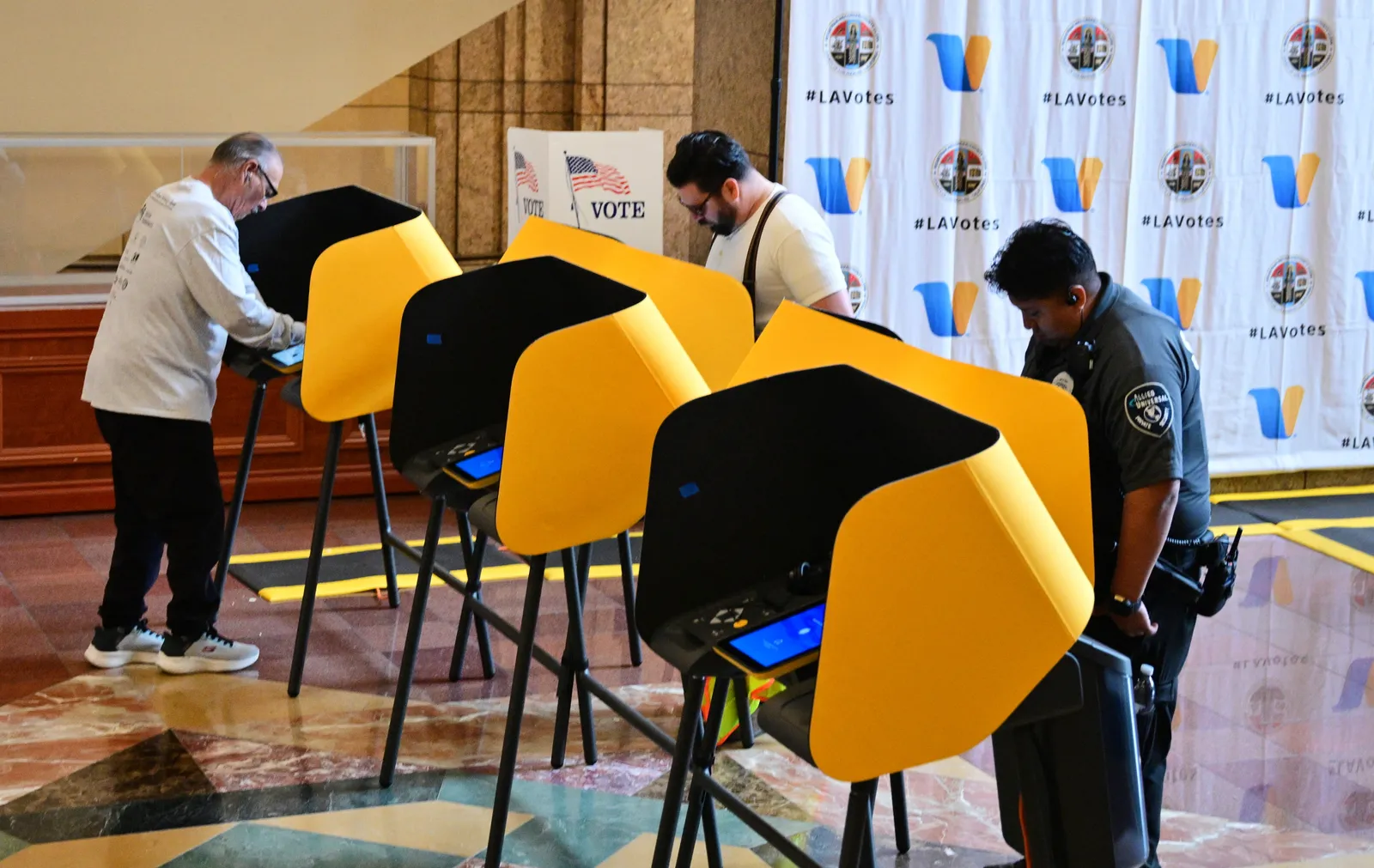
LA County: DOJ's 20,000 'noncitizen' voter list is 'unreliable,' includes U.S.-born
Preliminary review by Los Angeles County election officials finds errors in the federal list, raising the stakes for voter roll integrity ahead of November.
Trump's $1.5B Pentagon chip investment lands in North Carolina
A $1.5 billion defense infusion for North Carolina chipmaking signals a new era of Pentagon-backed reshoring - here's what it means for the industry.
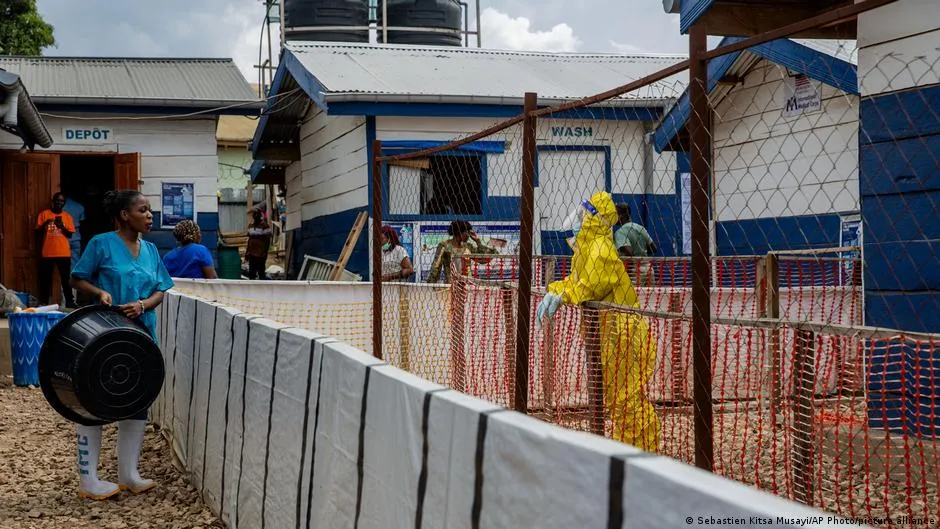
Nigeria confirms first Ebola case in Abuja, a woman just off a Uganda flight
Health Minister Muhammad Ali Pate says the patient flew in from Uganda, putting Africa's latest outbreak on Nigeria's doorstep.