

UNESCO will decide in days whether Normandy's D-Day beaches gain World Heritage status
A nearly 20-year push could culminate July 24-27, boosting global recognition for the landing sites.
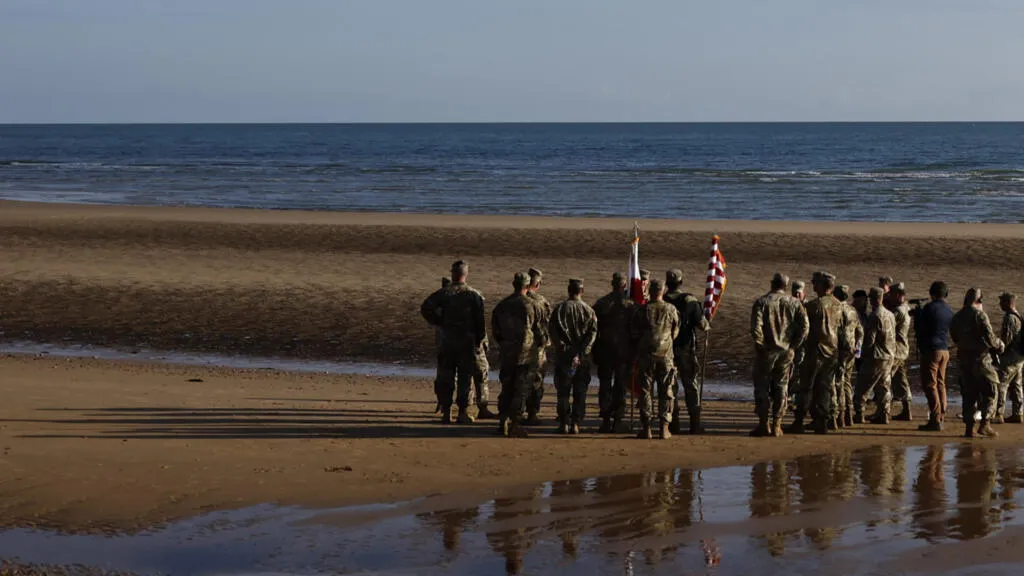
UNESCO is set to announce its decision on whether Normandy's D-Day landing beaches become a World Heritage Site between July 24 and 27. The designation would recognize the beaches' 'outstanding universal value' and raise their international profile, including a site where Allied forces built an artificial harbour.
Normandy's D-Day landing beaches are in the final stretch of a nearly 20-year effort to become a UNESCO World Heritage Site. The UN's cultural agency is set to announce its decision between July 24 and 27, and the outcome could immediately raise the beaches' global visibility.
The stakes are not just ceremonial. UNESCO is expected to base the listing on the beaches' "outstanding universal value," a phrase that, in practice, signals that the site matters to humanity beyond any single country. For decision-makers watching tourism, heritage management, and international reputation, that kind of designation tends to change how places are marketed, funded, and protected.
What makes this particular case click is the specific historical texture of the landscapes. The UNESCO proposal would cover D-Day landing areas across Normandy, a chain of sites tied to the Allied invasion that began in June 1944. And one of the included locations is notably different from a typical battlefield field: it is a place where Allied forces built an artificial harbour. That detail matters because it turns the heritage case from a story about landings alone into a story about engineering, logistics, and how a military operation remade the physical environment.
The fact that this could be a World Heritage listing now, after nearly 20 years of groundwork, also tells you something about how UNESCO decisions actually land. These listings are not last-minute votes. They follow long documentation and planning cycles, where countries and heritage bodies build the case that a site is both historically significant and responsibly managed. In other words, this is the culmination of slow-moving process discipline, not a spur-of-the-moment headline.
For France and for any regional stakeholders tied to the beaches, UNESCO recognition is likely to trigger a second-order shift in how resources are allocated. World Heritage status typically brings more international attention, and that attention has a way of turning into visitor demand. That can help local economies, but it also raises the operational burden on the sites themselves. Heritage managers often have to balance increased foot traffic with preservation obligations so the very features that earn the designation do not deteriorate under the weight of success.
There is also a governance angle here. A UNESCO listing can strengthen a site's position in national conversations about preservation, funding, and land use. When a site carries the explicit stamp of "outstanding universal value," it gives regulators and public bodies another policy lever for long-term protection, which can influence planning decisions far beyond the immediate coastline. That leverage can be valuable when competing interests show up, whether those interests are infrastructure, development pressures, or the practical realities of keeping a large historical area accessible and safe.
Zoom out one layer and consider how this matters to peers and counterpart teams. If Normandy's D-Day beaches move onto the World Heritage list, it reinforces a pattern: UNESCO tends to favor sites where historical meaning is paired with tangible, inspectable evidence on the ground. For other heritage projects, especially those built around major 20th-century events, this is a reminder that the bar is not just narrative importance. It is about proving universal value, managing context, and presenting a credible stewardship plan.
And if the decision lands as expected, from July 24 to July 27, the effect could be immediate. The international profile boost is explicitly part of the logic behind the designation, meaning the beaches would likely be pulled into more global conversations about World Heritage travel, education, and commemoration. That creates a strategic moment for leaders responsible for tourism, cultural programs, and preservation: the listing is not only an honor, it is a platform. The platform brings attention, and attention brings choices. The question for executives and boards is whether their organizations are ready to convert that attention into sustainable outcomes, not just short-term wins.
This story's Key Insights and Take-aways are locked.
Create a free account to unlock Executive Actions for one credit.
Register to UnlockAlways free for Executives Club members. Join the Club
More in Politics

LA County: DOJ's 20,000 'noncitizen' voter list is 'unreliable,' includes U.S.-born
Preliminary review by Los Angeles County election officials finds errors in the federal list, raising the stakes for voter roll integrity ahead of November.

Trump's $1.5B Pentagon chip investment lands in North Carolina
A $1.5 billion defense infusion for North Carolina chipmaking signals a new era of Pentagon-backed reshoring - here's what it means for the industry.

Nigeria confirms first Ebola case in Abuja, a woman just off a Uganda flight
Health Minister Muhammad Ali Pate says the patient flew in from Uganda, putting Africa's latest outbreak on Nigeria's doorstep.