

US Sanctions on Banque Misr in UAE: What Regional Banks Must Know
Egyptian bank's UAE operations face US sanctions, raising compliance stakes for regional lenders and trade finance.
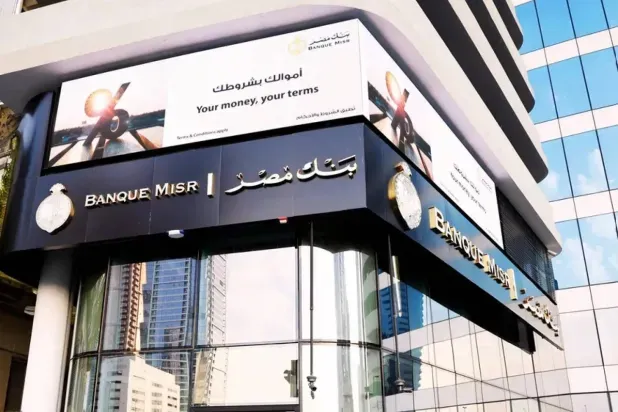
US sanctions have targeted Banque Misr's operations in the UAE, a key financial hub for Egyptian expatriates and trade. The move signals heightened scrutiny of financial flows and could disrupt remittance corridors and correspondent banking relationships.
The US Treasury has imposed sanctions on Banque Misr's operations in the United Arab Emirates, a move that places one of Egypt's largest state-owned banks under the spotlight of global financial compliance. The sanctions, which target the bank's UAE presence, come amid a broader US effort to curb financial flows that could support sanctioned entities or activities. While the exact scope of the measures remains unclear, the designation effectively freezes any assets held by Banque Misr in the UAE and prohibits US persons from engaging in transactions with the bank's UAE operations.
Banque Misr, founded in 1920, is Egypt's second-largest state-owned bank, with a significant international footprint. Its UAE operations have long served as a critical link for the millions of Egyptian expatriates working in the Gulf, facilitating remittances that contribute billions of dollars to Egypt's economy annually. The bank also plays a role in trade finance, supporting imports and exports between Egypt and the UAE, a major trading partner.
The sanctions could disrupt these flows. Egyptian workers in the UAE who rely on Banque Misr for remittances may need to find alternative channels, potentially driving them to money transfer operators or other banks. This could increase costs and delays, and it may also reduce the transparency that formal banking channels provide. For trade finance, companies using Banque Misr's UAE arm for letters of credit or other instruments will need to reassess their arrangements, as US sanctions typically prohibit any US involvement in such transactions.
The designation also sends a signal to the broader banking community in the Gulf and beyond. Banks that maintain correspondent relationships with Banque Misr's UAE operations may now face pressure to sever those ties to avoid secondary sanctions. This could ripple through the regional financial system, affecting not only Egyptian banks but also international banks that have exposure to the UAE market. Compliance teams across the region will be scrutinizing their transaction flows to ensure they are not inadvertently facilitating prohibited activity.
US sanctions on banks are not new. The Office of Foreign Assets Control (OFAC) has a long history of designating financial institutions that are deemed to be involved in money laundering, terrorist financing, or transactions with sanctioned countries. In recent years, the US has increasingly used financial sanctions as a tool of foreign policy, targeting entities in countries like Russia, Iran, and Venezuela. The move against Banque Misr's UAE operations suggests that the US is also focusing on financial hubs in the Gulf, which have become central to global trade and finance.
The sanctions could strain relations between the US and Egypt, a key ally in the Middle East. Egypt has received significant US military and economic aid, and the two countries cooperate on security and counterterrorism. However, the US has also expressed concerns about human rights and governance in Egypt. The designation of a state-owned bank could be seen as a punitive measure, though the US may argue that it is targeting specific activities rather than the Egyptian state. Economically, Egypt is already facing high inflation and a currency crisis, and any disruption to remittances could exacerbate these challenges.
For regional banks and businesses, the immediate priority is to assess exposure. This includes reviewing any transactions involving Banque Misr's UAE operations, as well as any indirect exposure through correspondent banking. Compliance teams should update their sanctions screening lists and ensure that they are not processing payments that could be linked to the designated entity. Legal counsel should be consulted to understand the full scope of the sanctions and any potential secondary sanctions risks. In the longer term, this episode underscores the importance of robust sanctions compliance programs, particularly for institutions operating in the Gulf, where financial flows are diverse and often cross multiple jurisdictions.
This story's Key Insights and Take-aways are locked.
Create a free account to unlock Executive Actions for one credit.
Register to UnlockAlways free for Executives Club members. Join the Club
More in Business
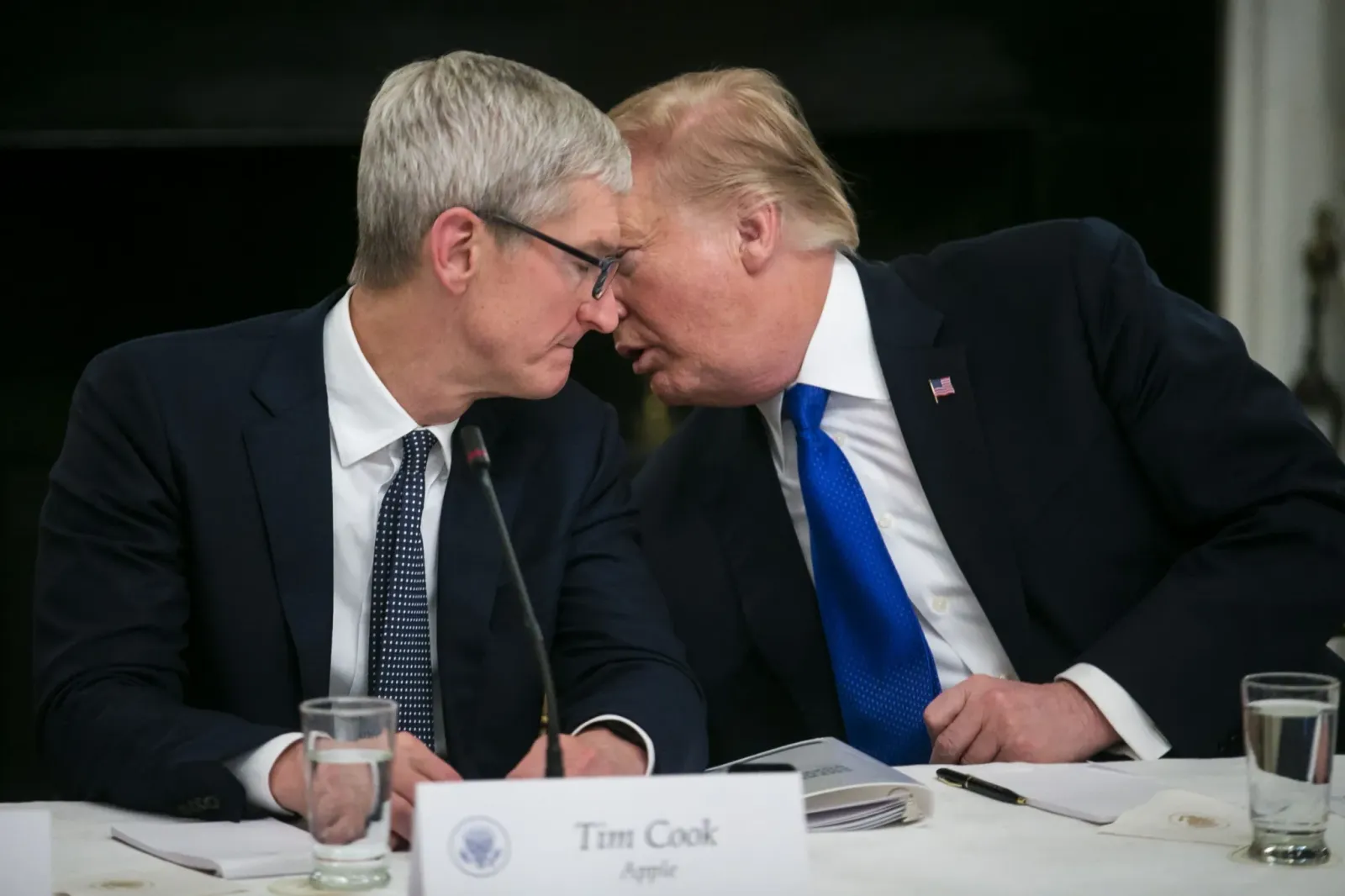
Tim Cook steps down as Apple CEO, stays on as chair with $45M equity
The 'Trump whisperer' keeps his White House and Beijing access as Apple navigates tariffs and a $4.6 trillion market cap.

Snowflake shares surge as AI data demand crushes estimates, lifting full-year forecast
Stocks jumped on stronger-than-expected guidance, signaling enterprise AI workloads are accelerating faster than Wall Street priced in.

Tim Cook's 15-year Apple CEO run ends: 3 lessons for any successor
After 15 years, Tim Cook hands Apple to John Ternus - here's how he turned a $350B company into a $4.6T juggernaut.