

Vancomycin returns against drug-resistant E. faecium by pairing pghi-4 with the old antibiotic
Rather than inventing a new drug, researchers used pghi-4 to block a resistance-linked enzyme and revive vancomycin’s kill power.
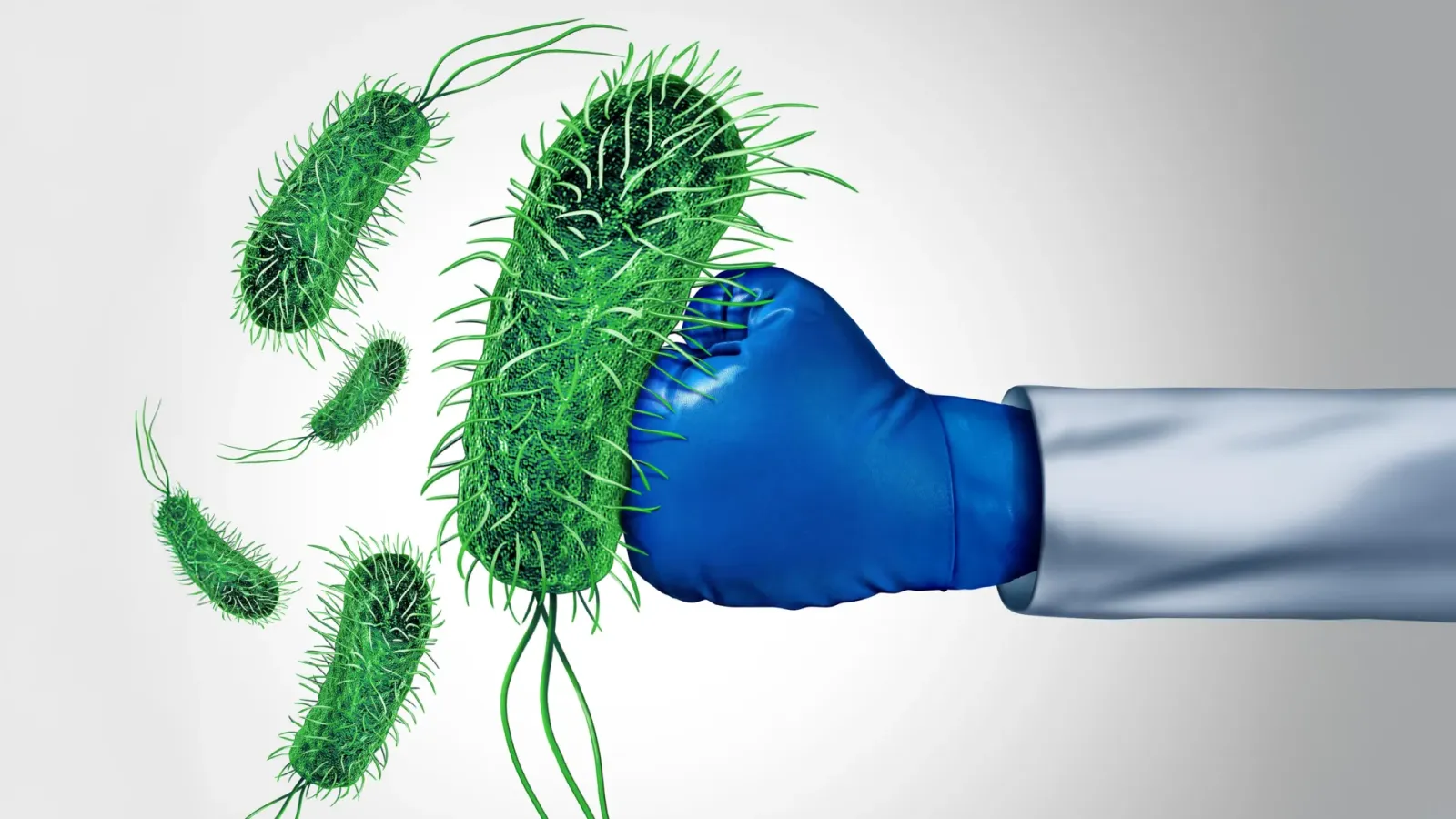
Scientists report a way to restore vancomycin’s effectiveness against drug-resistant E. faecium by pairing it with a small molecule called pghi-4. For decision-makers, this signals a credible path to rescue existing antibiotics through targeted combination chemistry rather than starting from scratch.
Vancomycin, one of medicine’s most powerful antibiotics, is getting a second life against drug-resistant E. faecium. The key move is not a brand-new drug design. Instead, researchers paired vancomycin with a small molecule called pghi-4, which blocks a bacterial enzyme tied to resistance. In tests described by ScienceDaily, the combination restored vancomycin’s ability to kill drug-resistant E. faecium.
That reversal matters because the whole problem with “superbugs” is that they have learned how to outsmart the old rules. Some dangerous bacteria have developed resistance to vancomycin, turning a historically strong treatment into a weaker option in the real world. By interrupting the resistance mechanism using pghi-4, scientists essentially gave vancomycin its bite back. And importantly for everyone watching antibiotic pipelines, this approach suggests you may not need to build an entirely new antibiotic to beat resistance. You may be able to unjam the system by adding a chemical helper that targets the specific enzyme involved in defense.
This is the kind of strategy that should get board attention because it changes the risk profile of antibiotic development. Developing an entirely new antibiotic is expensive, slow, and scientifically uncertain, especially when bacterial resistance evolves under real-world pressure. Combination therapy, by contrast, starts with something already known. Vancomycin is not an experimental blank slate. The underlying idea is to keep the existing antibiotic as the “weapon” and use pghi-4 as the “unlock,” blocking the bacterial enzyme linked to resistance so the antibiotic can do what it was built to do.
There is also a practical urgency baked into this story. Drug-resistant E. faecium is a representative example of why “antibiotic churn” is so hard. When bacteria resist the medicine clinicians rely on, every delay in effective treatment becomes a systems problem, not just a lab problem. Decision-makers in pharma and biotech, and even public health planners, care less about theoretical breakthroughs and more about whether a strategy could translate into real therapeutic options. The ScienceDaily report frames the work around “reviving” vancomycin rather than replacing it, which is precisely how many organizations hope antibiotic progress can happen: extend the utility of existing tools while the pipeline catches up.
Regulators tend to look at antibiotic claims through the lens of safety, efficacy, and the risk of resistance rebound. Even with the same antibiotic base, adding a small molecule helper raises questions that must be addressed, like how the combination performs across relevant bacterial strains and how dosing and potential side effects are managed. The core scientific claim from the source is straightforward: pghi-4 blocks a bacterial enzyme linked to resistance, and the pairing restored vancomycin’s ability to kill drug-resistant E. faecium. The next layer for stakeholders is the same layer regulators and payers always stress, how reliably it works outside of the initial experimental setup and whether resistance mechanisms shift when you apply pressure through combinations.
This kind of “chemical helper” concept is also a reminder that antibiotic resistance is biochemical, not mystical. Superbugs are not just refusing to die. They are performing specific operations in the cell, including enzyme-linked defenses. When a small molecule can block the resistance-linked enzyme, it turns a vague arms race into something you can engineer. For executives building portfolios, that turns antibiotic discovery into a more modular problem: identify the bacterial resistance mechanism, then develop a helper that neutralizes the mechanism, allowing the antibiotic to function again.
Second-order implications extend to how investors and companies might think about pipeline design. If similar helpers can rescue other failing medicines, the economic and strategic logic changes. Instead of betting everything on de novo antibiotics, organizations could pursue combination stacks that leverage existing antibiotic assets. That can reduce the dependence on single-compound success and potentially make it easier to stage development, because the “antibiotic” and the “helper” each offer a trackable, hypothesis-driven path. Of course, the source only explicitly describes vancomycin paired with pghi-4, with results against drug-resistant E. faecium, and frames the broader idea as hope for similar rescue strategies.
For peers in similar roles, the strategic stakes are clear: antibiotic effectiveness is a limited resource under resistance pressure, and the market for workable solutions is shaped by that scarcity. This study offers a concrete proof point that you can revive a respected antibiotic that has been defeated by resistance, by targeting an enzyme tied to that resistance with a small molecule. If that playbook holds up in further studies, it could reshape how boards evaluate antibiotic programs, how teams allocate R&D dollars, and how quickly the sector can respond when superbugs move faster than new drug timelines.
This story's Key Insights and Take-aways are locked.
Create a free account to unlock Executive Actions for one credit.
Register to UnlockAlways free for Executives Club members. Join the Club
More in Science

Orcas smash fish on camera, and researchers say it may be strategy or play
A new video shows orcas destroying fish, raising a real question for researchers: is it training, or just amusement?

Orcas in Gulf of California ram sunfish together until the carcasses explode
A new Frontiers in Ethology paper documents cooperative “ramming” that may be practice, play, or social learning.

Orcas “ram-to-fragment” dead sunfish into bite-sized pieces for calves
Two Gulf of California observations show coordinated hold-and-release smashing, with scientists calling it “ram-to-fragment.”