
Venezuela's leader defends 65bn-barrel oil deal with Trump amid outrage
The deal could reshape global oil flows and test US sanctions policy, but critics see a giveaway of national assets.

Venezuela's interim president Delcy Rodríguez defended the controversial oil deal with the Trump administration that would give the US control of 65 billion barrels of reserves. For energy executives and investors, the deal signals a potential shift in US-Venezuela relations and oil market dynamics, but political and legal risks remain high.
Venezuela's interim president, Delcy Rodríguez, took to the airwaves on Saturday to defend the oil agreement with the Trump administration that would reportedly hand the US control of 65 billion barrels of the country's crude reserves. The deal, which Trump has called 'the biggest oil deal in world history,' has sparked outrage at home, where critics see it as a giveaway of national patrimony. Rodríguez insisted that Venezuela would maintain ownership and sovereignty over its oil, even as the agreement's terms remain murky.
Rodríguez assumed power in January after Trump ordered the abduction of her predecessor, Nicolás Maduro, a move that drew international condemnation and further isolated the already-sanctioned nation. Her government has been struggling to stabilize an economy in freefall, with hyperinflation and collapsing production. The oil deal is seen as a lifeline, but also as a capitulation to Washington's demands.
The deal's structure is still unclear, but reports suggest it would give US companies significant control over Venezuelan oil fields and exports, potentially for decades. For a country that nationalized its oil industry in the 1970s, this represents a dramatic reversal. Opposition leaders and energy experts have warned that the terms could lock Venezuela into unfavorable arrangements, while failing to address the root causes of its production decline - underinvestment, brain drain, and crumbling infrastructure.
For global oil markets, the deal could be a game-changer. Venezuela sits on the world's largest proven oil reserves, but its output has plummeted over the past two decades, from more than 3 million barrels per day to under 1 million today. If US companies can revive production, it could add significant supply to a market that has been tight due to OPEC+ cuts and geopolitical tensions. However, the legal and political hurdles are immense: the deal would need to survive challenges from Maduro's supporters, who still control much of the state apparatus, and from international creditors seeking repayment of billions in defaulted bonds.
The US sanctions regime on Venezuela has been a key obstacle to foreign investment. While the Trump administration has signaled a willingness to ease some restrictions as part of the deal, any change would require congressional oversight and could be reversed by future administrations. Moreover, the deal's legitimacy is questionable given the circumstances of Rodríguez's rise to power. The abduction of Maduro, which the US has not officially acknowledged, raises serious questions about the rule of law and the enforceability of contracts signed under such conditions.
At home, the deal has deepened political divisions. Some Venezuelans see it as the only way to revive the economy and restore relations with the US, while others view it as a betrayal of the country's sovereignty. Internationally, allies like Russia and China, which have invested heavily in Venezuelan oil, are watching closely. They could retaliate by backing Maduro's faction or by seeking legal recourse against any transfer of assets. The deal also sets a precedent for how the US might handle resource-rich nations in political turmoil.
For energy executives, the deal represents a high-risk, high-reward opportunity. The potential upside is enormous - access to some of the cheapest-to-extract oil in the world, if infrastructure can be rebuilt. But the downside is equally large: political instability, legal uncertainty, and the possibility of expropriation if the government changes again. Companies will need to weigh the potential returns against the risk of being caught in a geopolitical crossfire. The deal also signals that the Trump administration is willing to use unconventional tactics to secure energy resources, which could have implications for other countries with strategic reserves.
Rodríguez's defense of the deal is a gamble. She is betting that the promise of US investment and technical expertise can revive Venezuela's oil industry and, by extension, its economy. But the path forward is fraught with obstacles, from legal challenges to political opposition. For now, the world watches as one of the most resource-rich but troubled nations attempts to strike a bargain with its former adversary. The outcome will not only determine Venezuela's future but also reshape the global energy landscape for years to come.
This story's Key Insights and Take-aways are locked.
Create a free account to unlock Executive Actions for one credit.
Register to UnlockAlways free for Executives Club members. Join the Club
More in Business
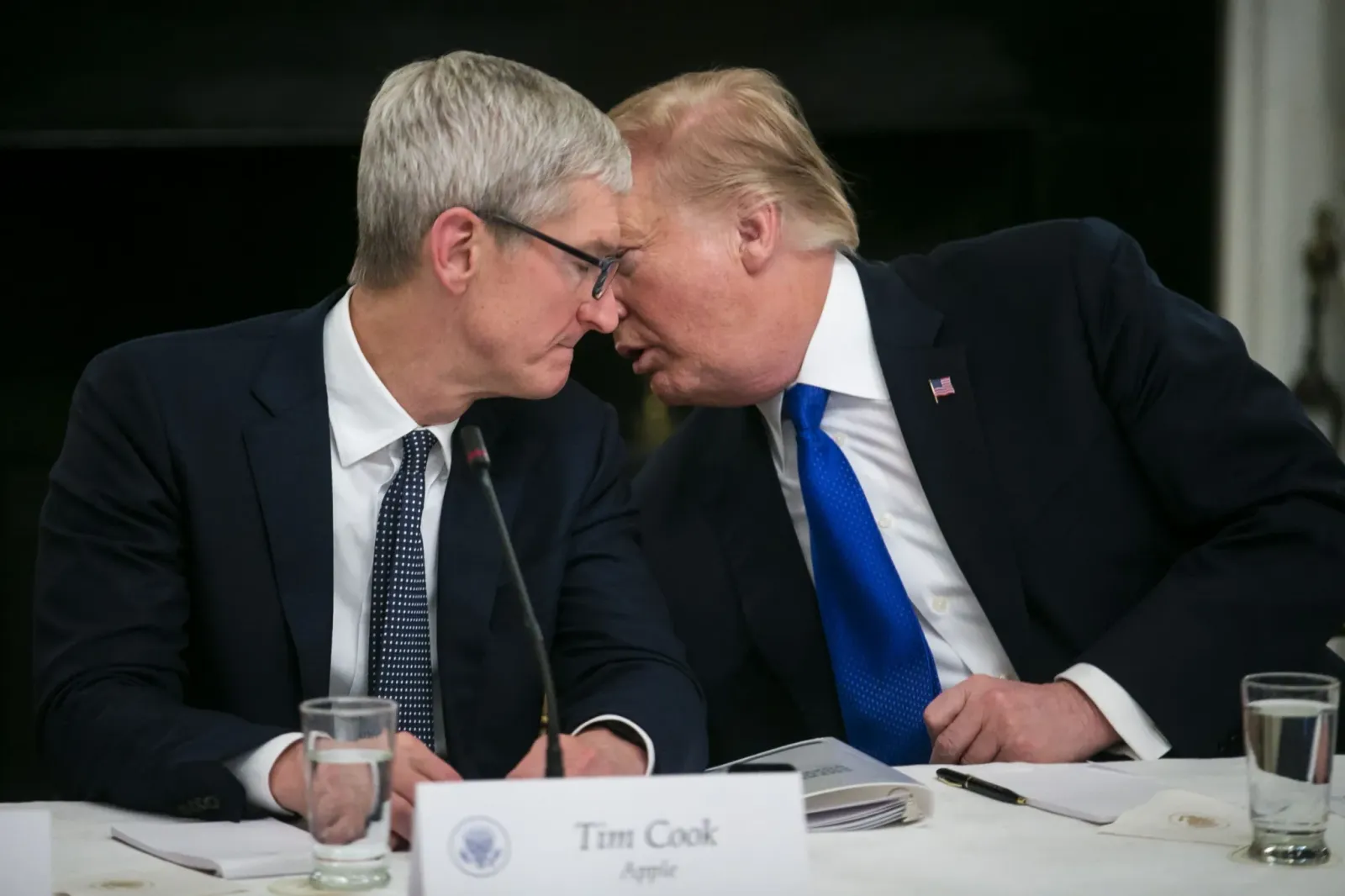
Tim Cook steps down as Apple CEO, stays on as chair with $45M equity
The 'Trump whisperer' keeps his White House and Beijing access as Apple navigates tariffs and a $4.6 trillion market cap.
Snowflake shares surge as AI data demand crushes estimates, lifting full-year forecast
Stocks jumped on stronger-than-expected guidance, signaling enterprise AI workloads are accelerating faster than Wall Street priced in.
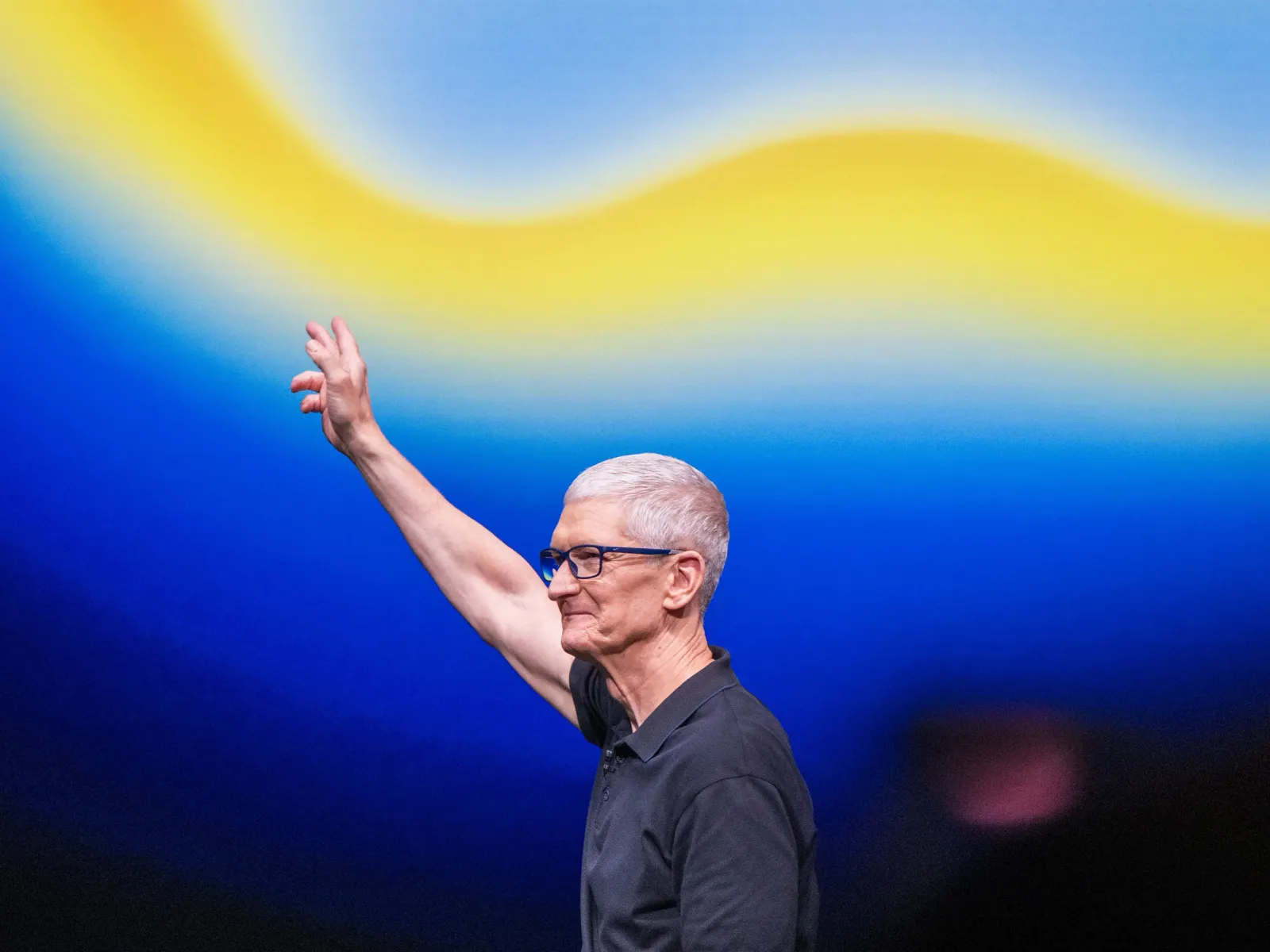
Tim Cook's 15-year Apple CEO run ends: 3 lessons for any successor
After 15 years, Tim Cook hands Apple to John Ternus - here's how he turned a $350B company into a $4.6T juggernaut.