
Vietnam's parliament approves first nuclear project, reversing 2016 freeze
The approval ends nearly a decade of atomic energy dormancy and opens a new front in Southeast Asia's power race - here's what it means for investors, grid planners, and manufacturers.
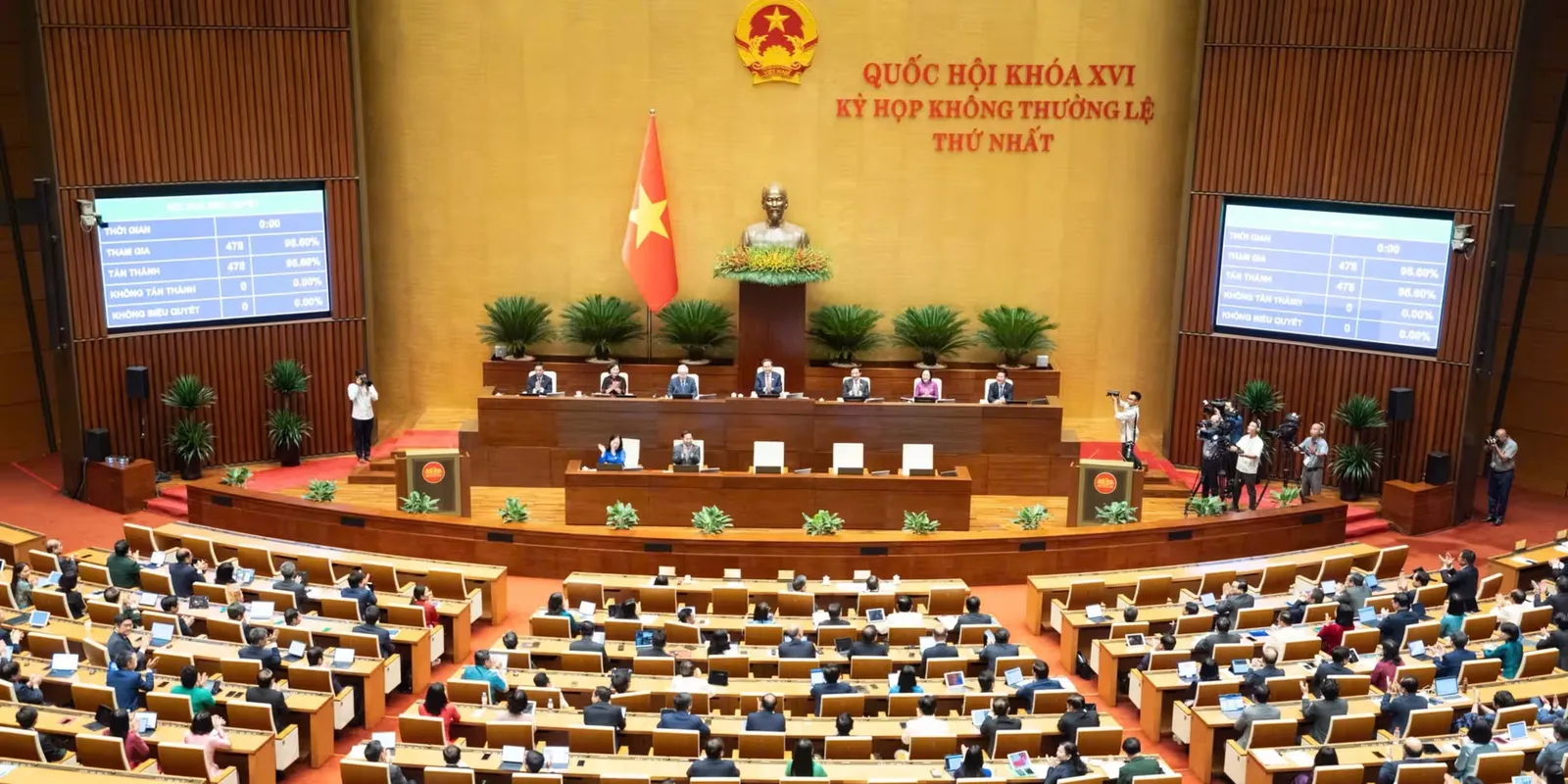
Vietnam's National Assembly has approved the country's first nuclear power project, reversing a 2016 decision to shelve atomic energy. For decision-makers, the move signals a major shift in Vietnam's energy strategy and opens new opportunities for foreign contractors, financiers, and technology vendors.
Vietnam's parliament has approved the country's first nuclear power project, formally reversing the 2016 decision that shelved atomic energy plans. The vote, reported by Nikkei Asia, marks a turning point for a fast-growing economy that has struggled to keep its grid reliable amid a manufacturing boom. The approval is a policy green light; specific decisions on site, reactor design, and vendor will come in subsequent steps, but the legal path is now open.
The 2016 shelving followed the Fukushima disaster and concerns over cost and safety. Now, with power demand surging and coal imports rising, Hanoi is turning back to the atom. The reversal is not a surprise to close observers - Vietnam's power development plans have repeatedly flagged nuclear as a long-term option - but the parliamentary vote gives it formal political backing. That matters because nuclear projects require decades of commitment and cross-party consensus to survive changes in government.
Vietnam has been one of Asia's fastest-growing economies, but its power grid has repeatedly strained under demand from factories and data centers. In recent years, the country has experienced power shortages that forced manufacturers to adjust output and, in some cases, temporarily halt production. Nuclear power offers a low-carbon, high-capacity baseload source that can run around the clock, unlike solar and wind, which depend on weather and daylight. For a country that has leaned heavily on coal, nuclear also offers a path to reduce emissions without sacrificing industrial growth.
The move aligns Vietnam with a broader regional shift. For context, China, India, and Indonesia are all expanding nuclear capacity, while Japan has restarted reactors idled after Fukushima. Vietnam's decision is particularly notable because it comes from a country that once walked away from the technology. The about-face reflects a pragmatic assessment: renewable energy alone cannot power heavy industry, and imported liquefied natural gas is expensive and volatile. Nuclear, despite its upfront costs, offers price stability over decades.
For global engineering firms and energy investors, the approval opens a new market. Vietnam's nuclear program will require billions of dollars in civil works, turbine supply, and fuel services. Established nuclear vendors with experience in emerging-market builds are potential contenders for contracts, though no vendor has been named. The approval sets the stage for a competitive selection process that could reshape Vietnam's energy import bill and its industrial competitiveness. Companies that supply safety systems, cooling technology, and grid integration services will also be watching closely.
Financing will be a key test. Nuclear plants are among the most capital-intensive infrastructure projects, with typical construction times of a decade or more. Vietnam's government will need to balance state investment with private participation, and it will need to build a regulatory framework that can reassure lenders and insurers. The country's early nuclear plans collapsed in part because of financing and cost concerns, so the new program will be scrutinized for how it avoids those pitfalls. International partners, including Russia and South Korea, have expressed interest in Vietnam's nuclear ambitions in the past, but no formal agreements have been announced.
For executives in Vietnam's manufacturing supply chain, the nuclear decision is a signal that the government is serious about long-term energy security. That matters for factory location decisions, power purchase agreements, and capital planning. A stable, low-carbon baseload source could make Vietnam more attractive to foreign investors who are increasingly demanding clean energy for their operations. For regional energy planners, Vietnam's move adds another data point to the global nuclear revival - and a reminder that the atom is back on the table in Southeast Asia.
The approval is a first step, not a finished plant. Site selection, vendor choice, and construction will take years. But the political signal is unambiguous: Vietnam is back in the nuclear game, and the companies that serve the energy transition should take note. The next milestones - site licensing, vendor selection, and financing structure - will determine whether this time the program actually gets built.
This story's Key Insights and Take-aways are locked.
Create a free account to unlock Executive Actions for one credit.
Register to UnlockAlways free for Executives Club members. Join the Club
More in Business

Tim Cook steps down as Apple CEO, stays on as chair with $45M equity
The 'Trump whisperer' keeps his White House and Beijing access as Apple navigates tariffs and a $4.6 trillion market cap.

Snowflake shares surge as AI data demand crushes estimates, lifting full-year forecast
Stocks jumped on stronger-than-expected guidance, signaling enterprise AI workloads are accelerating faster than Wall Street priced in.

Tim Cook's 15-year Apple CEO run ends: 3 lessons for any successor
After 15 years, Tim Cook hands Apple to John Ternus - here's how he turned a $350B company into a $4.6T juggernaut.