
VW's Surprise Job Cuts: A Win for Bosses, a Blow to Germany's Labor Model
The deal hands management unprecedented flexibility while eroding the co-determination system that has defined German industry for decades.

Volkswagen's management secured a surprise agreement to slash jobs, marking a decisive victory for executives over labor unions. The deal weakens Germany's co-operative industrial relations model, signaling a shift that could ripple across the country's manufacturing sector.
Volkswagen's leadership just pulled off what many thought impossible: a sweeping job-cutting deal that caught unions off guard and handed management a decisive win. The agreement, announced without the usual fanfare of prolonged negotiations, allows the automaker to reduce its workforce significantly, a move that would have been unthinkable under Germany's traditional co-determination framework. For the bosses, it's a triumph of flexibility over the rigid labor protections that have long defined the country's industrial landscape. For the workers and the model itself, it's a stark reminder that even the mightiest pillars of co-operation can crack under financial pressure.
The deal strikes at the heart of Germany's co-operative industrial relations, a system where labor unions hold seats on supervisory boards and works councils wield real power over hiring, firing, and plant decisions. Volkswagen, with its iconic works council and IG Metall union presence, has been the poster child of this model. The surprise nature of the agreement suggests that management found a way to bypass or override the usual consensus-driven process, or at least forced unions into a corner where they had to accept painful cuts. This is not just a corporate restructuring; it's a symbolic blow to the idea that workers and executives can jointly steer a company through tough times.
Why does this matter beyond VW's factory gates? Because Germany's economic strength has long been built on the stability that co-determination provides. When workers have a real stake in decisions, they are more willing to accept wage moderation or flexible hours during downturns, which helps companies avoid mass layoffs and keeps skilled labor intact. The VW deal breaks that social contract. If management can now push through job cuts with minimal resistance, other German manufacturers will likely follow suit, emboldened by the precedent. The ripple effect could reshape labor relations across the automotive sector, which employs hundreds of thousands and anchors the country's export economy.
The timing is no accident. The auto industry is undergoing a seismic shift toward electric vehicles, a transition that demands massive investment in new technology and battery production. Traditional internal combustion engine jobs are disappearing faster than new EV roles are created. VW, like its peers, is under intense pressure to cut costs to fund this transformation. The surprise deal suggests that management decided the old way of doing things-endless negotiations, compromise, and gradual adjustments-was too slow for the pace of change. They wanted a clean break, and they got it.
But the victory may be pyrrhic. By alienating labor, VW risks losing the very trust that has enabled smooth operations during past crises. German workers are known for their productivity and willingness to go the extra mile when they feel their interests are respected. If that trust erodes, the company could face increased absenteeism, slower innovation, and even sabotage or strikes down the line. The unions, though defeated this time, are not powerless. They can still disrupt production through legal challenges or by mobilizing workers at other plants. The deal might solve short-term cost problems but could create long-term cultural damage.
For other German companies, the lesson is clear: the co-determination model is not invincible. It can be circumvented when management is determined and the economic case is compelling. This will likely embolden executives in other industries to push for similar concessions, testing the limits of labor's influence. At the same time, it puts pressure on unions to adapt their strategies, perhaps by being more flexible on issues like working hours or pay in exchange for job security guarantees. The balance of power has shifted, and both sides will need to recalibrate.
What does this mean for policymakers in Berlin? The government has long championed co-determination as a key pillar of the social market economy. A high-profile case like VW could spark debates about whether the system needs reform to remain competitive in a globalized, fast-changing economy. Some will argue that the VW deal proves the model is too rigid and needs to be loosened. Others will see it as a warning that without strong labor protections, workers will bear the brunt of corporate restructuring. The political fallout could influence future legislation on corporate governance and labor rights.
For investors, the deal is a positive signal. It shows that VW's management is willing to make tough decisions to protect profitability and fund its EV transition. The stock may get a boost in the short term as markets reward cost-cutting. But the long-term picture is murkier. A demoralized workforce and damaged labor relations could undermine the very efficiencies the job cuts are meant to achieve. Investors should watch how VW manages the aftermath-whether it can maintain productivity and innovation without the cooperative spirit that has been its hallmark.
In the end, this surprise deal is more than a corporate story. It's a test case for Germany's economic model in the 21st century. If VW succeeds in navigating this transition while keeping its workforce engaged, it could prove that the old model can evolve. If it fails, it may signal the beginning of the end for co-determination as we know it. Either way, the stakes are enormous, not just for VW's 670,000 employees worldwide, but for the entire German industrial ecosystem. The bosses may have won this round, but the war over the future of work is far from over.
This story's Key Insights and Take-aways are locked.
Create a free account to unlock Executive Actions for one credit.
Register to UnlockAlways free for Executives Club members. Join the Club
More in Business
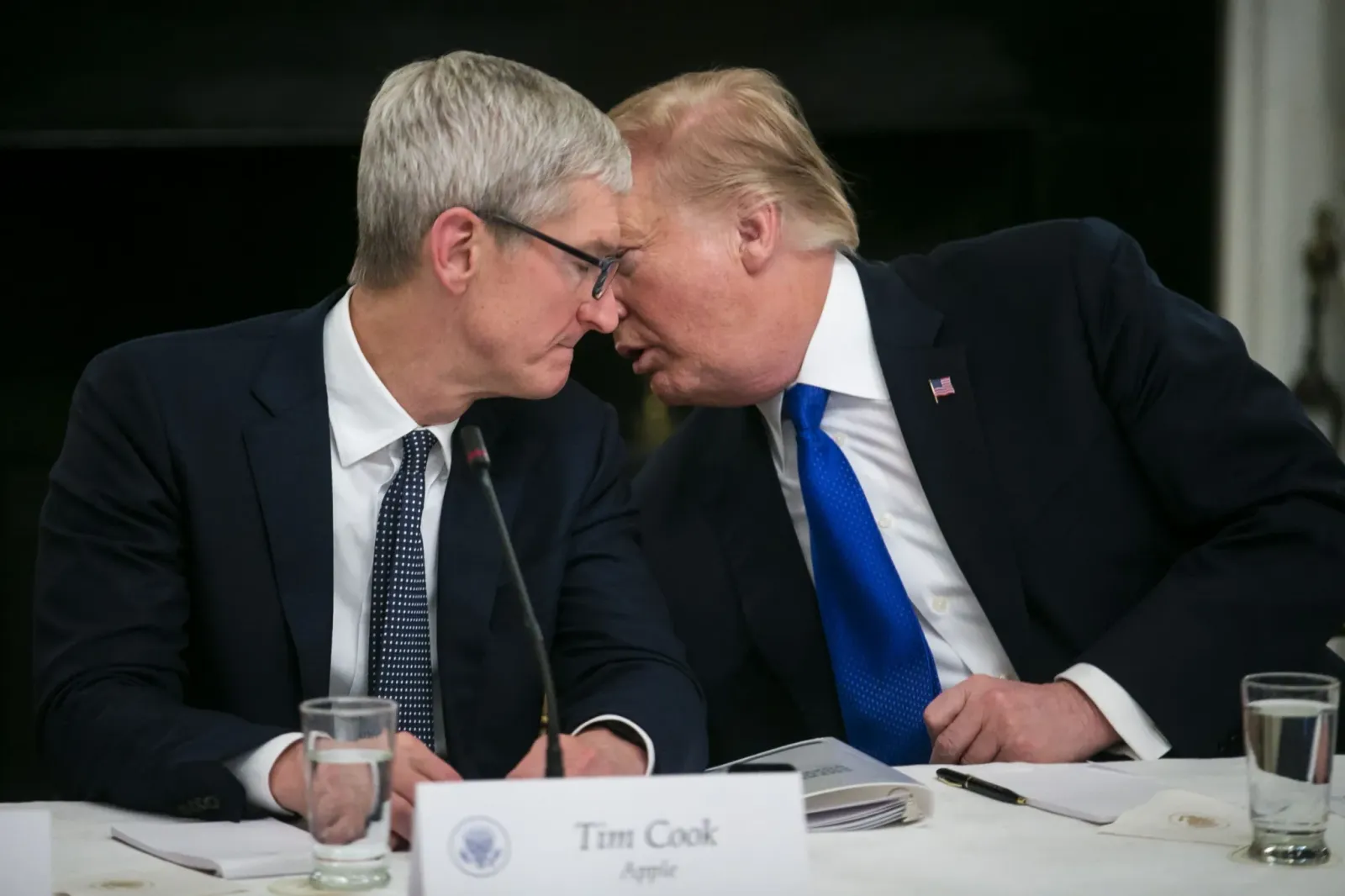
Tim Cook steps down as Apple CEO, stays on as chair with $45M equity
The 'Trump whisperer' keeps his White House and Beijing access as Apple navigates tariffs and a $4.6 trillion market cap.

Snowflake shares surge as AI data demand crushes estimates, lifting full-year forecast
Stocks jumped on stronger-than-expected guidance, signaling enterprise AI workloads are accelerating faster than Wall Street priced in.
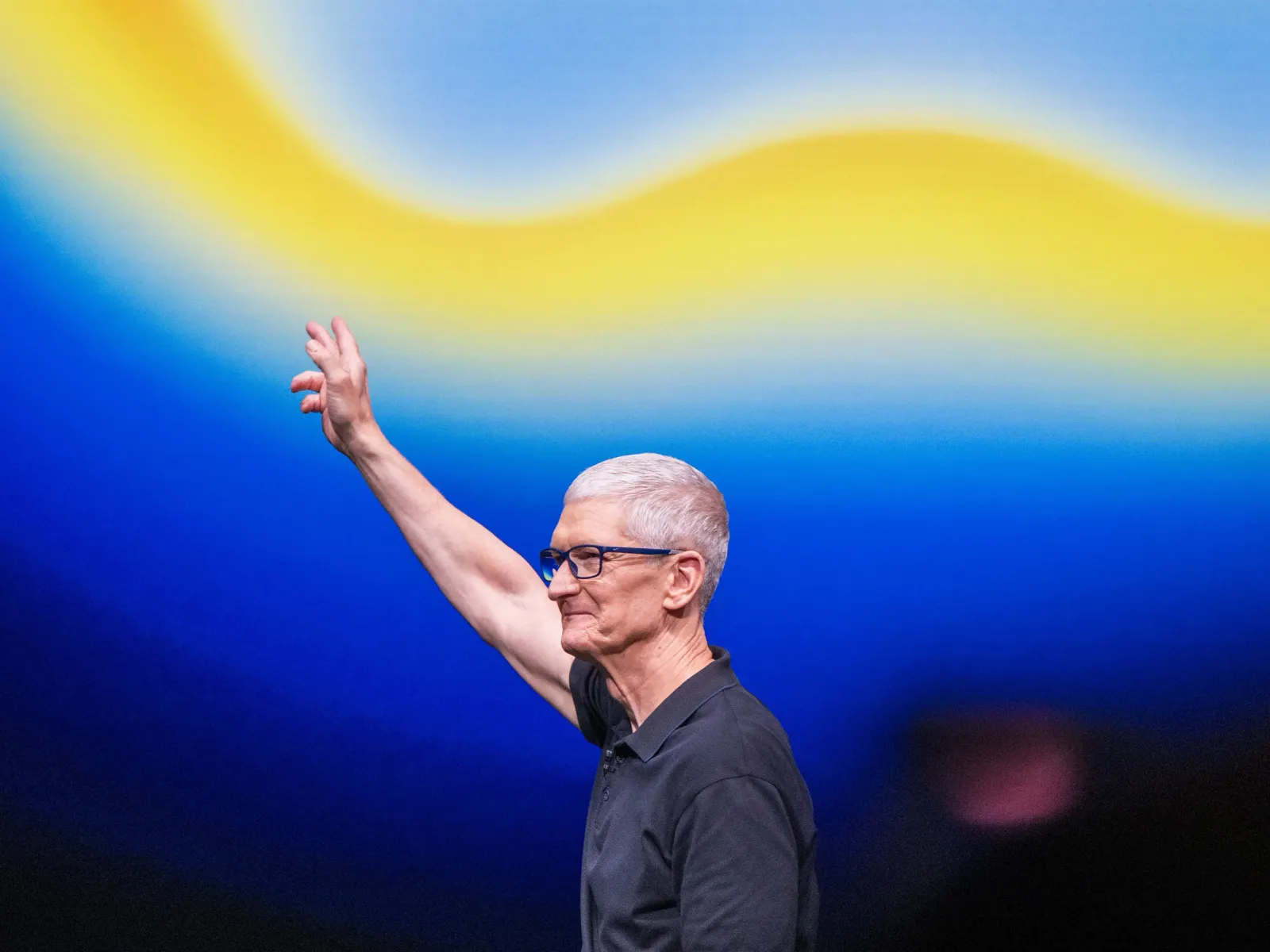
Tim Cook's 15-year Apple CEO run ends: 3 lessons for any successor
After 15 years, Tim Cook hands Apple to John Ternus - here's how he turned a $350B company into a $4.6T juggernaut.