

Warsh Signals Rate Hikes If Inflation Persists: What It Means for Markets
Former Fed governor Kevin Warsh's latest remarks hint at a more hawkish pivot, raising stakes for investors and borrowers.
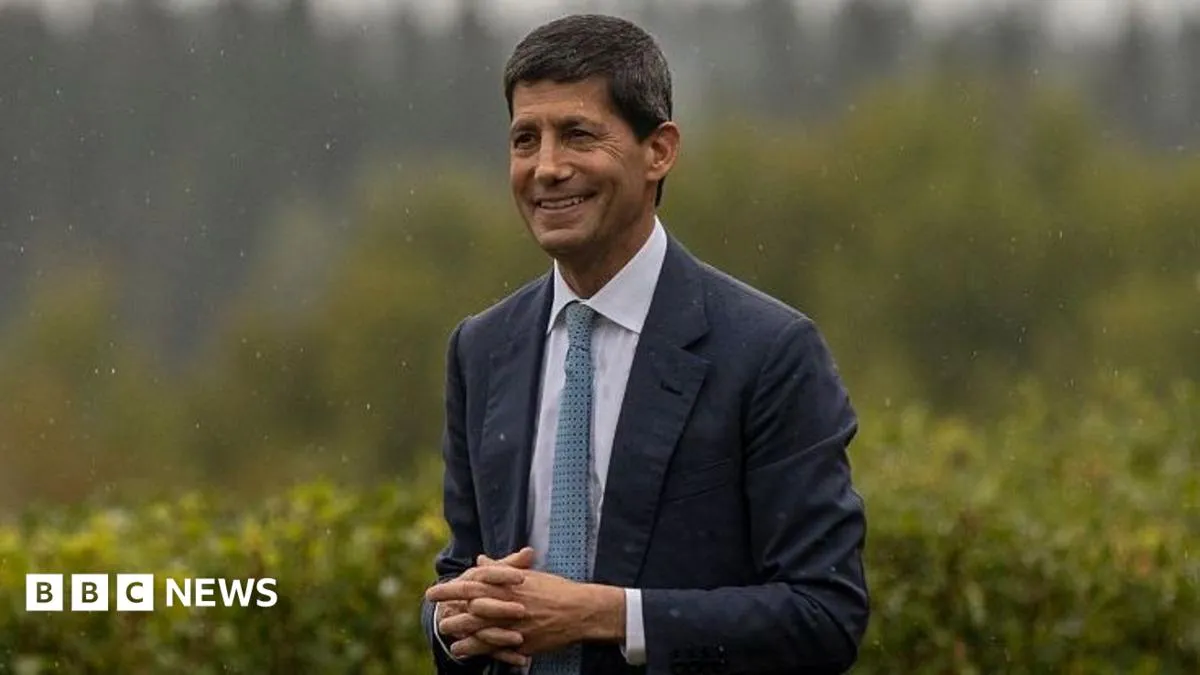
Kevin Warsh, a former Federal Reserve governor, suggested that the central bank could raise interest rates again if inflation remains too high. His remarks signal a potential shift in policy expectations, which could ripple through bond yields, equities, and borrowing costs.
Kevin Warsh, a former Federal Reserve governor with a reputation for hawkish views, just threw a curveball into the rate-cut narrative. In remarks that suggest the central bank isn't done fighting inflation, Warsh indicated that if policymakers judge price pressures to be running too hot, they could respond with another hike. That's a stark contrast to the market's recent assumption that the Fed's next move is lower, not higher.
Warsh's comments come at a delicate moment. Inflation has been stubbornly above the Fed's 2% target for months, and while the pace of price increases has slowed from its peak, the last mile is proving the hardest. The Fed has held rates steady at its last few meetings, but officials have repeatedly stressed that they are data-dependent. Warsh's conditional warning-if inflation stays high, rates go up-puts that dependency into sharp relief.
For markets, the implications are immediate and tangible. Bond yields, which had been drifting lower on hopes of cuts, could reverse course if traders start pricing in a hike. That would lift borrowing costs for mortgages, auto loans, and corporate debt, squeezing households and businesses alike. Equities, particularly growth stocks that trade on future earnings, tend to suffer when rates rise because higher discount rates reduce the present value of those earnings. A renewed hawkish tilt from the Fed could trigger a selloff in risk assets.
The broader context matters too. Warsh isn't just any commentator; he's a former Fed governor who was once considered for the top job. His views carry weight in policy circles and among investors who watch the Fed's every word. When someone with his credentials signals that the inflation fight isn't over, it forces a reassessment of the entire rate path. It also adds fuel to the ongoing debate inside the Fed between those who worry about easing too soon and those who fear overtightening.
For executives and CFOs, the message is clear: don't bank on cheap capital returning anytime soon. If the Fed does hike again, the cost of financing expansions, acquisitions, or even routine working capital will rise. Companies with high debt loads or variable-rate exposure could feel the pinch first. Strategic planning should incorporate a scenario where rates stay higher for longer-or even go up-rather than assuming a smooth descent to lower levels.
Investors, meanwhile, should brace for volatility. The market has been whipsawed by every inflation print and Fed speech over the past year, and Warsh's remarks add another layer of uncertainty. The key variable is the next batch of inflation data. If those numbers come in hot, Warsh's warning could become a self-fulfilling prophecy, pushing the Fed toward action. If they cool, the hawkish talk may fade. But the risk is asymmetric: the downside of a surprise hike is larger than the upside of a delayed cut.
What makes this particularly tricky is the Fed's dual mandate. The central bank is supposed to balance price stability with maximum employment. So far, the labor market has remained resilient, giving the Fed room to focus on inflation. But if rate hikes start to bite and unemployment rises, the Fed will face a painful trade-off. Warsh's remarks suggest he prioritizes the inflation side of that equation, a stance that could gain traction if price pressures persist.
For now, the takeaway is straightforward: the era of easy money is not guaranteed to return. Warsh's conditional warning is a reminder that the Fed's tools are still pointed upward, not downward. Executives should stress-test their budgets against higher rates, and investors should hedge against the possibility of a hike. The next few months will be pivotal, and every inflation report will be scrutinized for clues. If the data disappoints, Warsh's words may prove prophetic-and the market's complacency could be its undoing.
This story's Key Insights and Take-aways are locked.
Create a free account to unlock Executive Actions for one credit.
Register to UnlockAlways free for Executives Club members. Join the Club
More in Business
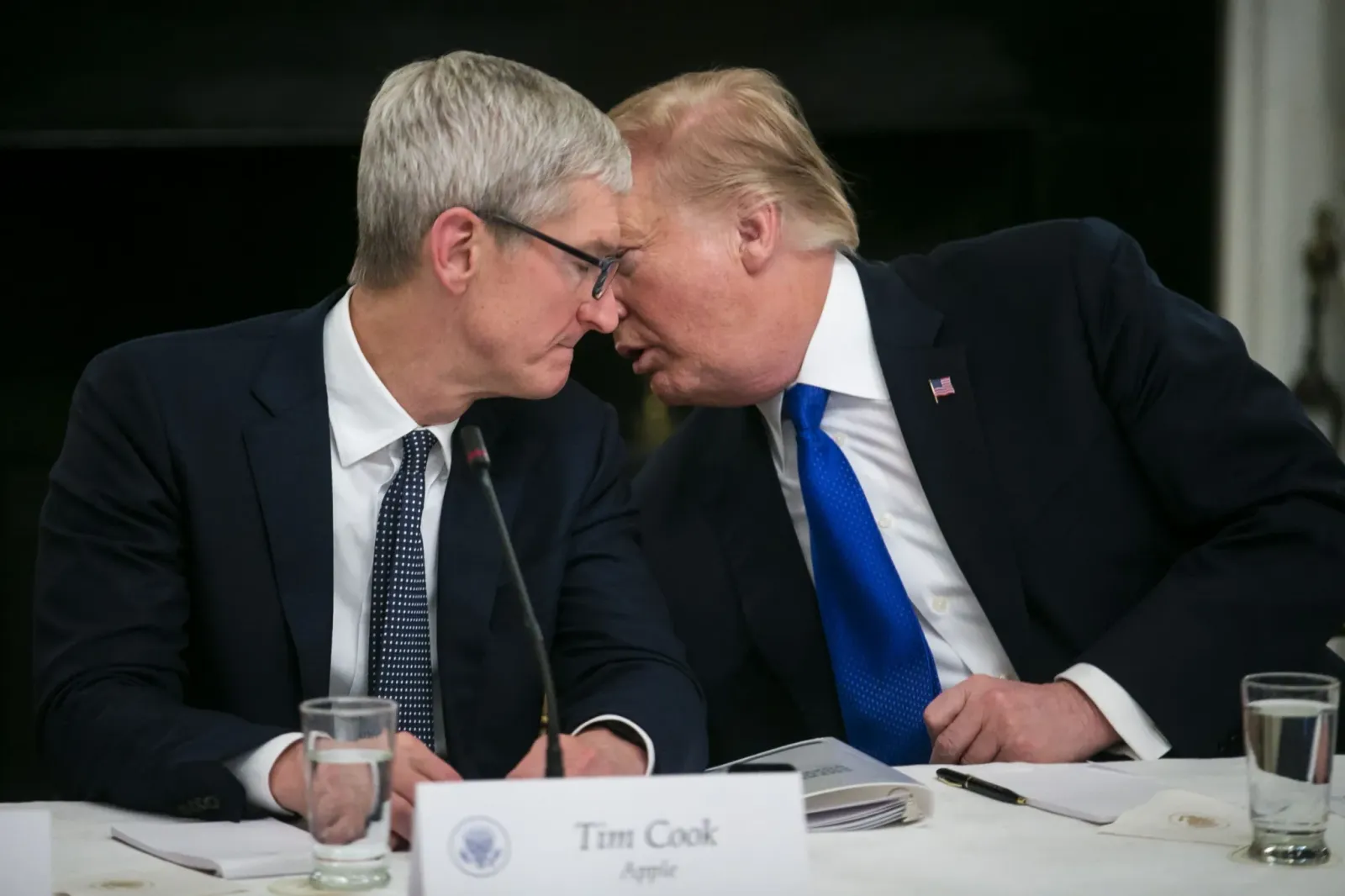
Tim Cook steps down as Apple CEO, stays on as chair with $45M equity
The 'Trump whisperer' keeps his White House and Beijing access as Apple navigates tariffs and a $4.6 trillion market cap.
Snowflake shares surge as AI data demand crushes estimates, lifting full-year forecast
Stocks jumped on stronger-than-expected guidance, signaling enterprise AI workloads are accelerating faster than Wall Street priced in.
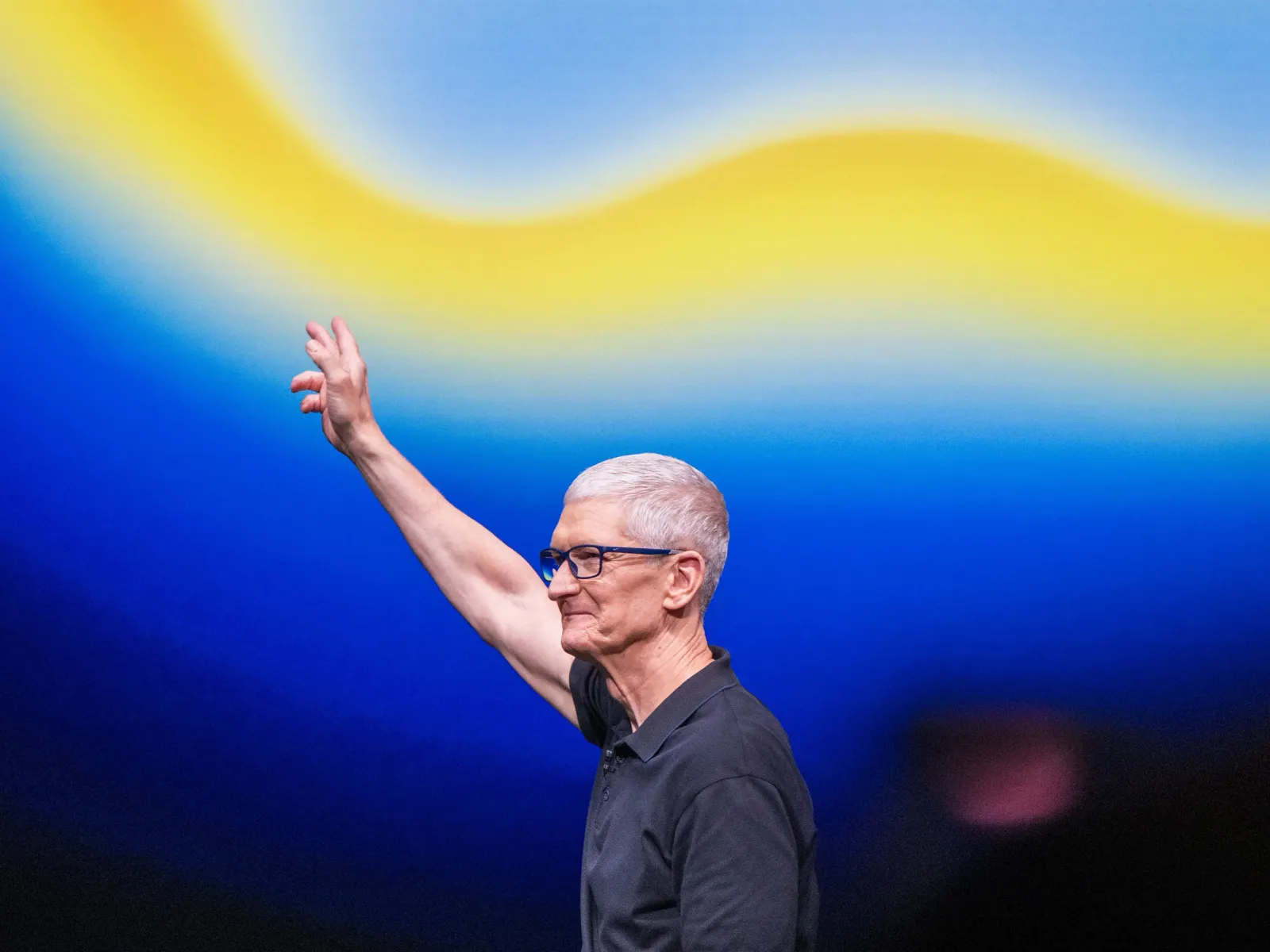
Tim Cook's 15-year Apple CEO run ends: 3 lessons for any successor
After 15 years, Tim Cook hands Apple to John Ternus - here's how he turned a $350B company into a $4.6T juggernaut.