

WHO warns Ebola is outpacing response, forcing a faster global containment scramble
The outbreak’s speed is beating preparedness, and decision-makers need to understand what that breaks in the system.
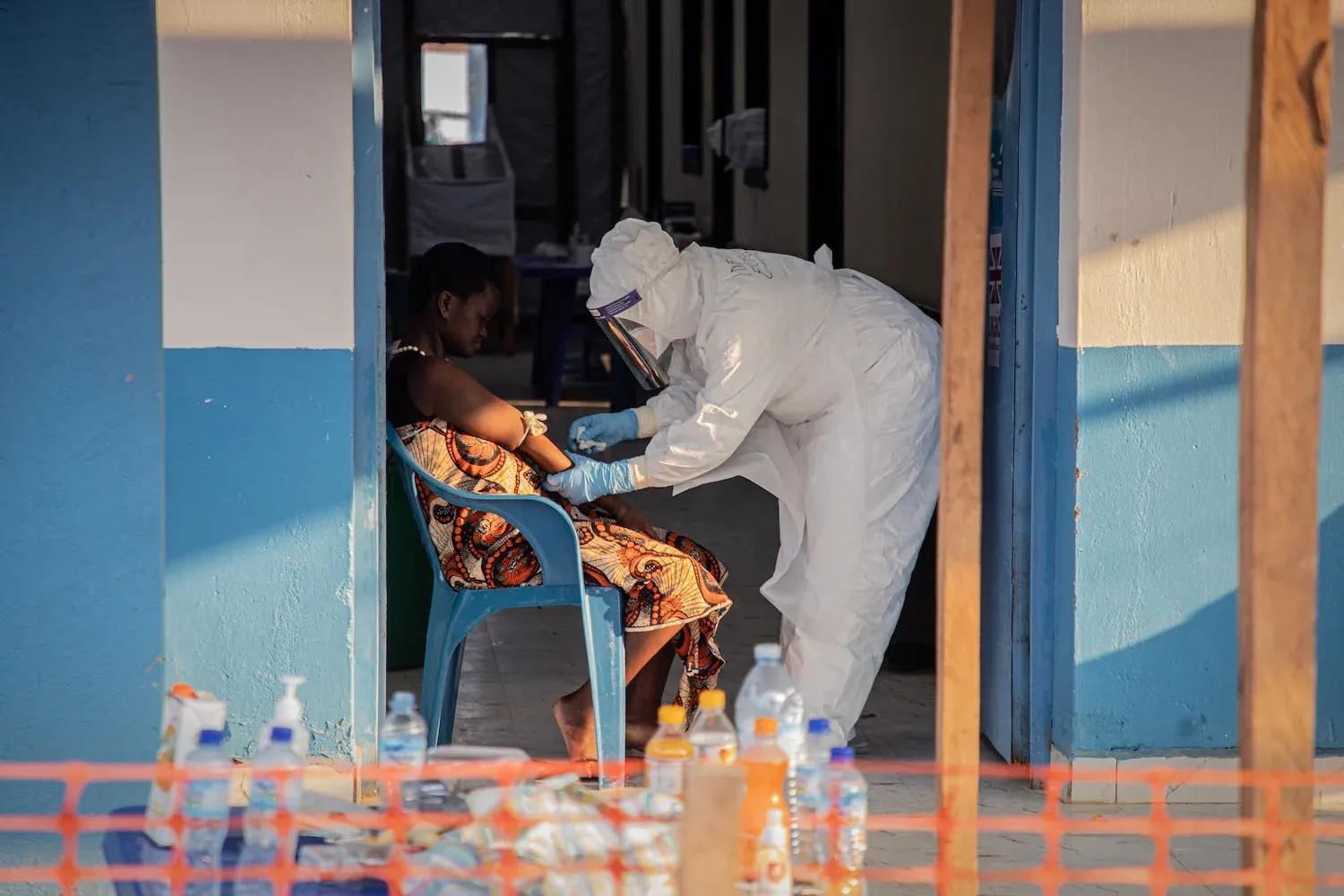
The Foreign Policy report says the WHO warned that the Ebola epidemic is “outpacing” response efforts. For leaders, the consequence is a containment race where delays cascade into healthcare capacity strain and tougher coordination.
The WHO’s warning is blunt: the Ebola epidemic is “outpacing” response efforts. In other words, the situation is not just bad. It is accelerating faster than the machinery built to stop it.
That matters because response is rarely a single lever you pull. It is a chain: detection, reporting, logistics, clinical care, safe burials, lab capacity, community engagement, and protective equipment. When the WHO says the epidemic is outpacing response, it signals that one or more links in that chain are failing to scale at the same speed as transmission. The clock is the point here. The epidemic is winning time that responders do not get back.
For executives and boards, “outpacing” is a governance word. It implies that planning assumptions are being invalidated in real time. Many organizations, especially those operating in public health adjacent sectors or with health programs in fragile settings, rely on the idea that mobilization can catch up once funding, staffing, or procurement is cleared. But when the WHO frames the problem as response lagging behind spread, it suggests that administrative timelines and operational bottlenecks are now part of the threat model.
This is also a coordination story, not just a capacity story. Ebola containment requires multiple actors to move together, often across borders and institutions with different mandates and funding streams. If outbreak growth outstrips response efforts, coordination friction becomes lethal. Information might reach the wrong place on the wrong timetable. Supplies might arrive without the local system needed to deploy them effectively. Teams might be available in one location while another region is running short on basics like protective gear or isolation space.
Regulatory background may not show up on a dashboard until it breaks. In outbreak settings, approvals for movement, procurement, laboratory workflows, and clinical protocols can determine whether response scales quickly or stalls. “Outpacing” can be an early indicator that these regulatory and operational processes are not synchronized with the speed of events on the ground. That is the kind of systems failure that turns a controllable outbreak into an escalating one.
Now add the market and operational second-order effects that come when a public health emergency accelerates. When response is behind, the private sector often feels it indirectly through disrupted supply chains for medical goods, increased demand for certain regulated items, and staffing churn as workers rotate out or burn out. Even organizations that do not treat patients can be dragged into the surge via procurement and logistics. Boards looking at risk management should note that epidemic speed changes procurement risk from “slow ramp” to “short-notice scramble,” which tends to stress controls and increase the chance of misallocation.
The strategic implication for decision-makers in other industries is simple: if the WHO says the epidemic is moving faster than response, then coordination and execution are in the spotlight. That is where reputations form, where partner ecosystems either click or fracture, and where leadership decisions about resource prioritization become immediately visible. The containment race is not theoretical. It is a test of whether systems can scale with reality, not with optimistic schedules.
This story's Key Insights and Take-aways are locked.
Create a free account to unlock Executive Actions for one credit.
Register to UnlockAlways free for Executives Club members. Join the Club
More in Politics
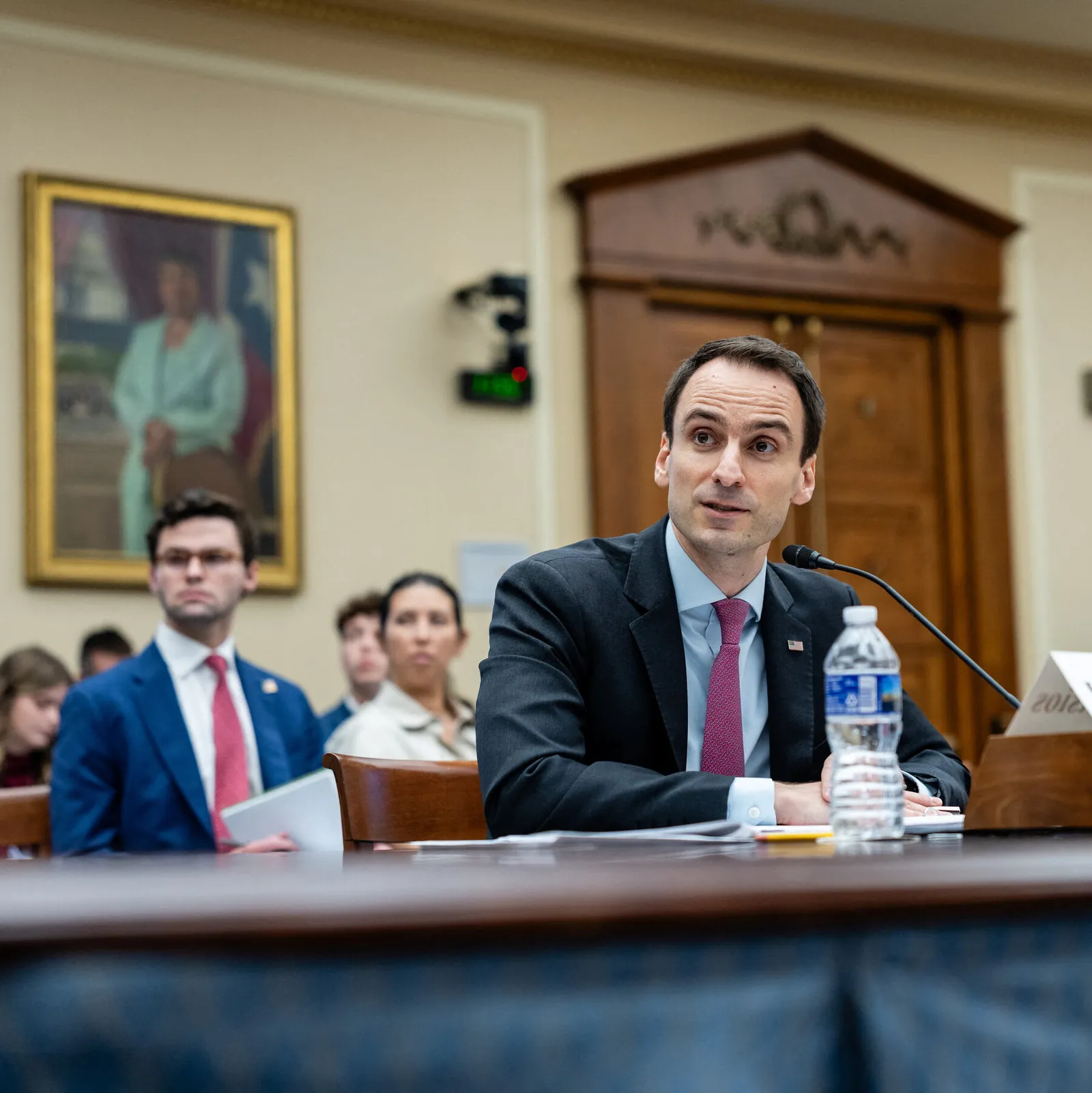
Michael Kratsios seeks AI funding boost, university cuts in Trump research overhaul
The science adviser pitches a funding rewrite as Democrats argue Trump weakened U.S. science for good.
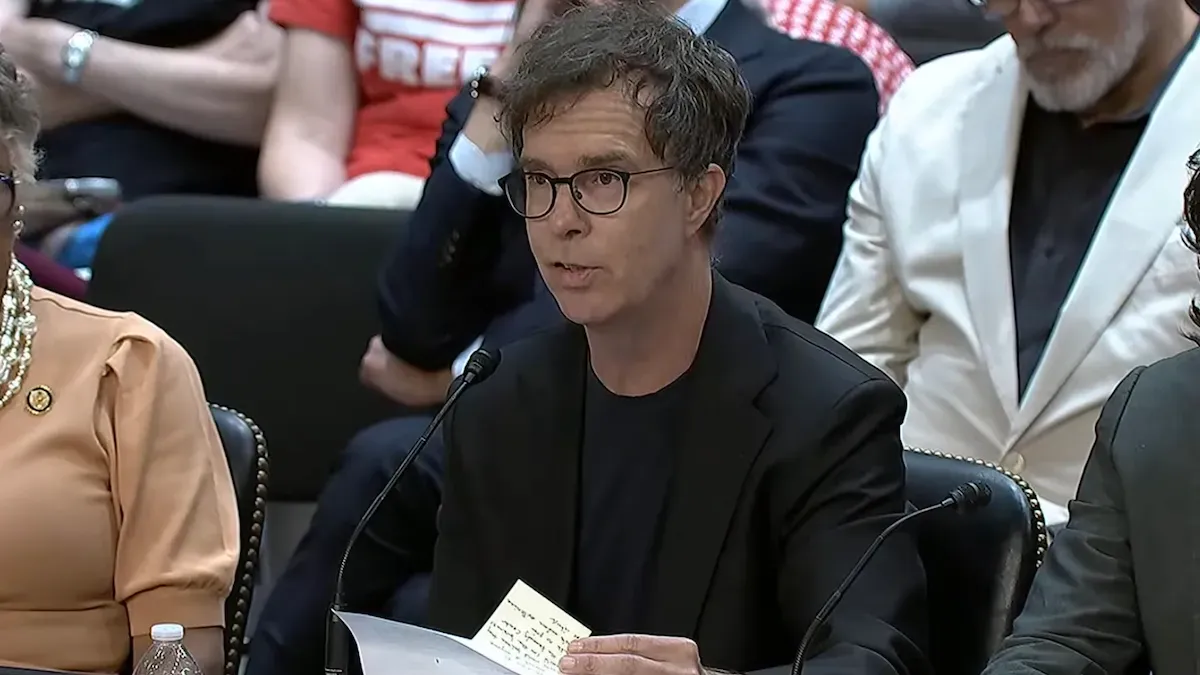
Ben Folds tells Congress Trump politicized the Kennedy Center, making it “propaganda”
The former artistic advisor says the federal arts institution was turned into a “hyper-politicized environment.” Here’s what that changes.

Trump officials admit the No Surprises Act is being gamed, after huge payments
The administration says doctors are exploiting the law, forcing regulators to confront a fix they cannot ignore.