
World Cup Golden Boot race turns into a striker shootout as the favorites surge
A goals race is rewriting the spotlight, and decision-makers should care because it fuels talent, value, and brand momentum.
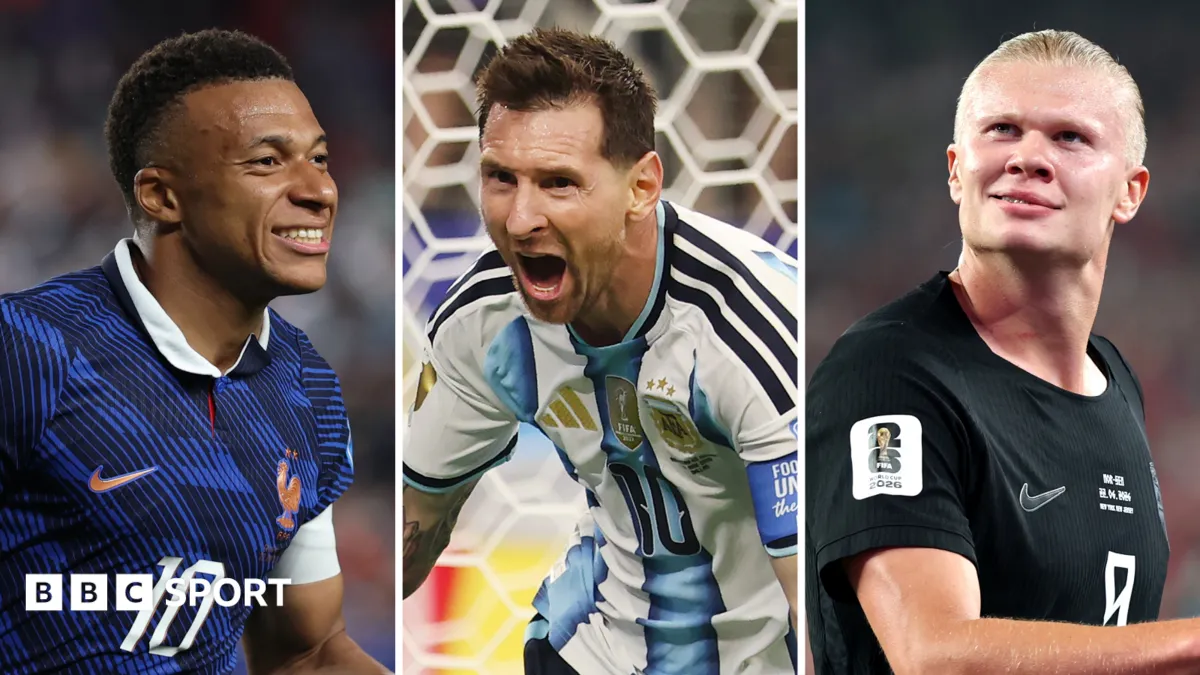
The BBC Sport reports that the World Cup is rapidly becoming a Golden Boot race for the ages as the world’s best strikers star. For decision-makers, the implication is clear: scoring power at the tournament can shift market value, sponsorship interest, and club planning decisions.
It is fast turning into a Golden Boot race for the ages at the World Cup, and the “who comes out on top” question is not just trivia anymore. When the world’s best strikers start delivering goals, the tournament turns into a live audition with real downstream consequences. The BBC Sport framing is simple: the best attackers are starring, and the Golden Boot battle is taking shape as the defining scoreboard for finishing talent.
Why this matters right now is that a Golden Boot is not only a trophy. It is a signal market participants pay attention to, because goals are one of the clearest, most liquid performance metrics in football. That makes the question “who will come out on top?” something clubs, brands, and investors end up tracking like an earnings report from the pitch. The BBC Sport piece highlights that this race is accelerating as the World Cup progresses, which is exactly when narratives start to harden into reputations. In other words, the tournament is doing what tournaments do: it compresses time. It forces everyone watching to update their mental model quickly.
To understand the incentives around this kind of race, start with how football talent is valued. Clubs and academies want players who convert chances into goals consistently. In a World Cup setting, those outputs become visible to a much larger audience, including decision-makers who may not follow every league week-by-week. That visibility can influence transfer market expectations and contract negotiations, even though the Golden Boot itself is awarded for a specific tournament. The key point is that tournament scoring often becomes a shorthand for finishing ability, even if analysts would normally caution against drawing too many conclusions from a short sample.
There is also a commercial layer. Sponsors and broadcasters chase attention, and strikers who look decisive create storylines that travel across markets. A Golden Boot race gives football content teams an easy engine: matchups, statistics, and daily updates that keep fans clicking and sharing. When the “best strikers” are starring, the sport’s attention economy re-routes toward them, which can boost the visibility of their teams and national programs. The BBC Sport headline is effectively saying the tournament has reached that stage where elite attackers are no longer just participating, they are driving the show.
If you sit in the boardroom, the second-order implication is planning. Clubs often make recruitment decisions in cycles, but a live tournament can force mid-cycle reassessments. A striker on track for the Golden Boot can become more expensive, more demanded, and harder to buy even before any official transfer window opens. Boards then have to weigh opportunity cost: do you pay up for a proven tournament scorer, or do you stick to a longer-term development plan for less spotlighted targets? This is where the Golden Boot race becomes a governance issue, not just a football story.
There is also the regulatory backdrop that always sits behind these market ripples. Football transfer rules, squad registration limits, and eligibility requirements are shaped by governing bodies and differ by competition and league. A World Cup performance does not bypass those constraints, but it changes the negotiating position. When a player’s perceived value spikes because of tournament output, clubs negotiate against a moving target. Even if the exact rules vary, the general reality for decision-makers is that talent valuation affects budgets, wage structures, and how teams manage risk. That is why this kind of race can lead to scramble behavior among clubs chasing the “now” advantage.
Ultimately, the BBC Sport message is that the Golden Boot race is evolving into something bigger than a single statistic. It is turning into a striker-centered tournament narrative, powered by the world’s best forwards. The “who will come out on top” question is the headline bait, but the real story is how goal scoring under pressure reshapes expectations in real time. And if you are a club executive, investor, or commercial leader, that is the strategic stake: the tournament is not just deciding an award. It is influencing the next round of talent decisions, brand attention, and financial planning across the football ecosystem.
This story's Key Insights and Take-aways are locked.
Create a free account to unlock Executive Actions for one credit.
Register to UnlockAlways free for Executives Club members. Join the Club
More in Entertainment

Star Wars: Galactic Racer bets on post-war hot rod racing, not nostalgia
Fuse Games and Lucasfilm Games chase a New Republic track story using real-world racing history after WWII.

Star Wars: Galactic Racer quietly turns its campaign into a Slay-the-Spire roguelite
A hands-on look at Fuse Games shows why Burnout-style podracing makes a surprising single-player structure work.

UTA inks Coactive AI deal for creator and brand insights, betting on new AI storytelling
The agency’s new digital insights tool is built on AI-generated guidance for creators and the brands they represent.