
Xbox CEO: Project Helix is a family of devices, not one console
Asha Sharma confirms Microsoft's next-gen push spans multiple devices, signaling a strategic shift beyond the traditional single-box upgrade cycle.
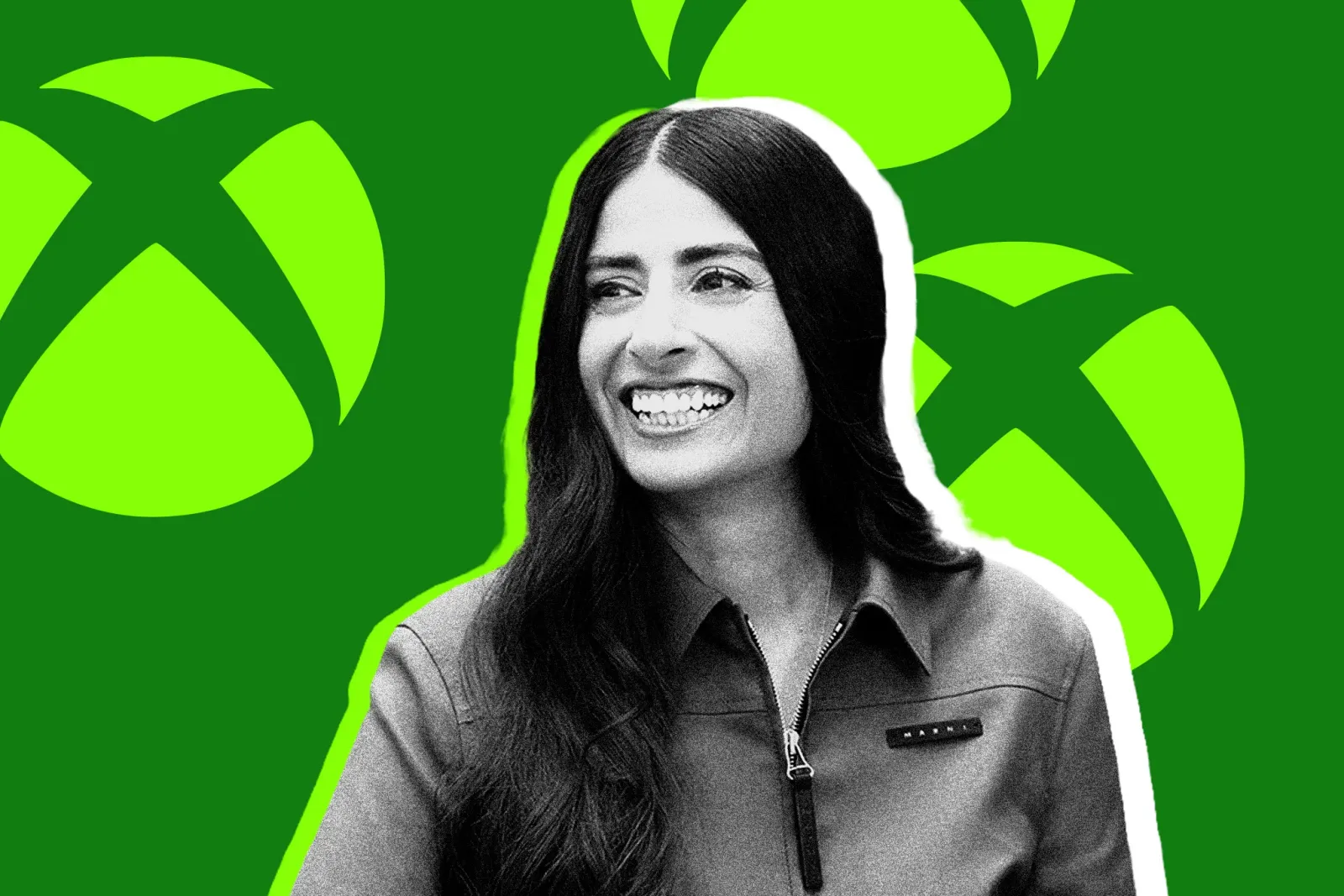
Xbox CEO Asha Sharma revealed that Project Helix, previously described as Microsoft's 'next generation console,' will actually encompass a family of devices, not a single machine. For gamers and industry watchers, this signals a broader hardware strategy that could reshape how Microsoft competes with Sony and Nintendo across form factors and price points.
Xbox CEO Asha Sharma has dropped a quiet bomb on the gaming world: Project Helix, the codename for Microsoft's next-generation push, is not one console but a family of devices. In an interview with BBC News, Sharma said, "We've been hard at work on a great next generation and a great family of devices for Helix, and we'll share more soon." The phrasing marks a deliberate departure from the March announcement, which referred to a singular "next generation console." When pressed on whether Helix would include a discless option, Sharma declined to answer directly, but the broader implication is clear: Microsoft is no longer thinking in terms of a single box every seven years. Instead, the company appears to be building a portfolio of hardware that could span performance tiers, form factors, and price points, much like its current Xbox Series X and Series S strategy, but with more ambition and flexibility.
The timing is no accident. This week, Microsoft also announced a program to digitize physical games, allowing players to convert their disc-based libraries into digital licenses. That move dovetails with a hardware family that may include a discless model as a lower-cost entry point, while still catering to collectors and physical-media loyalists with a higher-end unit. The two announcements together paint a picture of a company that is aggressively pushing toward an all-digital future, but doing so with a ladder of options rather than a single leap. For a generation of gamers who have watched physical media slowly fade, this is a signal that Microsoft wants to control the transition on its own terms, not be dragged into it by market pressure.
Under the hood, Microsoft's partnership with AMD, announced in 2025 as a "strategic multi-year partnership," is expected to power this new family. AMD has long been the silicon supplier for Xbox consoles, and the extended deal suggests that the Helix devices will share a common architecture, making it easier for developers to target multiple SKUs with a single codebase. That is a critical advantage in an era where development costs are skyrocketing and studios are increasingly reluctant to optimize for fragmented hardware. A unified family with scalable performance could let Microsoft offer a handheld, a mid-range console, and a premium powerhouse, all running the same games, while giving developers a predictable target.
The strategic logic here is compelling. Sony has dominated the premium console segment with the PlayStation 5, and Nintendo has carved out its own niche with the hybrid Switch. Microsoft, meanwhile, has struggled to move the needle on hardware sales, even as its Game Pass subscription service has grown. A family of devices allows Microsoft to attack multiple segments simultaneously: a budget discless box to lure price-sensitive buyers, a premium model for enthusiasts, and potentially a portable device to compete with the Switch and the Steam Deck. This is a classic platform play, one that leverages Microsoft's cloud infrastructure and subscription ecosystem to make the hardware itself less important than the network of services around it.
But there are risks. A fragmented hardware lineup can confuse consumers, as Microsoft learned with the Xbox One's original always-online messaging and the mixed reception to the Series S's lower performance. If the Helix family is not positioned clearly, it could dilute the brand and create the same perception problems that plagued Windows Phone or Zune. Moreover, the shift to digital-only is still contentious in many markets, particularly where internet connectivity is unreliable or where physical games are a significant part of the retail economy. Microsoft's digitization program is a step toward easing that transition, but it will need to be executed carefully to avoid alienating core fans.
For executives and investors, the takeaway is that Microsoft is doubling down on a services-led hardware strategy, one that treats the console as a gateway to Game Pass, cloud streaming, and a broader ecosystem of devices. The company has already shown it can lose money on hardware to win subscribers, and a family of devices gives it more levers to pull. The question is whether Sony and Nintendo will respond with their own multi-device strategies, or whether they will continue to bet on the traditional single-console model. If Microsoft's bet pays off, the next console generation could look very different from the last one, with a spectrum of devices rather than a single winner.
Sharma's comments also hint at a longer-term vision. By calling Helix a "family," she is signaling that Microsoft is thinking beyond the typical console lifecycle, perhaps toward a future where hardware refreshes happen more frequently and incrementally, much like smartphones. That would be a fundamental shift for an industry that has historically operated on five-to-seven-year cycles. It would also put pressure on developers to keep up with a faster cadence of hardware iterations, and on retailers to rethink how they stock and market devices. For now, the details are scarce, but the direction is unmistakable: Microsoft is preparing to redefine what a console generation means, and it is starting with a family of devices that could change the game for everyone.
This story's Key Insights and Take-aways are locked.
Create a free account to unlock Executive Actions for one credit.
Register to UnlockAlways free for Executives Club members. Join the Club
More in Business
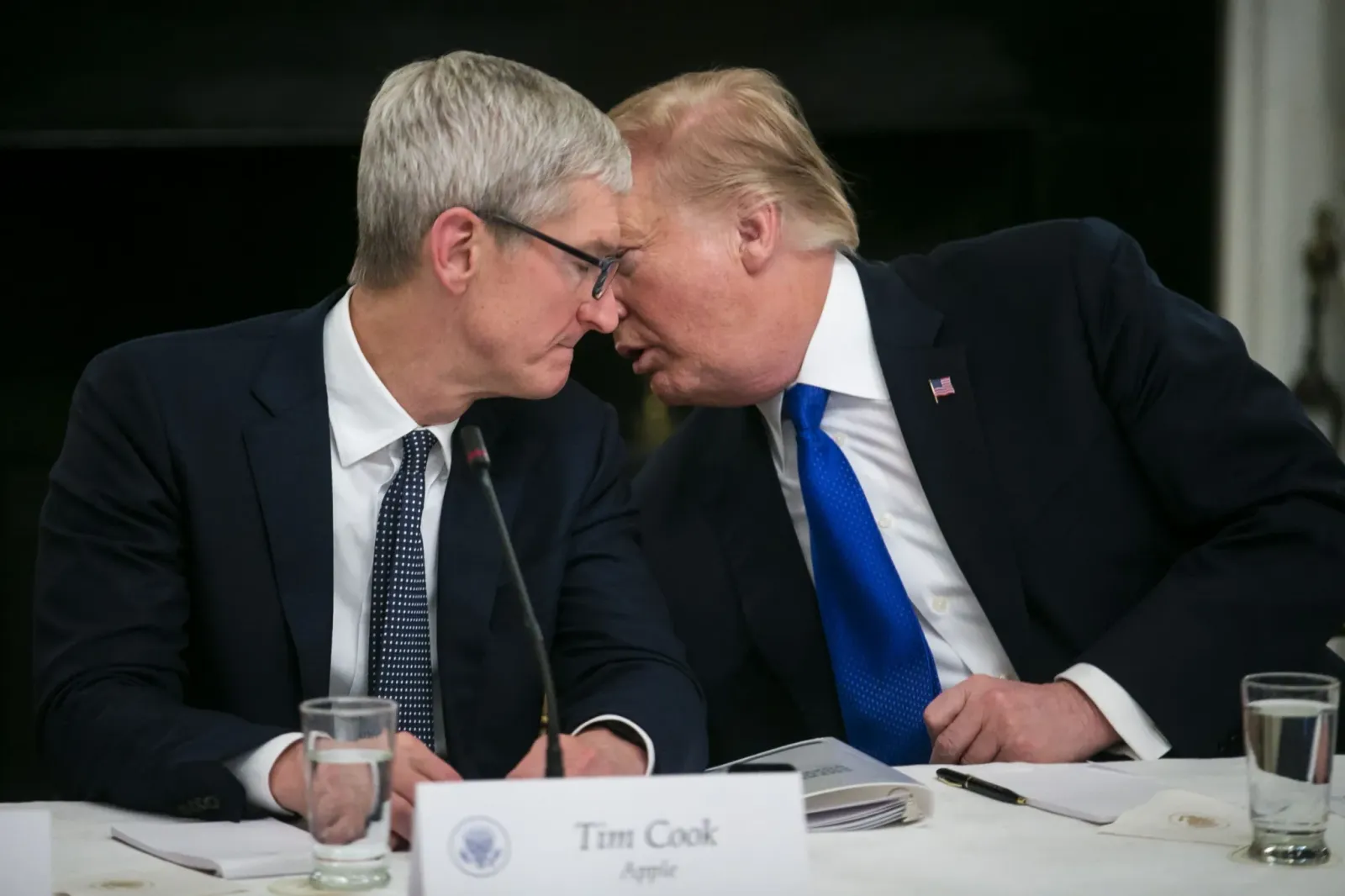
Tim Cook steps down as Apple CEO, stays on as chair with $45M equity
The 'Trump whisperer' keeps his White House and Beijing access as Apple navigates tariffs and a $4.6 trillion market cap.
Snowflake shares surge as AI data demand crushes estimates, lifting full-year forecast
Stocks jumped on stronger-than-expected guidance, signaling enterprise AI workloads are accelerating faster than Wall Street priced in.
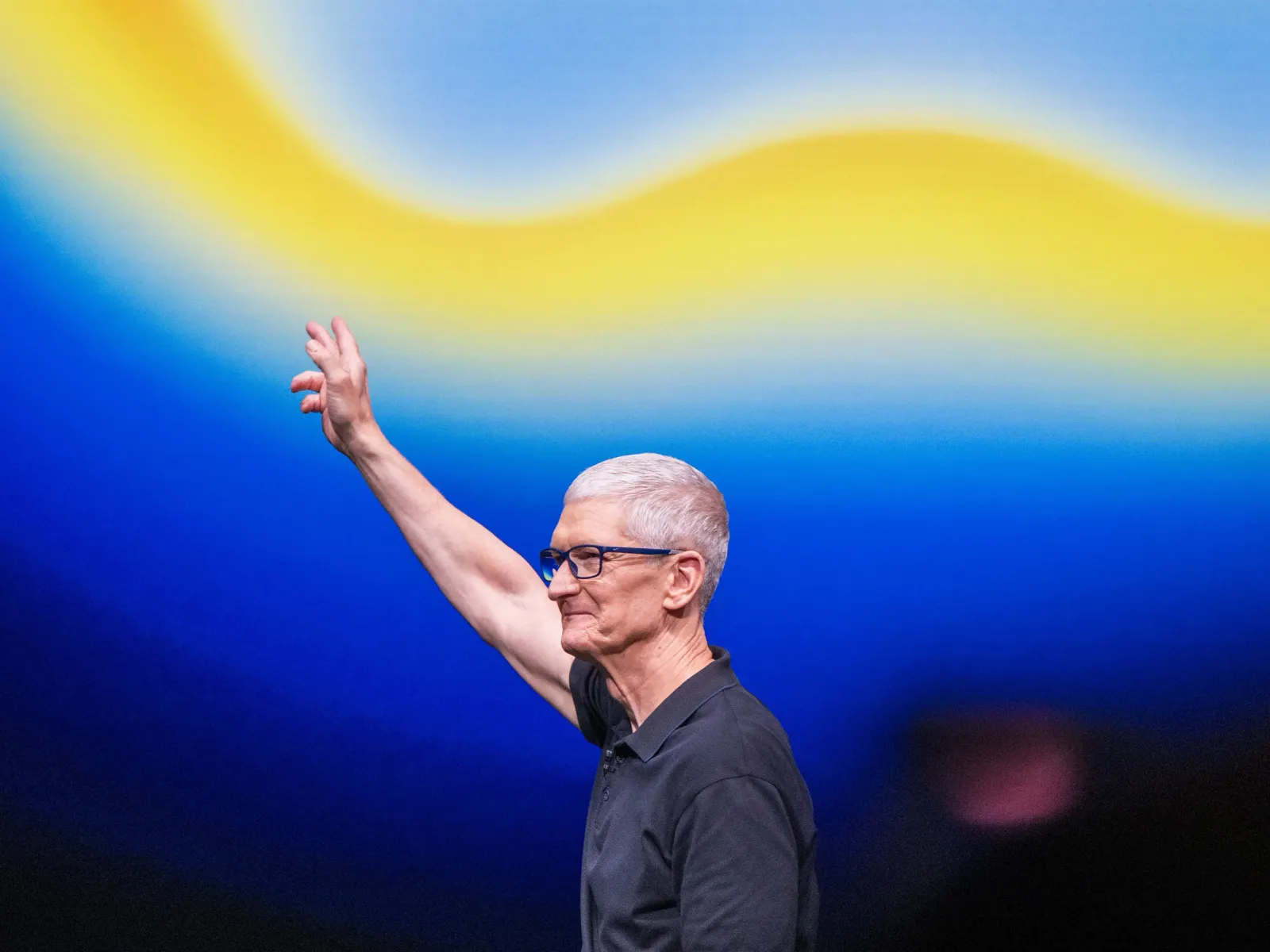
Tim Cook's 15-year Apple CEO run ends: 3 lessons for any successor
After 15 years, Tim Cook hands Apple to John Ternus - here's how he turned a $350B company into a $4.6T juggernaut.