
Xbox closes Ninja Theory, raising stakes in Microsoft’s rumored studio spin-off talks
A call told staff Monday. Now Xbox exec warnings about a “reset” land harder as Ninja Theory looks for a buyer.
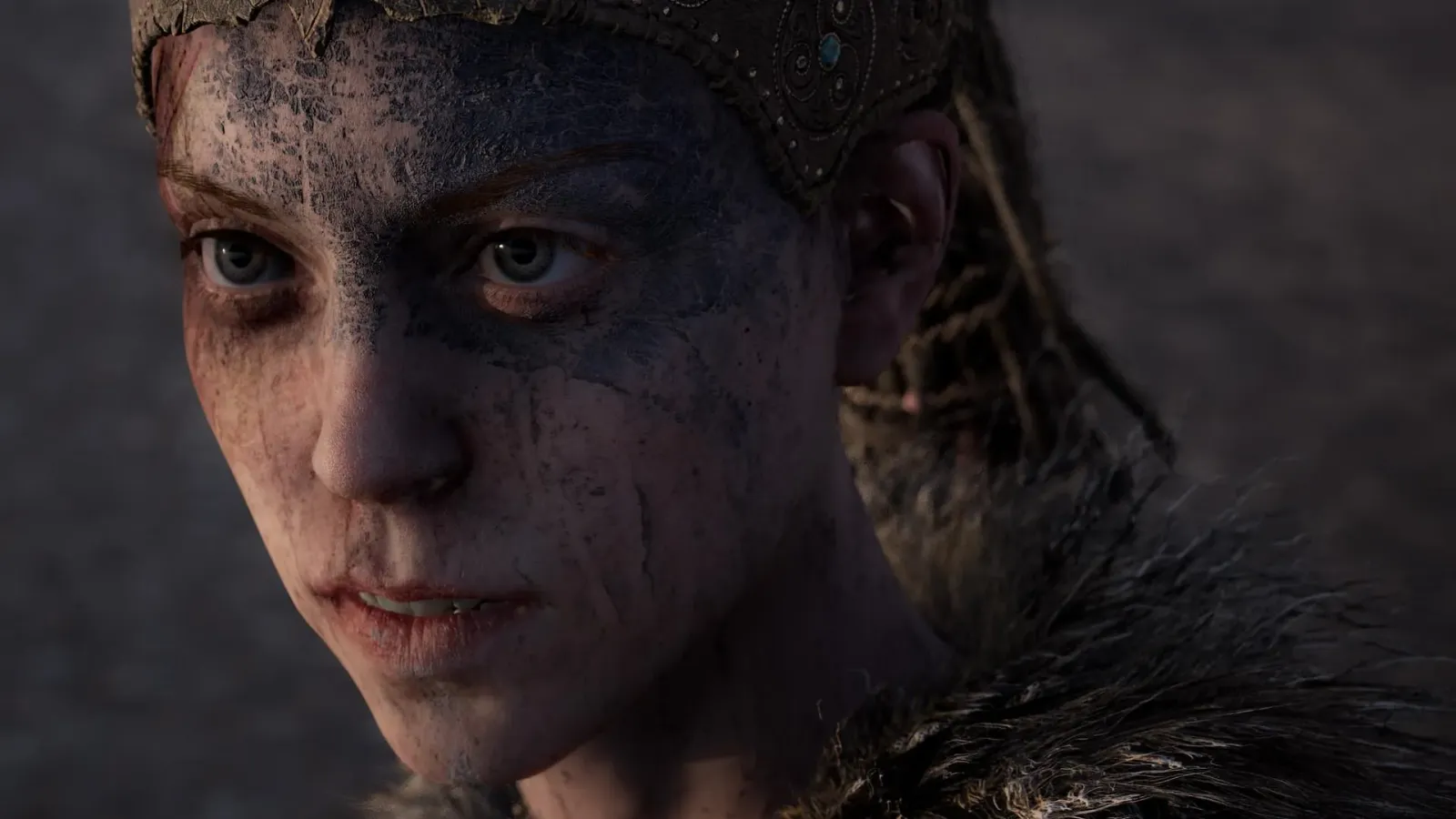
Microsoft’s Xbox is closing Ninja Theory, the studio behind the Hellblade series, The Verge reports via a source. The move follows reports that several Xbox studios, including Compulsion Games and Double Fine, are in “active negotiations” about spinning off.
Xbox is closing Ninja Theory, the Hellblade studio, and staff were told on a call on Monday, according to a source speaking to The Verge. The people inside the studio are reportedly hoping they can find a buyer, but the outcome is still the same: the studio as it exists is being shut down.
This is not just a one-off headline about a game studio. It arrives alongside a broader shift at Xbox that the company itself has already signaled. Last week, Xbox CEO Asha Sharma and chief content officer Matt Booty warned of a “reset” at Xbox, including that Xbox had “over extended” with its studio system and faced multiple business challenges. That language matters because it reframes what a closure like this means: not a creative decision, but a portfolio and capital discipline decision.
What makes this especially disruptive is the timing. The closure comes as Microsoft is said to be testing another path for parts of the Xbox footprint. Bloomberg reports that “several” Xbox studios at Microsoft, including Compulsion Games and Double Fine, are in “active negotiations” about spinning off. Put simply: Microsoft may be shrinking by closing some studios while trying to carve out others. Ninja Theory is the most immediate, visible casualty in that broader rebalancing.
For decision-makers, the subtext is about leverage. Studio systems are expensive in ways that are easy to underestimate from the outside. They require long development cycles, carry fixed costs, and absorb risk when launches slip or markets shift. When execs publicly describe being “over extended” with studios, they are acknowledging that the firm’s cost structure and risk tolerance were not aligned with the reality of how game development finances play out.
There is also a second-order effect on how studios plan their own futures. When staff are told a studio will close but can hope for a buyer, that creates an operating limbo even as the clock starts running. A studio trying to attract buyers has to keep its value proposition legible: IP strength, talent retention, and production capabilities. In practice, that means the ability to stabilize teams and demonstrate continuity becomes its own deliverable, even though the studio is technically being wound down.
Meanwhile, the rumored spin-off negotiations at other Xbox studios suggest Microsoft is searching for a structural answer, not only a staffing answer. Spin-offs typically shift risk allocation. Instead of one parent absorbing all the downside of development timelines and execution, the spun entity might gain flexibility and potentially a different capital model. For executives overseeing strategy, it also changes governance and incentives. Boards, investors, and management teams in a spin-off structure may be judged more on throughput and financial discipline than on the broader corporate ecosystem.
This is where the “reset” framing from Asha Sharma and Matt Booty connects to the studio news. A reset implies a deliberate change in how Xbox thinks about growth. It is not just about shipping fewer games. It is about changing the economics of the studio system, deciding which studios remain inside the core, which are restructured, and which are closed. Ninja Theory’s closure therefore reads like a deployment of that reset, applied to a studio with a recognizable brand but a business model that no longer fits the current constraints.
For peers in similar roles, the strategic stake is straightforward but uncomfortable: the industry is full of studio leaders who built their operating assumptions around stability. If a major platform holder is closing a known entity while simultaneously discussing spin-offs for other studios, it signals that platform strategy is becoming more fluid and capital more selective. Boards and executives at game publishers and platform-linked studios will want to model more scenarios, including buyer-driven outcomes and portfolio reshaping, not just long-term development promises.
In short, Ninja Theory is being shut down, staff were notified Monday, and the company is openly pointing to a studio-system reset at Xbox. Add the reports of “active negotiations” for Compulsion Games and Double Fine, and you get a clearer picture: Xbox may be moving from a centralized studio empire to something more fragmented, where studios either prove they can survive outside the old system or they do not. For anyone allocating budgets, managing talent, or planning product pipelines, that is the real story.
This story's Key Insights and Take-aways are locked.
Create a free account to unlock Executive Actions for one credit.
Register to UnlockAlways free for Executives Club members. Join the Club
More in Entertainment

Commodore’s Christian Simpson restarts the retro PC brand, then launches flip phones
After reviving the Commodore 64 with modern tweaks, Commodore is taking the retro look into flip-phone territory.

Asia Argento wins Locarno’s Life Achievement Award, praised by Giona A. Nazzaro
The Locarno festival honors Asia Argento with a Life Achievement Award, spotlighting her film career risks and reinvention.

Blair Partnership wins exclusive global role to revive The Wombles franchise
A consolidated IP setup and a new exclusive representative point to fresh movies, TV series, and broader expansion plans.