
Xiaomi's new foldable packs home-grown chip to take on Apple, Huawei
With a proprietary processor and domestic memory, Xiaomi is escalating its high-end hardware war - and its EV push just got sharper.
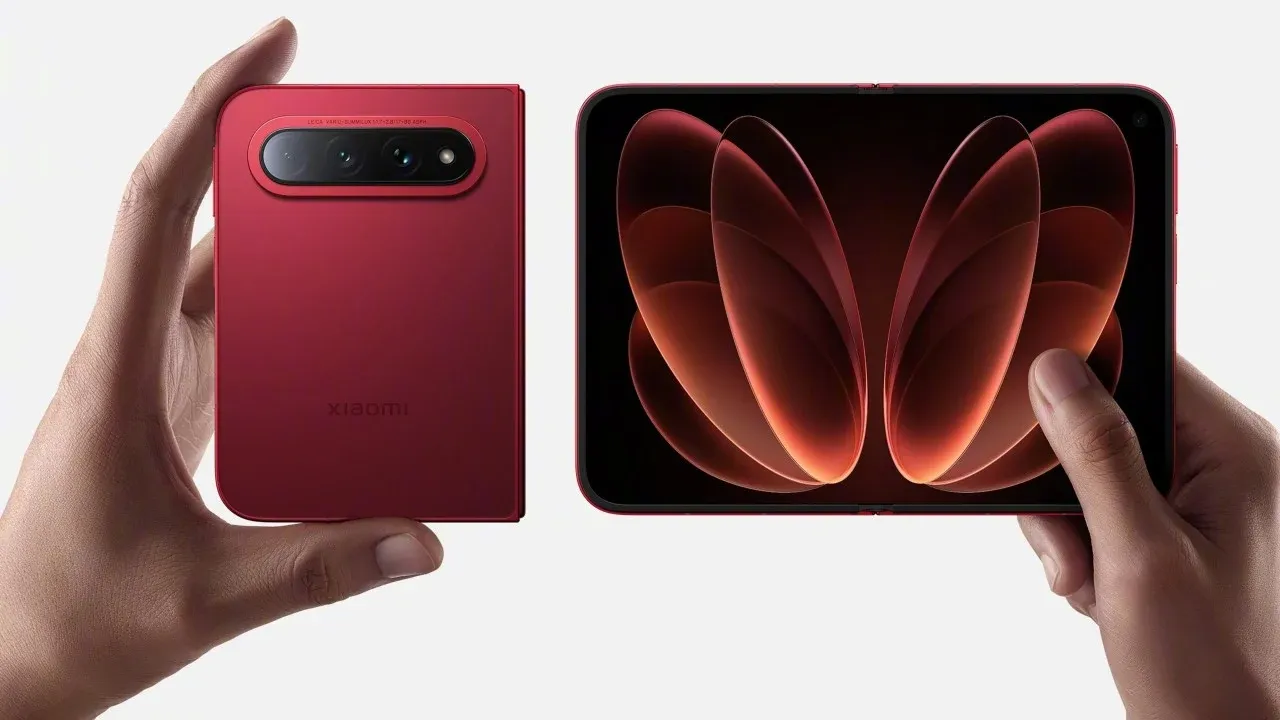
Xiaomi unveiled the 18 Fold, a foldable smartphone with a 7.58-inch inner display, its own Xring O3 chip, and LPDDR6 memory from China's CXMT, alongside new Skynomad SUV models. The move intensifies Xiaomi's competition with Apple and Huawei in premium devices while deepening China's semiconductor self-reliance push.
Xiaomi fired a fresh salvo in the premium-device wars on Monday, unveiling the 18 Fold, a foldable smartphone with a 7.58-inch inner display, a proprietary Xring O3 system-on-chip, and LPDDR6 memory supplied by China's ChangXin Memory Technologies (CXMT). The launch, paired with new models of its Skynomad SUV, signals a two-front push: taking on Apple and Huawei in high-end phones while challenging Tesla in electric vehicles. For a company long known for aggressive pricing, the message is clear - Xiaomi is no longer content to own the mid-range.
The 18 Fold's component choices are the real headline. By slotting in its own Xring O3 processor and CXMT memory, Xiaomi is reducing its dependence on foreign chipmakers at a time when Washington has tightened export controls on advanced semiconductors to China. CXMT is one of the few domestic players producing DRAM that can approach global standards, and its inclusion in a flagship foldable suggests Chinese supply chains are maturing faster than many outsiders expected. This is not just a product launch; it is a statement about technological sovereignty.
The foldable form factor itself is a battleground. Apple has yet to ship a foldable iPhone, leaving the segment to Samsung, Huawei, and a handful of Chinese challengers. Huawei's Mate X series has set a high bar, and Xiaomi's 18 Fold now enters that arena with a large inner display and a chip designed in-house. The timing matters: as smartphone sales plateau globally, foldables are one of the few categories still growing, and Xiaomi wants a slice of that premium margin.
On the automotive side, the new Skynomad SUV models extend Xiaomi's ambitious EV push. The company entered the car business just a few years ago, but it has moved quickly, leveraging its ecosystem of smart-home devices and a loyal fan base. Tesla remains the dominant force in China's EV market, but local rivals like BYD and Nio have eroded its lead. Xiaomi's strategy appears to be the same one it used in phones: offer compelling specs at a competitive price, then lock customers into a broader ecosystem.
This dual-pronged approach reflects a deeper strategic shift. Xiaomi is evolving from a low-margin hardware maker into a diversified tech giant, with revenue streams spanning phones, cars, and connected devices. The use of domestic chips and memory also aligns with Beijing's push for self-reliance in critical technologies, which could earn Xiaomi favorable treatment from regulators and state-backed supply chains. For investors, the bet is that Xiaomi can sustain growth by moving upmarket without losing its value-for-money identity.
But the road ahead is not smooth. The premium phone segment is brutally competitive, and Apple's brand loyalty remains formidable. Huawei, despite US sanctions, has staged a comeback with its own chips, making the high-end market even more crowded. In EVs, Xiaomi faces not only Tesla but also a price war among Chinese automakers that has squeezed margins across the industry. Execution will be everything - any misstep in quality or supply chain could undermine the premium positioning Xiaomi is trying to build.
For executives watching from the sidelines, Xiaomi's move offers a lesson in strategic resilience. By localizing key components, the company hedges against geopolitical shocks while differentiating its products. The 18 Fold and the Skynomad SUV are more than new SKUs; they are proof that a Chinese tech giant can compete at the top of the market without relying on Western chip designs. That is a shift with implications far beyond Xiaomi - it is a signal that the global tech supply chain is being redrawn, one launch at a time.
This story's Key Insights and Take-aways are locked.
Create a free account to unlock Executive Actions for one credit.
Register to UnlockAlways free for Executives Club members. Join the Club
More in Business
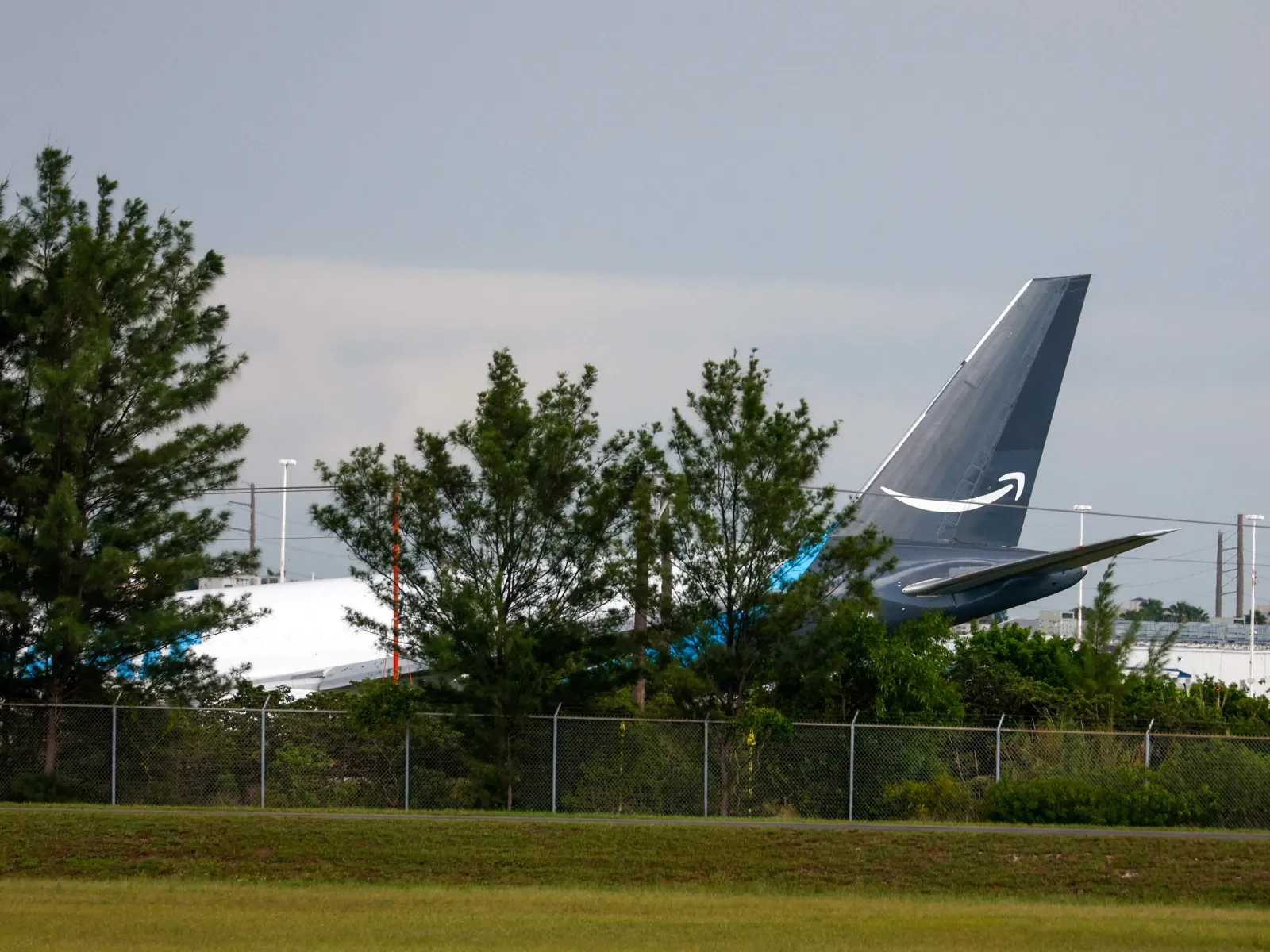
Amazon Prime Air 767 overshoots Miami runway, killing at least 5
The Boeing 767 freighter from San Juan struck vehicles and erupted in flames, prompting a ground stop and a fresh NTSB investigation into Amazon's air cargo network.

Death sentence for TV presenter Sarah Khalifa: Egypt's drug case hits media
The sentencing of Sarah Khalifa and 11 others underscores the severity of Egypt's anti-drug laws and the exposure of public figures to capital punishment.
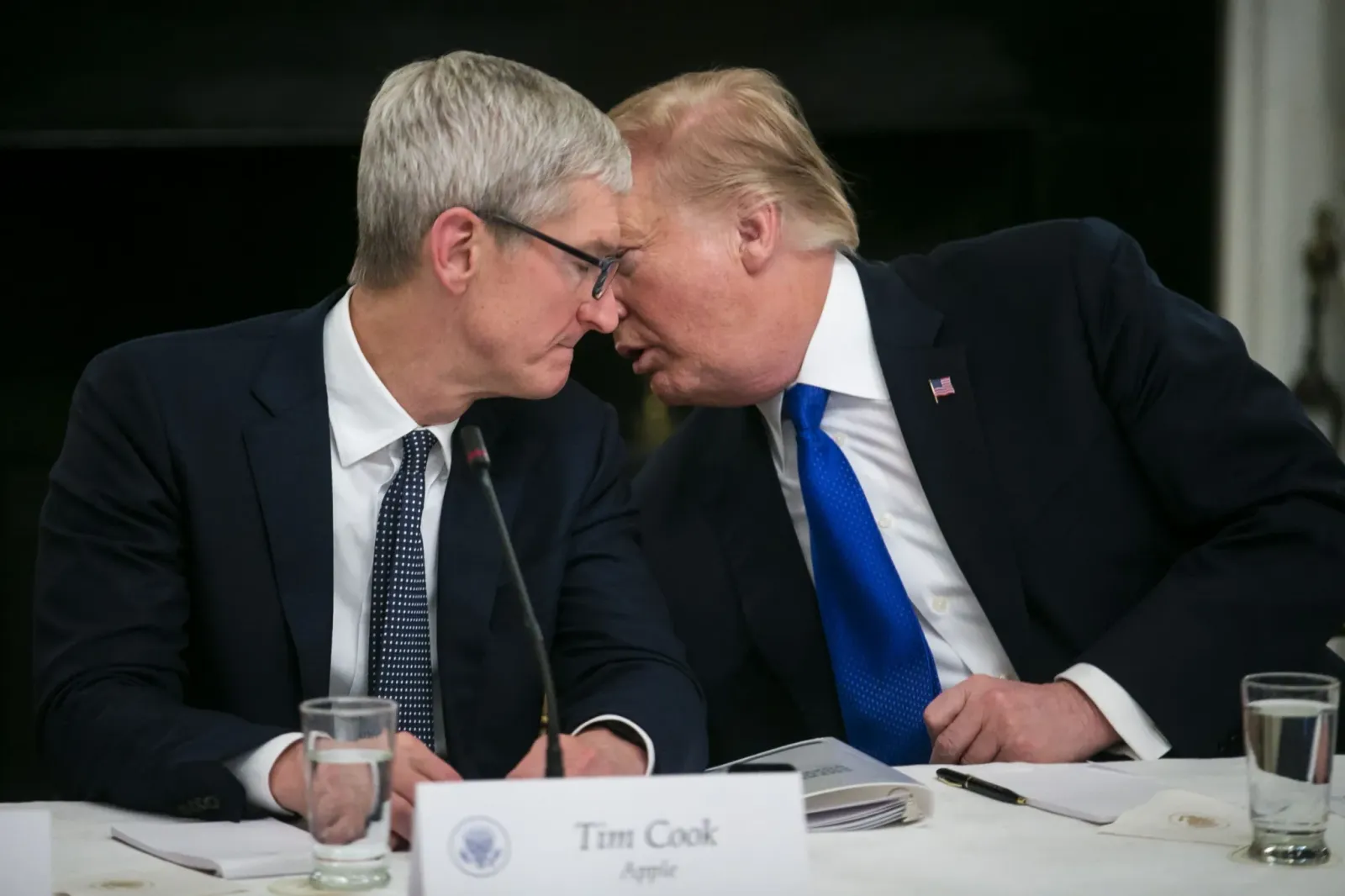
Tim Cook steps down as Apple CEO, stays on as chair with $45M equity
The 'Trump whisperer' keeps his White House and Beijing access as Apple navigates tariffs and a $4.6 trillion market cap.