

Yellow fever is reemerging, and climate change is pushing it toward US cities
Warmer temperatures and extreme weather are expanding the range of the mosquitoes that carry yellow fever, raising the odds of US outbreaks.
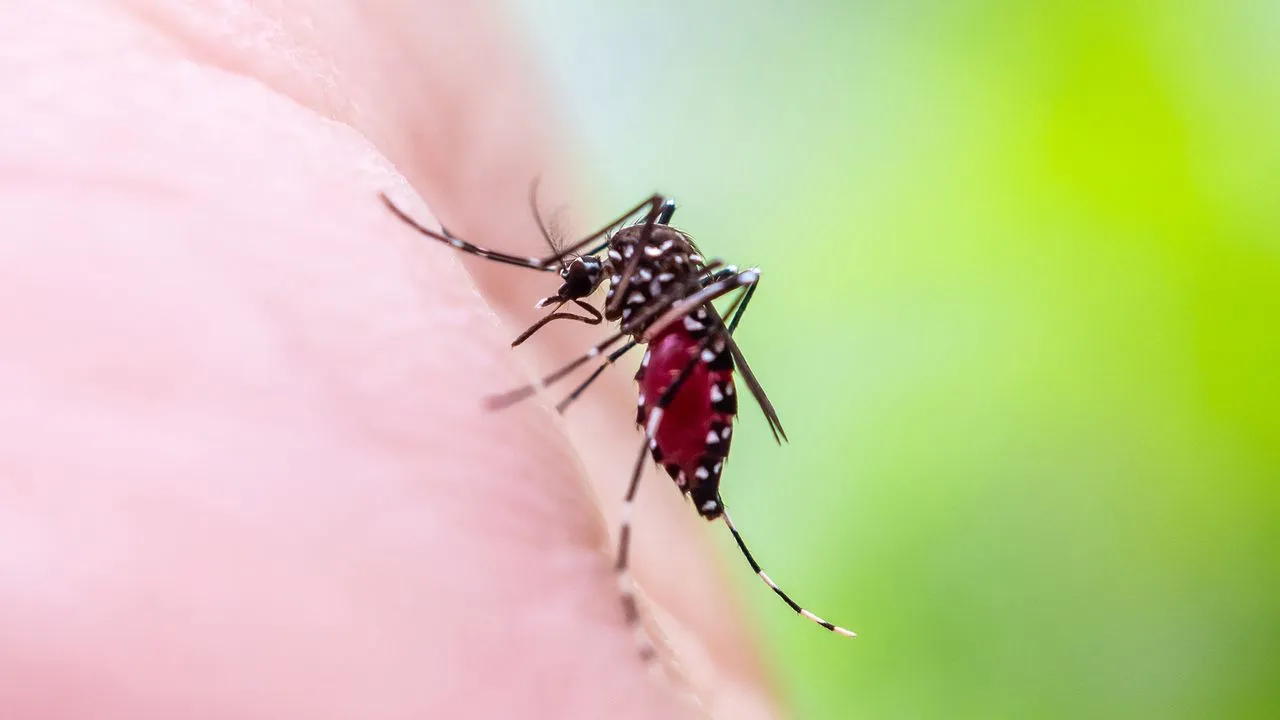
Infectious-disease researchers including Dr. Seth Judson of UCLA and Dr. Joelle Ivy Rosser of Stanford warn that climate change is driving yellow fever reemergence in unexpected regions. For decision-makers, the risk is that warming temperatures expand the habitat of Aedes aegypti mosquitoes, bringing the virus closer to US cities.
Yellow fever is back in places that had not seen it in decades, and climate change is the reason. In research released as a preprint, Dr. Seth Judson, an infectious-disease physician-scientist at UCLA, found the virus reemerging in a region of the Colombian Andes where it had not been reported since 1940. In 2017-2018, Brazil recorded its first yellow fever outbreak in a city in almost a century, hitting Belo Horizonte and São Paulo. The pattern is not random: warming temperatures and extreme weather are creating favorable conditions for the mosquitoes that carry the virus.
The mechanism is straightforward. Rising temperatures make mosquitoes bite more because heat speeds up their metabolisms, said Dr. Seth Judson. Warming also shortens the virus's extrinsic incubation period, the time it takes for the virus to replicate inside a newly infected mosquito before it can pass to another person. Dr. Joelle Ivy Rosser, an infectious-disease researcher at Stanford, put it bluntly: 'Yellow fever is a highly deadly disease, so any environmental pressures that increase the likelihood of future yellow fever virus outbreaks is highly concerning.'
Yellow fever has a long and brutal history. The virus ravaged cities across the Americas, Europe and Africa in the 17th to 19th centuries, until a vaccine arrived in 1937 and shrank its range. Today, an estimated 31,000 to 82,000 yellow fever deaths occur each year, and severe cases have a fatality rate of 20% to 50%. Most infections spill over from nonhuman primates: mosquitoes bite howler monkeys carrying the virus, then bite humans. In cities, the Aedes aegypti mosquito is the main vector, and high population density can turn outbreaks severe.
Climate change is amplifying the risk in multiple ways. Heavy rainfall creates breeding grounds for mosquitoes, but drought can be just as dangerous. In Brazil, the 2017-2018 outbreak was likely linked to drought, which pushed forest-based mosquitoes and virus carriers like marmosets and howler monkeys closer to cities as they searched for water. Drier conditions also prompt dehydrated mosquitoes to bite more as they seek fluids, said Jamie Caldwell, a disease ecologist at Princeton and study co-author. 'Extremes of weather in either direction can exacerbate mosquito-borne disease transmission,' Rosser said.
Deforestation is compounding the problem. 'Humans are expanding the agricultural frontier and encroaching on forests where yellow fever mosquitoes are found,' Gabriel Parra-Henao, a biologist with the World Health Organization, told Live Science. 'This results in more people being exposed to their bites.' Experts are watching the edges of cities, where urban centers meet forest, because the risk of transmission from monkeys to humans via mosquitoes is rising there. Similar patterns have appeared with other mosquito-borne infections, such as malaria.
The US is not immune. Aedes aegypti already lives in Florida, Mississippi, Arizona and New Mexico. Warming would increase the chances of mosquitoes surviving further north, including Philadelphia and New York, which suffered major yellow fever outbreaks in the past. One model predicts Aedes aegypti could spread as far north as Chicago by 2050. However, yellow fever cases are exceedingly rare in the US because the virus is not present in local mosquito populations. That is the result of a 20th-century US-led campaign that researched the virus, eradicated mosquito breeding grounds and vaccinated widely.
The reintroduction scenario would require travelers to bring the virus home from regions where it circulates, then local mosquitoes to bite them and pass it on. 'There needs to be significant numbers of infections and infections among travelers,' Judson said. 'But it's in the realm of possibility.' If the virus reestablished itself in local Aedes aegypti populations, Rosser said, 'that would be very concerning.' Yet the outcome may not be catastrophic. 'There's access to medicines and vaccines; we pipe water to our homes, so we don't have standing water around,' Caldwell said. 'So it is a concern, but it's never going to be the next COVID.'
For public health officials and business leaders, the lesson is to watch the edges. Diligent surveillance of yellow fever infections can help prepare, and forest conservation can limit contact among humans, wildlife and mosquitoes. Vaccine access remains the strongest defense, but climate change is redrawing the map of risk. The same forces that are bringing yellow fever back in Colombia and Brazil are quietly expanding the territory of the mosquitoes that could carry it to US cities. The question is no longer whether the map is changing, but how fast.
This story's Key Insights and Take-aways are locked.
Create a free account to unlock Executive Actions for one credit.
Register to UnlockAlways free for Executives Club members. Join the Club
More in Science

AI Agents Are Emailing Philosophers. The Replies Are Coming.
Researchers studying AI consciousness are getting unsolicited emails from the bots themselves, forcing a new kind of conversation.
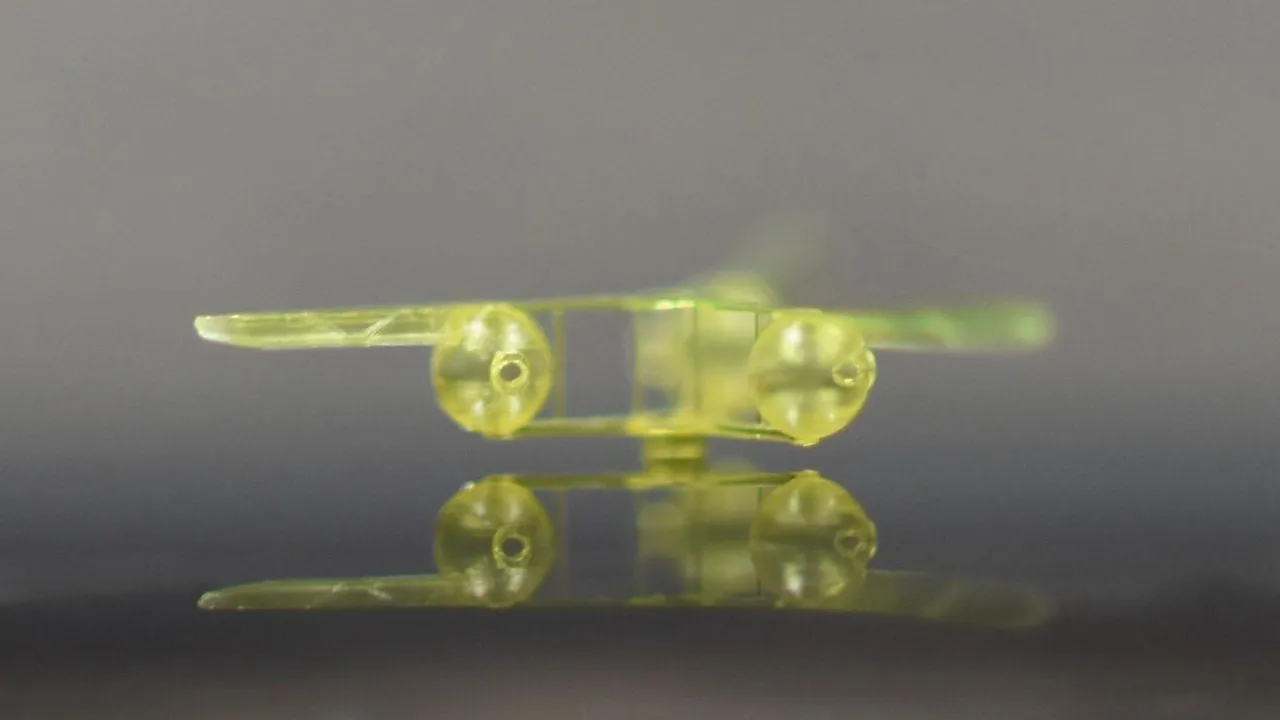
Sound Waves Alone Power Tiny Motorless Robots That Fly and Steer
EPFL engineers repurpose a 19th-century acoustic effect to create sound-powered micro-bots, opening new paths for wireless drug delivery and micro-manipulation.

NASA's Roman Telescope Launches Sunday, Aiming to Map Dark Energy
A new NASA observatory will probe the universe's accelerating expansion and hunt for exoplanets, with launch set for Sunday.